I remember sitting on the floor of my first studio apartment in San Francisco, surrounded by half-unpacked boxes and feeling like the walls were literally closing in on me. I had this tiny, cramped corner that was supposed to be my “home office,” but between my dual-monitor setup and a stack of woodworking supplies, it felt more like a storage closet. I spent hours scrolling through expensive interior design blogs, feeling totally defeated by advice that suggested I needed a massive budget or a complete renovation just to breathe. It’s incredibly frustrating how much the industry tries to convince you that you need to buy your way out of a tight space, when really, learning how to make a small room look bigger is more about smart hacks than expensive furniture.
I’m not here to sell you on some high-end designer lifestyle that isn’t realistic for most of us. Instead, I want to share the actual, no-nonsense strategies I’ve picked up from years of living in compact tech hubs and tinkering with DIY projects. We’re going to dive into practical ways to optimize your layout, use lighting to your advantage, and declutter without losing your personality. My goal is to give you actionable insights that you can implement this weekend to finally turn that cramped corner into a space that feels open, functional, and uniquely yours.
Table of Contents
Mastering the Light Color Palette for Rooms
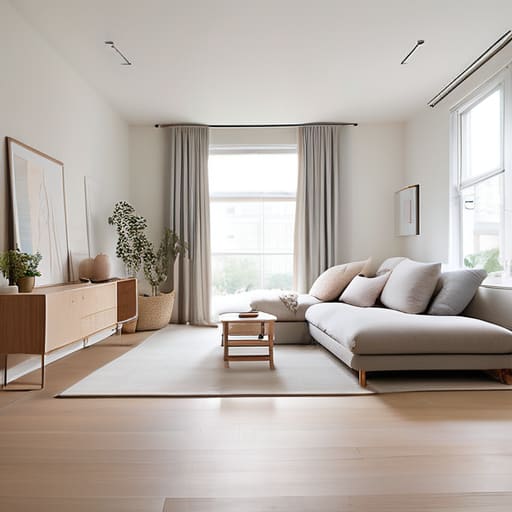
When I first moved into my tiny studio in San Francisco, I felt like the walls were literally closing in on me. My instinct was to go bold with some dark, moody accent walls, but I quickly learned that was a recipe for feeling trapped. Instead, I leaned heavily into a light color palette for rooms, opting for soft whites, pale greys, and muted pastels. These shades act like a canvas that reflects natural light rather than absorbing it, which instantly makes the boundaries of the room feel less rigid.
The trick isn’t just about picking one color and sticking to it, though. I love using different tones of the same hue to add depth without creating heavy visual breaks. If you keep your walls, trim, and even large pieces of furniture in a similar light family, you’re effectively minimizing visual clutter. This creates a seamless flow that tricks your brain into thinking the floor plan is much more expansive than it actually is. It’s a simple, low-cost way to breathe some much-needed air into a cramped layout.
Using Mirrors for Spatial Illusion
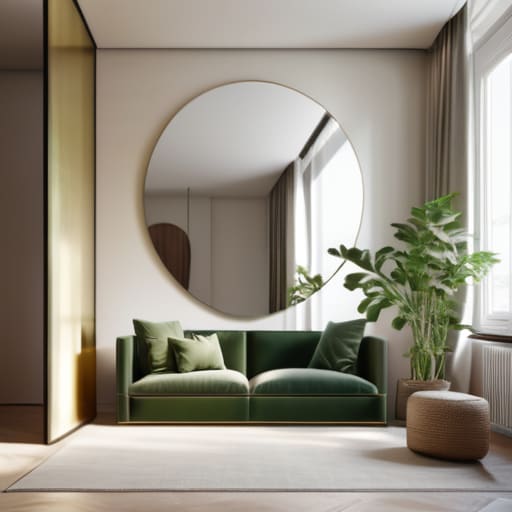
If you’ve already tackled your color palette, my next favorite trick is all about playing with perception. I’ve learned through a few failed apartment setups that mirrors for spatial illusion are basically a cheat code for tiny rooms. Instead of just hanging a small mirror in the bathroom, try placing a large, floor-length mirror opposite a window. This doesn’t just add depth; it bounces natural light throughout the entire space, making the walls feel like they’re pushing outward rather than closing in on you.
When you’re working on maximizing small space layout, think about placement strategically. I love using mirrored closet doors or even a gallery wall of smaller, vintage mirrors to create a sense of movement. It breaks up the visual weight of the room and stops it from feeling like a single, cramped box. Just a quick tip from my woodworking days: make sure the frame isn’t too chunky or heavy, or you might actually end up making the room feel more crowded. Keep it sleek, keep it bright, and let the reflection do the heavy lifting for you!
Five More Ways to Cheat the Eye and Gain Some Breathing Room
- Go vertical with your storage. Instead of cluttering up your floor with bulky bookshelves, I love using floating shelves that reach up toward the ceiling. It draws the eye upward and makes the walls feel much taller than they actually are.
- Clear the floor space. This sounds simple, but it’s a game-changer. Choosing furniture with slim, exposed legs—think Mid-Century Modern style—allows you to see more of the floor, which tricks your brain into thinking the room is much more open.
- Use “smart” zones with rugs. Don’t try to cover the whole floor with one giant, heavy rug. Instead, use smaller, defined area rugs to create specific “zones” for working or lounging. It breaks up the visual weight and makes the layout feel intentional rather than cramped.
- Let the natural light flow. I know it’s tempting to hang heavy, blackout curtains for privacy, but in a small space, they’re the enemy. Opt for sheer fabrics or light linen that lets the sunlight filter in; it keeps the energy bright and airy.
- Declutter your tech and surfaces. As someone who lives and breathes code, I know how quickly cables and gadgets can make a desk look like a mess. Use cable management sleeves and dedicated docking stations to keep your workspace clean—a tidy surface always makes a room feel more expansive.
Quick Wins for Your Small Space
Don’t underestimate the power of a light color palette; sticking to airy, neutral tones can instantly trick the eye into seeing more breathing room.
Use mirrors strategically to bounce light around and create the illusion of depth, making even the tightest corners feel a bit more open.
It’s all about intentionality—whether you’re rearranging tech setups or DIYing some new storage, every piece should serve a purpose to keep the clutter at bay.
## The Mindset Shift
“Making a small space feel bigger isn’t about finding more square footage—it’s about being intentional with what you already have. Whether you’re optimizing your desk setup for better workflow or picking the right paint, it’s all about clearing the visual clutter so your room can actually breathe.”
Sarah Mitchell
Making Your Space Work for You
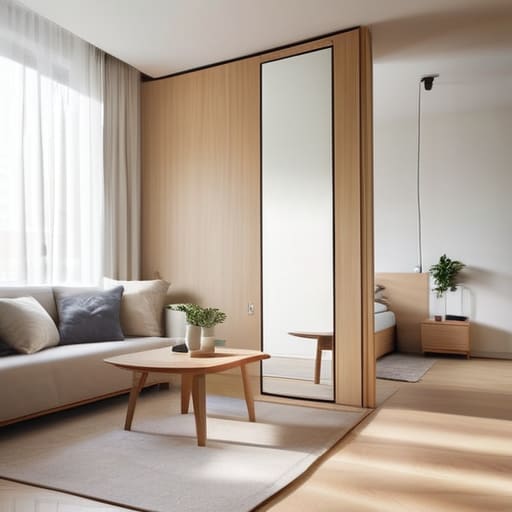
At the end of the day, making a small room feel expansive isn’t about having a massive budget or a professional interior designer on speed dial; it’s about being intentional with what you already have. We’ve talked about how a light, airy color palette can stop your walls from feeling like they’re closing in, and how strategically placing mirrors can essentially trick the eye into seeing extra depth. Whether you’re rearranging your tech setup to clear up desk space or upcycling an old piece of furniture to fit a tighter corner, every little change counts. It’s all about maximizing every square inch without letting the clutter take over your peace of mind.
I know that staring at a cramped apartment or a tiny home office can feel a bit overwhelming sometimes, especially when you’re trying to balance a growing tech collection with a functional living space. But honestly? Don’t feel like you have to do everything at once. Start with one small DIY project or just one new layout change this weekend. You’ll be surprised at how much a little bit of creativity can transform your entire mood. Remember, your space should be a launchpad for your best ideas, not a cage that holds you back. You’ve got this!
Frequently Asked Questions
How do I balance my tech setup and monitors without making a small desk area feel cluttered and cramped?
I totally feel your pain—trying to fit a dual-monitor setup on a tiny desk can quickly turn into a cable nightmare. My go-to move? Get those monitors off the desk surface using a sturdy monitor arm. It instantly clears up precious real estate for your keyboard and notebook. Pair that with some clever cable management sleeves to hide the “spaghetti,” and your workspace will feel way more organized and much less overwhelming.
Can I use rugs to define different zones in a tiny room, or will that just make the floor look even smaller?
That is such a great question! I actually wrestled with this exact dilemma when I was setting up my tiny home office nook. Here’s the deal: if you go with a tiny, postage-stamp-sized rug, it’ll definitely chop up your floor and make the room feel cluttered. But, if you choose a larger rug that anchors your furniture, it actually creates “zones” that make the space feel intentional and organized rather than cramped. Go big or go home!
What are some smart ways to incorporate DIY shelving that adds storage without eating up all my precious floor space?
When you’re tight on floor space, stop looking down and start looking up! I’m a huge fan of floating shelves—they give you that extra storage for books or tech gear without the bulky footprint of a traditional bookcase. If you’re feeling adventurous, try some reclaimed wood brackets for a DIY upcycled look. You can even install them high up near the ceiling to draw the eye upward, making the whole room feel way loftier.