I was elbow-deep in sawdust from a mid-century dresser I was upcycling last weekend when I realized my workshop was such a disaster I couldn’t even find my favorite chisel. It hit me then: we spend so much time obsessing over the “perfect” aesthetic or buying every single specialized gadget on the market, but most of that stuff is just noise. If you’re looking for a way to learn how to clean faster by following a twenty-step ritual involving expensive essential oils and artisanal mops, you’re going to be disappointed. I don’t have time for fluff, and frankly, neither do you.
Instead, I want to show you how to approach your chores like a software engineer—by optimizing your workflow and eliminating redundant steps. I’m not going to give you a list of magic products; I’m going to share the systematic hacks and practical DIY shortcuts I use to keep my life running smoothly without losing my entire Saturday to a vacuum. We’re going to focus on efficiency over perfection so you can get back to the things you actually love doing.
Table of Contents
Building an Efficient Cleaning Routine for Busy Lives

When I was working those long hours in Silicon Valley, I realized that my house was falling into chaos because I was treating cleaning like a massive, once-a-week project rather than a series of small, manageable tasks. To fix this, I started treating my home like a codebase—I needed to optimize the processes to reduce technical debt (or in this case, dust and clutter). The secret isn’t about working harder; it’s about developing an efficient cleaning routine that integrates into your natural flow. I’m a big believer in the “touch it once” rule. If you pick something up, put it where it actually belongs instead of setting it down on a temporary surface.
Another thing that changed the game for me was prioritizing decluttering for speed. It is incredibly frustrating to try and wipe down a countertop only to spend ten minutes moving mail, keys, and random gadgets out of the way first. By keeping your surfaces clear, you’re essentially removing the friction from your workflow. Think of it as setting up your environment for success; when the physical obstacles are gone, the actual cleaning becomes a breeze.
Leveraging the Right Cleaning Supplies for Maximum Efficiency
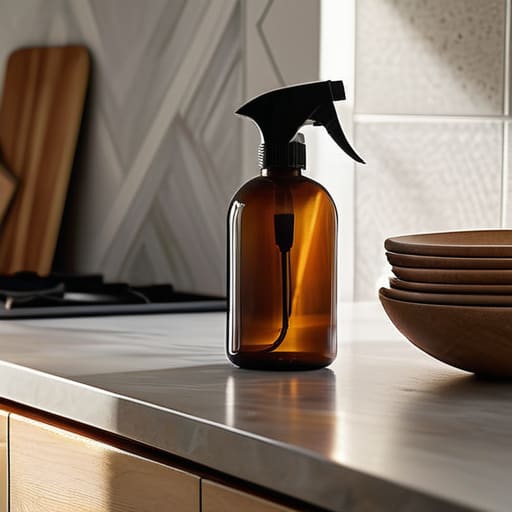
Honestly, I used to think that having a cabinet overflowing with specialized sprays for every single surface was the way to go. But after years of navigating high-pressure sprints in Silicon Valley, I learned that complexity is usually the enemy of progress. If you want to streamline your workflow, you need to focus on cleaning supplies for efficiency rather than quantity. I’ve found that a few high-quality, multi-purpose concentrates—like a solid pH-neutral cleaner or a reliable microfiber system—can do about 90% of the heavy lifting. When you aren’t hunting through a cluttered cupboard for that one specific glass cleaner, you’re already winning back precious minutes.
I also swear by the “kit” approach. Instead of running back and forth to the laundry room, I keep a small, portable caddy stocked with my essentials. It’s one of those simple cleaning hacks for busy people that makes a massive difference in momentum. Having your tools right there with you prevents those micro-distractions that turn a quick tidy-up into an hour-long ordeal. Think of it like setting up your IDE before you start coding; when your environment is optimized, the actual work becomes much more fluid.
My Go-To Hacks for Cutting Down Cleaning Time
- Use the “top-down” method to avoid double work. I used to clean my counters and then realize I’d just knocked dust from the shelves right back onto them. Start at the highest point in the room and work your way down so gravity does the heavy lifting for you.
- Batch your tasks like you’re running a script. Instead of running back and forth to the utility closet, grab a caddy with all your essentials or do all the dusting in the house at once. It keeps you in the “flow state” and stops you from wasting time walking between rooms.
- Set a timer and gamify the process. If I’m feeling unmotivated, I’ll set a 15-minute timer on my phone and see how much of the living room I can tackle before it dings. It turns a daunting chore into a quick sprint, which is much easier on my brain.
- Embrace the “one-touch” rule. When you pick something up, don’t just move it to another temporary spot; put it exactly where it belongs. It feels like extra effort in the moment, but it prevents that dreaded cycle of constant tidying that eats up your evenings.
- Let technology do the grunt work. I’m a huge advocate for robot vacuums—even a budget-friendly one. Setting it to run while I’m at my desk or out for a walk means the floors are already halfway done by the time I actually sit down to deep clean.
Quick Wins to Keep Your Momentum Going
Stop the “all-or-nothing” mindset; even a ten-minute micro-cleaning session using a focused checklist can prevent clutter from snowballing into a weekend-long ordeal.
Treat your cleaning tools like a developer treats their stack—invest in high-quality, reliable gear that actually works so you aren’t wasting time fighting with subpar equipment.
Automate the boring stuff whenever possible, whether that’s scheduling a robot vacuum or setting recurring reminders on your phone, to keep your home running on autopilot.
## The Mindset Shift
“Cleaning isn’t about spending your entire Saturday scrubbing baseboards; it’s about building a smarter system so you can spend less time managing your space and more time actually living in it.”
Sarah Mitchell
Making It Stick
At the end of the day, cleaning faster isn’t about working harder or spending more time on your feet; it’s about optimizing your system. We’ve talked about everything from building a sustainable routine that actually fits into your hectic schedule to investing in the right tools so you aren’t fighting against your equipment. Whether you’re applying a bit of software engineer logic to your housework or just grabbing a better microfiber cloth, the goal is to minimize friction. When you treat your chores like a series of small, manageable processes rather than one giant, overwhelming mountain, you’ll find that the time you save is incredibly precious.
I know that on a Tuesday evening when you’re exhausted, the last thing you want to do is think about “workflow optimization.” But I promise you, the effort you put into setting these systems up now will pay dividends in your future free time. Don’t feel like you have to overhaul your entire life overnight—just pick one small hack or one new tool and see how it feels. You deserve to have a home that feels calm and organized without it consuming your entire weekend. So, grab your notebook, jot down a quick plan, and go reclaim your time. You’ve totally got this!
Frequently Asked Questions
Are there specific smart home gadgets or robot vacuums that actually live up to the hype for daily maintenance?
Honestly, I used to be a total skeptic about robot vacuums, but a good LiDAR-based model is a total game-changer for daily maintenance. If you can swing it, look for something with “object avoidance”—it prevents the dreaded “stuck on a rogue sock” scenario. For me, the real win is scheduling them to run while I’m at work. It’s not about a spotless house, but it keeps the dust at bay so I’m not constantly cleaning.
How do I stop myself from getting distracted by deep-cleaning projects when I'm actually just trying to do a quick tidy-up?
Oh, I have been there! I’ll start a “quick” kitchen tidy and suddenly I’m halfway through refinishing an old spice rack. To stop the rabbit hole, I use a “timer and task” system. Set a strict 15-minute timer on your phone and commit to only surface-level cleaning. If you spot something that needs deep attention, don’t touch it—just jot it down in your notebook for a dedicated DIY session later. Stay focused on the mission!
Can you recommend a "tech stack" of cleaning tools that works well for someone living in a smaller apartment?
Since you’re working with limited square footage, think of your cleaning “tech stack” like a streamlined codebase: you want high impact with minimal overhead. I’d skip the bulky upright vacuum and go for a cordless stick vacuum—it’s much easier to maneuver around tight corners. Pair that with a high-quality handheld steamer for upholstery and quick sanitizing, and a robot vacuum for those “set it and forget it” daily maintenance tasks. It’s all about optimizing for space and speed.