I was in my workshop last weekend, surrounded by half-finished upcycling projects and a mountain of tangled charging cables, when I realized I’d fallen into the same trap I see so often in tech: I was trying to manage chaos with more stuff. We’ve all been told that the secret to a tidy home is buying a set of expensive, aesthetic acrylic bins or a high-end filing system, but let’s be real—that’s just organized clutter. If you’re looking for a magic pill that involves a massive credit card bill, you’re in the wrong place. I’ve spent years learning how to reduce clutter for good by applying the same logic I use when refactoring messy code: you don’t just move the mess around, you have to actually delete the junk at the source.
In this post, I’m stripping away the Pinterest-perfect illusions and giving you the actual, gritty framework I use to keep my life and workspace streamlined. We’re going to talk about combining smart digital tools with some simple, low-tech DIY habits to build a system that actually sticks. No fluff, no expensive gadgets you don’t need—just practical, actionable strategies to help you reclaim your space and your sanity.
Table of Contents
- Understanding the Decluttering Psychology Behind the Mess
- Essential Decluttering Techniques for Beginners to Build Confidence
- My Go-To Systems for Keeping the Chaos at Bay
- Quick Wins to Keep the Chaos at Bay
- My Philosophy on Space
- Making It Stick: Your Path to a Clearer Space
- Frequently Asked Questions
Understanding the Decluttering Psychology Behind the Mess

Before we dive into the “how-to,” we need to talk about why your junk drawer seems to have a mind of its own. Honestly, I’ve spent many late nights in my workshop staring at a pile of scrap wood, realizing that the mess wasn’t just physical—it was mental. There’s a real science to this, often called decluttering psychology, where our brains equate physical chaos with cognitive load. When your desk is covered in old cables and half-finished projects, your brain is constantly processing that visual noise, which drains your focus before you even start your first line of code.
Most people think they just need better bins, but the real battle is with our decision-making fatigue. We hold onto things because of “just in case” anxiety or a sentimental attachment to items that no longer serve us. To truly make a change, you have to shift your mindset from getting rid of stuff to curating your space. Once you understand that your environment is an extension of your mental state, you can start building minimalist lifestyle habits that actually stick, rather than just playing a temporary game of whack-a-mole with your belongings.
Essential Decluttering Techniques for Beginners to Build Confidence
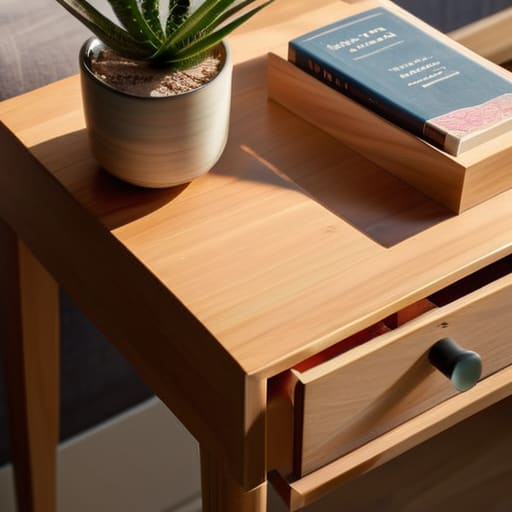
If you’re feeling overwhelmed, the best thing you can do is stop trying to tackle the whole house at once. I used to think I had to spend an entire weekend gutting my closet to see progress, but that’s a one-way ticket to burnout. Instead, try decluttering room by room to keep your momentum high. Start with a small, low-stakes area—like a single junk drawer or your bedside table. These quick wins act like a “proof of concept” for your brain, proving that you actually can make a dent in the mess without losing your mind in the process.
Once you’ve found your rhythm, I recommend implementing a few specific decluttering techniques for beginners, like the “one-in, one-out” rule. Every time you bring a new gadget or a piece of clothing into your space, something old has to go. It’s a simple way to build minimalist lifestyle habits that actually stick. Think of it like optimizing a codebase: you’re constantly refactoring your environment to remove the “bloat” so that your daily life runs much smoother and more efficiently.
My Go-To Systems for Keeping the Chaos at Bay
- Treat your belongings like code: if a piece of “hardware” or a gadget hasn’t been used in a year, it’s probably dead weight—archive it (donate it) to free up your system resources.
- Implement a “one-in, one-out” rule to prevent creep; every time you bring a new plant, book, or piece of tech into your home, something old has to find a new home elsewhere.
- Leverage smart organization tools, like label makers or even just a simple digital inventory app, so you actually know where your stuff lives instead of just piling it into “junk drawers.”
- Set up “landing zones” near your entryway for keys, mail, and bags to stop the immediate trickle-down effect of clutter hitting your dining table or desk.
- Schedule a monthly “maintenance sprint”—just thirty minutes of quick sorting—to catch the small messes before they escalate into a full-blown weekend-ruining project.
Quick Wins to Keep the Chaos at Bay
Don’t just toss stuff; build a system. Whether it’s a simple labeling kit or a smart storage solution, use a bit of tech or DIY organization to give every item a “home” so it doesn’t end up back on the floor.
Think like an engineer and optimize your workflow. Treat your decluttering like a debugging process—identify the recurring “bugs” (like that one junk drawer that never stays clean) and fix the root cause rather than just tidying the surface.
Progress over perfection is your best friend. You don’t need to overhaul your entire house in a weekend; just aim for small, consistent wins that build your confidence and keep the momentum going.
My Philosophy on Space
“Decluttering isn’t just about tossing old junk into a bin; it’s about building a better operating system for your life—one where your physical space actually supports your goals instead of draining your battery.”
Sarah Mitchell
Making It Stick: Your Path to a Clearer Space

At the end of the day, getting rid of clutter isn’t just about tossing old cables or clearing off a desk; it’s about understanding the psychology of your space and applying the right systems to keep it that way. We’ve talked about breaking down the mental barriers that make us hold onto things we don’t need, and we’ve walked through those foundational techniques to help you build some real momentum. Remember, the goal isn’t perfection on day one—it’s about implementing small, repeatable habits and using whatever smart tools or DIY organizers help you maintain control over your environment rather than letting it control you.
I know that starting this process can feel overwhelming, especially when you’re staring at a mountain of stuff, but I promise you that the clarity on the other side is worth every bit of effort. Think of your home like a piece of code or a woodworking project: it requires regular maintenance and a bit of intentional design to function at its best. Don’t be afraid to iterate and adjust your systems as you go. You have the tools, the mindset, and the capability to create a space that actually fuels your productivity and peace of mind. Now, grab that notebook of yours, pick one small corner, and just start. You’ve got this!
Frequently Asked Questions
I've tried decluttering before but always end up back at square one—how do I actually make these changes stick long-term?
I totally get it—I’ve been there, staring at a pile of “projects” in my workshop that I just couldn’t commit to. The secret isn’t more willpower; it’s about building better systems. Think of it like code: if your logic is flawed, the bug will keep coming back. Instead of a massive purge, try implementing a “one-in, one-out” rule and use smart home tools to automate your organization. Build habits, not just clean rooms.
Is there a way to use smart home tech or simple digital tools to help me keep track of my stuff so it doesn't pile up again?
Honestly, this is where my tech brain meets my DIY side! I’m a huge fan of using digital “inventory” systems. You don’t need anything fancy—just a simple app like Notion or even a shared Google Sheet to log things you rarely use (like seasonal gear). For more hands-on folks, I love using QR code stickers on storage bins; scan them with your phone to see exactly what’s inside without digging through a mountain of boxes!
How do I decide what to keep when I'm dealing with sentimental items that don't necessarily serve a practical purpose?
This is the toughest part of the process, hands down. When it’s not about utility, you have to pivot your mindset from “what is this?” to “what does this represent?” I like to use the “Digital Archive” hack: if an item is just a vessel for a memory, take a high-quality photo of it. You get to keep the sentiment without the physical footprint. If you must keep the real thing, pick your “top tier” items and let the rest go.