I still remember the first time I tried to tackle a weekend project in my tiny first apartment; I had spent way too much money on fancy, specialized gadgets that ended up gathering dust in a drawer while my actual problem went unaddressed. There is this massive, expensive myth that seasonal home maintenance requires a professional crew or a garage full of high-tech equipment to be done right. Honestly, it’s exhausting how much the industry tries to make simple upkeep feel like a complex engineering feat just to get you to open your wallet.
I’m not here to sell you on some overpriced subscription service or a complicated checklist that takes all weekend to complete. Instead, I want to share the practical, no-nonsense approach I’ve picked up from years of tinkering in my own workshop and navigating the tech-heavy world of smart home integration. I’m going to walk you through how to use a few basic tools and some smart tech to stay ahead of the curve without breaking the bank. My goal is to help you master your space with confidence, one season at a time.
Table of Contents
Preventative Home Care Tips for a Tech Forward Living Space
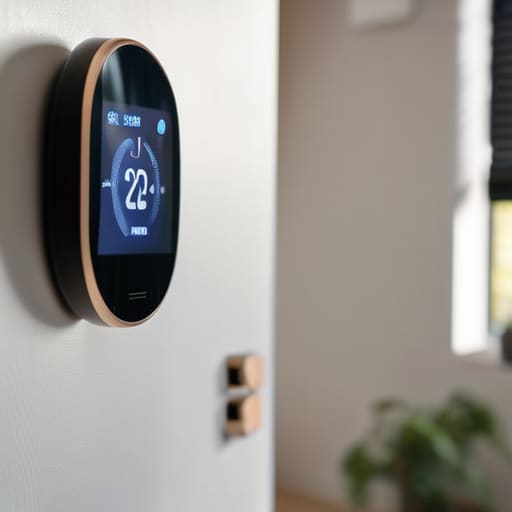
Since I spend so much time behind a screen, I’ve realized that my home is essentially the “hardware” that supports my entire life. Just like you wouldn’t run a high-end software build on a laptop with a dying battery, you shouldn’t let your living space fall into disrepair. One of my favorite preventative home care tips is to treat your smart home devices like a mini ecosystem. I always make it a point to do a quick sweep of my sensors and smart thermostats every few months. It’s not just about convenience; it’s about ensuring your automation doesn’t fail right when you need it most.
Beyond the gadgets, don’t forget the heavy lifting. I’ve learned the hard way that a quick HVAC system seasonal checkup can save you a massive headache (and a huge repair bill) later on. I usually set a recurring calendar invite for this—think of it like a scheduled system update for your house. While I’m at it, I like to grab my notebook and jot down any small cracks or leaks I notice during a walkthrough. Taking these small, proactive steps keeps everything running smoothly so you can focus on the fun stuff, like your next DIY project.
Level Up Your Annual Property Inspection Routine
Think of your annual property inspection like a code review for your house. Just like I wouldn’t push a major update to a production environment without checking for bugs first, you shouldn’t wait for a pipe to burst or an AC unit to die before looking under the hood. I like to set a recurring calendar invite for myself every six months to walk the perimeter of my place. This isn’t about deep-cleaning; it’s about spotting the small glitches before they turn into expensive, system-wide failures.
When I’m doing my walkthrough, I focus on the high-impact areas. If I’m heading into the colder months, my priority shifts toward winterizing your home—checking for drafts around windows or making sure the outdoor spigots are shut off. On the flip side, during the warmer months, I’m looking at the roof and gutters to prep for the next big storm. It might feel a bit tedious at first, but honestly, once you build a consistent routine, it becomes second nature. It’s all about being proactive rather than reactive, which is a mindset that serves you just as well in your career as it does in your living room.
My Go-To Seasonal Checklist for a Stress-Free Home
- Get ahead of the weather by cleaning out your gutters and checking your drainage. I’ve learned the hard way that letting debris build up is a recipe for foundation headaches, so I always make this a priority before the heavy rains hit.
- Give your HVAC system some love. Swapping out your air filters every few months isn’t just about air quality; it’s a simple way to keep your system running efficiently and save a chunk of change on your energy bills.
- Do a quick sweep of your outdoor tech. Whether it’s checking the seals on your smart doorbell or making sure your outdoor security cameras aren’t getting obscured by overgrown branches, a little seasonal pruning goes a long way.
- Inspect your windows and doors for any drafts. If you feel a chill, it’s time to grab some weatherstripping from the hardware store. It’s a super easy DIY fix that keeps your home cozy and your heating costs down.
- Test your smoke and carbon monoxide detectors. It sounds basic, but it’s one of those things that’s easy to overlook. I always set a recurring reminder in my digital calendar to do this at the start of every season—better safe than sorry!
Quick Wins for Your Seasonal Maintenance Toolkit
Don’t wait for something to break—set up automated reminders on your phone or smart calendar to tackle these small tasks before they turn into expensive headaches.
Think of maintenance as a skill upgrade; every time you fix a leak or update a smart device, you’re building the confidence to handle bigger DIY projects down the road.
Keep a digital log of what you’ve done; jotting down your maintenance history in a simple spreadsheet or note-taking app makes property management way less stressful next year.
## The Mindset Shift
“Think of seasonal maintenance less like a daunting chore list and more like a system update for your home; a little bit of proactive debugging now saves you from a total system crash when things get messy later.”
Sarah Mitchell
Wrapping It All Up

At the end of the day, mastering your seasonal home maintenance isn’t about checking off a never-ending list of chores; it’s about building a smarter, more resilient environment. By integrating a bit of smart tech into your preventative care and staying disciplined with your annual inspections, you’re essentially debugging your living space before a major error occurs. Whether you’re updating your smart thermostat for the winter or checking your gutters to avoid a messy spring, these small, intentional actions pay off massively in the long run. Taking control of your home’s systems through a mix of practical DIY and clever technology ensures that your space works for you, rather than the other way around.
I know that looking at a long list of maintenance tasks can feel a little overwhelming, especially when you have a busy career or a million other projects on your plate. But remember, you don’t have to do everything at once. Just like learning a new programming language or tackling a complex woodworking project, the secret is to start small and stay consistent. Every little bit of effort you put into learning these skills and maintaining your home is an investment in your own peace of mind. So, grab your notebook, pick one small task to tackle this weekend, and embrace the process of building a better life, one project at a time.
Frequently Asked Questions
Which smart home sensors are actually worth the investment for monitoring things like leaks or temperature changes during a season shift?
Honestly, don’t go overboard with every gadget on the market. If you’re looking for real ROI, prioritize smart water leak sensors—tucking them under sinks or near the water heater can save you a massive headache (and a fortune) from unexpected flooding. I also swear by smart temperature sensors for different rooms; they’re game-changers for optimizing your HVAC and keeping those seasonal drafts in check without wasting energy. Stick to the essentials first!
I'm a total beginner at DIY—how do I know if a maintenance task is something I can tackle myself or if I should definitely call in a professional?
Honestly, I get this anxiety—I really do. When I first started upcycling furniture, I definitely overstepped a few times! My rule of thumb is the “Complexity vs. Risk” test. If it’s low-risk, like changing a furnace filter or tightening a loose cabinet handle, go for it! But if it involves high-voltage electricity, gas lines, or structural integrity, please call a pro. It’s better to pay for expertise than to turn a quick fix into a massive, expensive headache.
How can I use basic automation or apps to help me keep track of all these different seasonal tasks without feeling overwhelmed?
Honestly, I used to get so overwhelmed by the sheer number of tasks that I’d just freeze up. Now, I treat my home maintenance like a sprint cycle. I use Notion to build a simple recurring task database, or even just Google Calendar with specific “Home Maintenance” alerts. If you want something more hands-off, apps like Todoist are lifesavers for setting up repeating seasonal reminders. It turns a mountain of chores into manageable, bite-sized tickets.