I was sitting at my workbench last weekend, sanding down an old mid-century dresser, when I realized how much my brain craves that extra bit of creative momentum outside of my 9-to-5. Between the constant grind of software engineering and the rising cost of living, it feels like we’re all searching for a way to reclaim some financial breathing room. I talk to so many talented people in my career coaching sessions who feel stuck, wondering if they should just settle for their current paycheck or if there’s a way to actually leverage their unique skills for something more. Finding the right side hustle ideas isn’t just about the extra cash—it’s about finding that sweet spot where your expertise meets a real-world need.
In this post, I’m moving past the generic, low-effort suggestions you see everywhere else and diving into five high-impact paths that actually make sense in today’s digital economy. I’ve curated these specifically to help you bridge the gap between your current professional life and a more profitable, flexible future. Whether you want to lean into your technical background or explore something completely different from your day job, these ideas will give you a concrete roadmap to start building something of your own.
Table of Contents
- Freelance Web Development for Local Businesses
- Technical Writing and Documentation
- Custom Smart Home Installation
- Data Cleanup and Organization Services
- Upcycled Tech and Furniture Refurbishing
- Final Thoughts: Making the Leap
- My Take on the Side Hustle Grind
- Ready to Get Started?
- Frequently Asked Questions
Freelance Web Development for Local Businesses

One of the most rewarding ways to use your technical skills is to help the small businesses in your community. I see so many local shops—the florist down the street or that amazing little cafe—struggling with outdated websites that don’t work well on mobile. If you have even a basic grasp of HTML, CSS, or a platform like Webflow, you can offer to modernize their digital presence. It’s not just about writing code; it’s about helping them connect with their customers in a way that feels seamless.
Technical Writing and Documentation
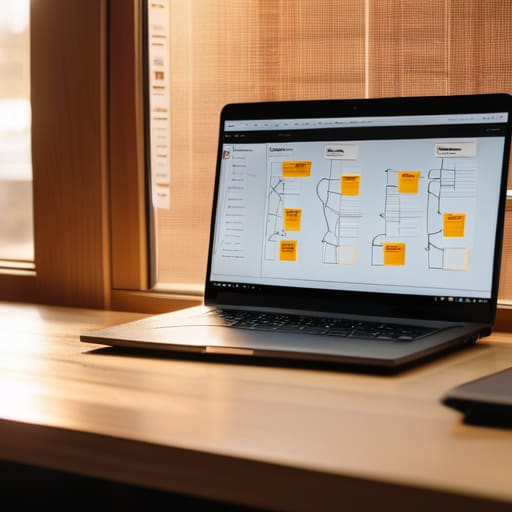
If you’re the type of person who actually enjoys reading through documentation to figure out how a new API works, you have a superpower. There is a massive demand for people who can take complex, jargon-heavy technical concepts and translate them into clear, readable guides. Companies are constantly looking for freelancers to write tutorials, blog posts, or even internal documentation that their non-technical team members can actually understand.
Custom Smart Home Installation
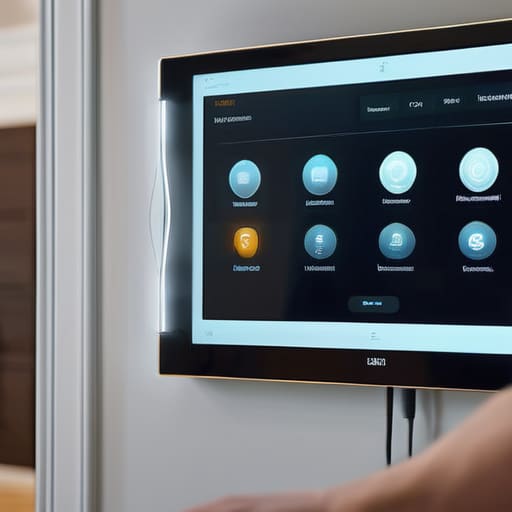
This is where my love for DIY and tech really intersects. More people than ever are looking to automate their homes, but they often feel overwhelmed by the sheer variety of ecosystems like Home Assistant, Google Home, or Apple HomeKit. If you’re comfortable tinkering with hardware and setting up networks, you can offer a service to design and install custom smart home setups that actually work together without constant glitches.
Data Cleanup and Organization Services
We are living in an era of data overload, and for many small business owners, their digital filing systems are an absolute mess. They might have customer lists scattered across three different spreadsheets or a messy CRM that’s doing more harm than good. If you have a knack for organization and a decent handle on tools like Excel, Airtable, or SQL, you can offer specialized data management services.
Upcycled Tech and Furniture Refurbishing
Sometimes, the best way to step away from the screen is to get your hands dirty with something physical. I’ve spent many weekends in my garage taking old, beat-up mid-century modern pieces and giving them a new lease on life. You can take this a step further by combining it with tech—think about building custom, high-end wooden enclosures for retro gaming consoles or turning old vintage radios into modern Bluetooth speakers.
Final Thoughts: Making the Leap
Don’t wait until you’re an “expert” to start; the best way to learn a new tech skill is by actually applying it to a project or a small freelance gig.
Focus on high-leverage skills that overlap with your existing interests, whether that’s coding, data analysis, or even digital design, to make the learning curve feel less daunting.
Treat your side hustle like a marathon, not a sprint, by setting realistic weekly goals so you don’t burn out while balancing your full-time job.
My Take on the Side Hustle Grind
“Don’t just chase a quick buck; look for that sweet spot where a skill you’re already building meets a problem people are willing to pay to solve. That’s how you turn a temporary hustle into a long-term career asset.”
Sarah Mitchell
Ready to Get Started?
Looking back at these options, it’s clear that the best side hustle isn’t necessarily the one with the highest immediate payout, but the one that aligns with your current skills and your long-term goals. Whether you’re diving into freelance coding, leveraging your knack for technical writing, or even exploring something more hands-on like digital design, the common thread is consistency over perfection. You don’t need to have a massive business plan mapped out by Monday morning; you just need to pick one path and start building the foundation. Remember, every expert was once a beginner who simply decided to stop overthinking and start doing.
I know that stepping outside your comfort zone can feel a bit daunting, especially when you’re balancing a full-time job and a personal life. I’ve been there myself, scribbling frantic ideas in my notebook at 11 PM, wondering if any of it would actually stick. But I promise you, the learning curve is where the real magic happens. Don’t be afraid to fail a little or pivot when a project doesn’t go as planned. Embrace the process, keep your curiosity alive, and most importantly, trust your ability to learn. You’ve got this, and I can’t wait to see what you build.
Frequently Asked Questions
How do I balance a demanding full-time engineering role with a side hustle without burning out?
Honestly, I’ve been there—staring at my IDE at 6 PM and then realizing I have a side project to tackle. The secret isn’t working more hours; it’s ruthless prioritization. I treat my side hustle like a sprint cycle: set tiny, achievable goals so you aren’t constantly playing catch-up. Most importantly, schedule “non-negotiable” downtime. If you don’t protect your rest, your code (and your sanity) will definitely suffer.
What are the best free or low-cost resources to actually learn these tech skills from scratch?
Honestly, you don’t need a massive budget to get started. I always tell my mentees to lean on the classics: FreeCodeCamp and Coursera are absolute goldmines for structured learning. If you’re more of a “learn by doing” person, YouTube is your best friend—just be picky about which creators you follow. I also swear by Harvard’s CS50; it’s free, world-class, and gives you that solid foundation I wish I had sooner.
Do I need to register a formal business right away, or can I just start freelancing as an individual?
Honestly, don’t let the paperwork paralyze you. I always tell my coaching clients: just start. You can absolutely begin freelancing as an individual using your own name. It’s the fastest way to test if your idea actually has legs without getting bogged down in legal fees. Once you see some consistent revenue coming in, that’s your signal to sit down, grab my favorite notebook, and map out registering an LLC. Get moving first; formalize later!