I’ve always loved the contrast between the digital world and the tactile reality of working with my hands. Lately, I’ve noticed a lot of people feeling stuck with mass-produced, plastic home decor that just lacks soul. If you’re anything like me, you want a space that feels intentional and unique, but you might feel intimidated by the idea of heavy construction or expensive materials. That’s exactly why I’ve been diving deep into the world of minimalist DIY. I’ve discovered that some of the most stunning, modern accents don’t come from a high-end boutique, but from a simple bag of mix and a bit of creativity. Exploring different concrete craft ideas has been such a rewarding way for me to decompress after a long day of debugging code, and I promise it’s much more approachable than it looks.
In this post, I’m breaking down five of my absolute favorite projects that will help you level up your home aesthetic without breaking the bank. We’re going to move past the basic idea of just pouring gray sludge into a bucket; instead, I’ll show you how to create everything from sleek desk organizers to chic planters. By the end of this list, you’ll have the confidence to grab your tools and start building something truly beautiful from scratch.
Table of Contents
Minimalist Desktop Organizers
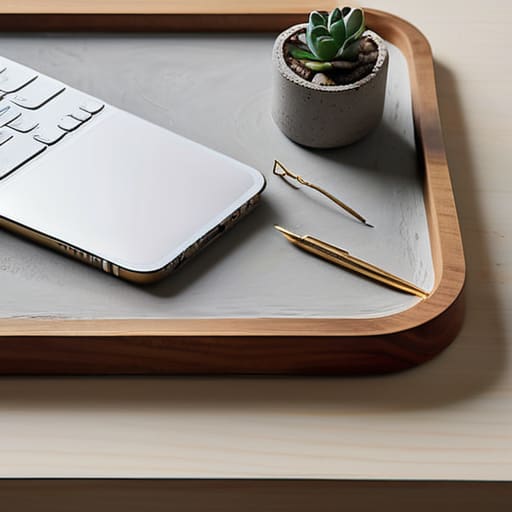
If you’re like me, your desk can quickly turn into a chaotic mess of charging cables, paperclips, and stray pens. I recently started making these little concrete trays to corral all that clutter, and honestly, it’s a total game changer for my workflow. You don’t need a fancy workshop for this; just grab some quick-setting cement and a few repurposed plastic containers from your kitchen to act as molds.
Industrial Style Succulent Planters
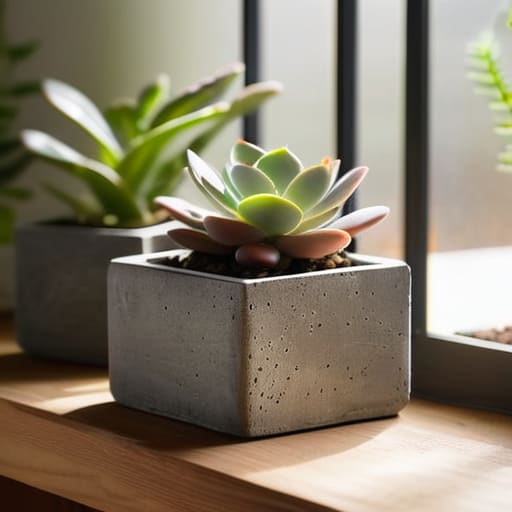
There is something so satisfying about the contrast between the cold, grey texture of concrete and the vibrant, living green of a succulent. I love making these because they add a bit of an architectural edge to a windowsill or a bookshelf without feeling too heavy. Since succulents don’t need massive amounts of soil, these small-batch pours are perfect for a weekend project that doesn’t require a huge investment in materials.
Custom Geometric Coasters
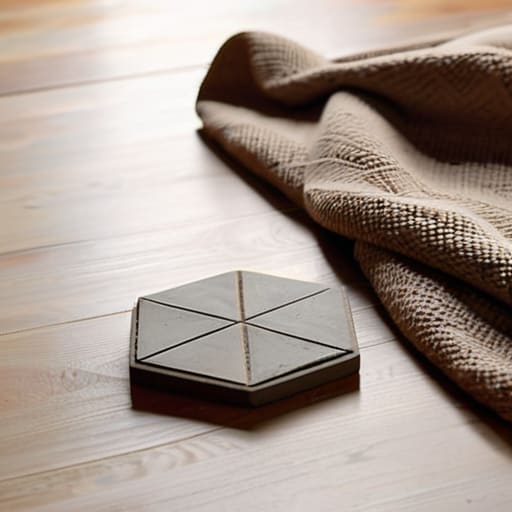
I used to buy these expensive stone coasters online, but then I realized I could make them myself for a fraction of the cost—and customize them to match my decor. Using small silicone molds in geometric shapes like hexagons or triangles creates a set that looks incredibly intentional and polished. It’s one of those projects where the “imperfections” in the concrete actually add to the character of the piece.
Statement Candle Holders
If you’re looking to level up your cozy evening vibes, concrete candle holders are the way to go. I love playing with different heights to create a little “landscape” of tea lights on my dining table. You can keep them simple and monochromatic, or if you’re feeling a bit more adventurous, you can even mix in some pigments to create a marbleized effect that looks stunning when the candlelight hits it.
Textured Wall Sconces
For those of you who want to move beyond small tabletop items, let’s talk about something a bit more ambitious: wall sconces. This is where you can really flex your creative muscles and treat your home like a blank canvas. By using larger molds or even building your own wooden frames, you can create these striking sculptural elements that act as functional art on your walls.
Final Thoughts: Making Your Mark with Concrete
Don’t let the fear of a mess stop you; the best way to learn is to get your hands a little dirty and embrace the trial-and-error process.
Focus on the quality of your mix and the patience of your curing time—the foundation of any great project is the prep work you do before the aesthetics even matter.
Use these projects as a way to bridge the gap between tech-heavy life and tactile creativity, giving your brain a much-needed break from the screen.
The Beauty of the Build
“There’s something incredibly grounding about working with concrete; it’s raw, it’s a little messy, and it doesn’t care about perfection. But once you master the mix, you realize that even the most industrial material can be shaped into something beautiful and uniquely yours.”
Sarah Mitchell
Ready to Get Your Hands Dirty?
Whether you decided to start with some minimalist succulent planters, a custom-poured desk organizer, or even those trendy geometric coasters, the most important thing is that you actually started. We’ve walked through everything from mixing the perfect consistency to mastering the art of the release, and I hope these ideas gave you a solid roadmap to follow. Concrete might seem a bit intimidating or “industrial” at first, but once you see how versatile it can be—especially when you pair it with wood or metallic accents—you’ll realize it’s one of the most forgiving and rewarding mediums out there for any maker.
At the end of the day, I don’t want you to worry about every tiny air bubble or a slightly uneven edge. That’s just part of the process, and honestly, those little imperfections are what give your pieces their unique character. I’ve learned through both coding and woodworking that the real magic happens when you stop striving for perfection and start embracing the learning curve. So, grab your goggles, clear off your workbench, and go create something awesome. I can’t wait to see what you build—don’t forget to keep a notebook handy for those next big ideas!
Frequently Asked Questions
What kind of safety gear do I actually need to avoid getting concrete dust everywhere in my house?
Honestly, don’t underestimate the dust—it gets everywhere. First, grab an N95 mask; a basic surgical one won’t cut it when you’re grinding. I also swear by safety goggles to keep those tiny particles out of my eyes. If you’re working indoors, set up a plastic sheeting barrier and keep a shop vac with a HEPA filter handy. It’s better to be a little over-prepared than to be coughing for a week!
Is it possible to use leftover concrete from a home repair project for these small DIY crafts, or do I need to buy a specific mix?
That’s a great question! Honestly, if you have some leftover concrete from a repair, go for it. It’s a fantastic way to upcycle and keep waste out of the landfill. Just a heads-up: repair mixes can sometimes be a bit “clumpy” or have larger aggregates, so you might want to sift it through a fine mesh screen first. If you’re aiming for super smooth, professional-looking planters, a dedicated craft mix is easier, but leftovers work just fine!
How do I stop my finished concrete pieces from cracking or chipping after they've dried?
Honestly, there’s nothing more frustrating than finishing a piece only to see a hairline crack pop up a day later. To prevent this, the big secret is slow curing—don’t rush it! If you’re working indoors, keep it out of direct sunlight and maybe cover it with plastic to trap moisture. Also, always use a sealant once it’s fully cured; it acts like a protective shield against chipping and gives your piece that professional, polished finish.