Ever feel like you’re staring at a room that just… lacks soul? I’ve been there more times than I can count. Whether I’m moving into a new apartment or just feeling stuck in a space that feels a bit too “big box store,” that sense of disconnection is real. We often think we need a massive budget or a professional designer to fix it, but honestly, that’s just a myth. I’ve found that the most meaningful spaces come from personal touch and a little bit of grit. Exploring different diy home decor ideas isn’t just about saving a few bucks; it’s about reclaiming your environment and making it actually reflect who you are.
In this post, I’m pulling from my own woodworking adventures and my love for upcycling to share five specific projects that anyone can tackle. I’m not talking about complicated, time-consuming builds that require a master’s degree in carpentry. Instead, I’ll walk you through manageable, high-impact projects that will give your home a custom look without the stress. By the time we’re done, you’ll have the confidence to grab your tools and start creating something beautiful of your own.
Table of Contents
Upcycle That Old Side Table
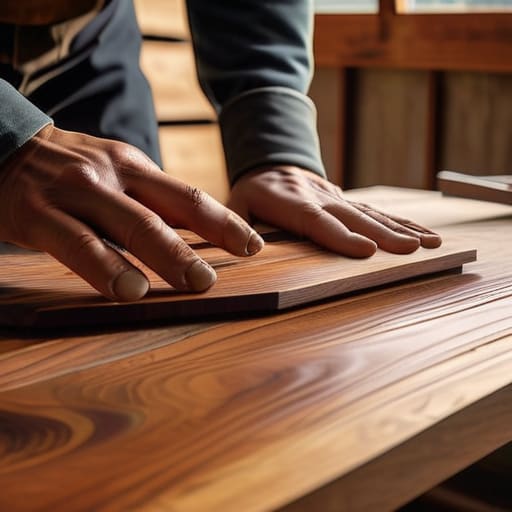
One of my favorite things to do when I’m not debugging code is heading to a local thrift store to hunt for “diamonds in the rough.” I recently found this mid-century modern side table that was absolutely beat up—scratched surface, wobbly legs, and a finish that had seen better days. Instead of tossing it, I spent a weekend sanding it down to the raw wood and applying a fresh, matte walnut stain.
Floating Shelves from Reclaimed Wood
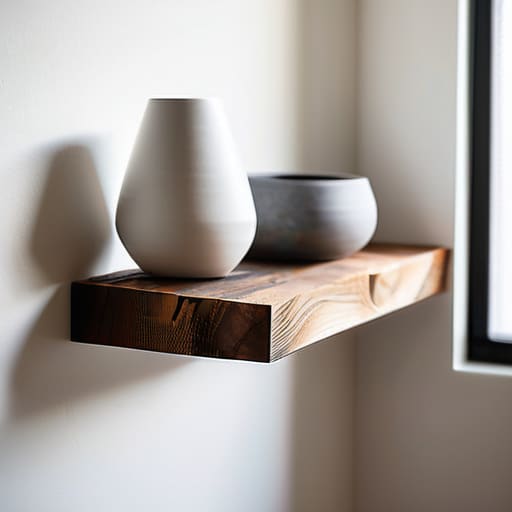
I’ve always been a huge fan of vertical storage, especially when you’re trying to make a small apartment feel a bit more open. Using reclaimed wood to create floating shelves is a total game-changer for your walls. I love the organic texture that old wood brings to a room, especially when you contrast it against the clean, sharp lines of modern tech or minimalist furniture.
Custom Botanical Prints
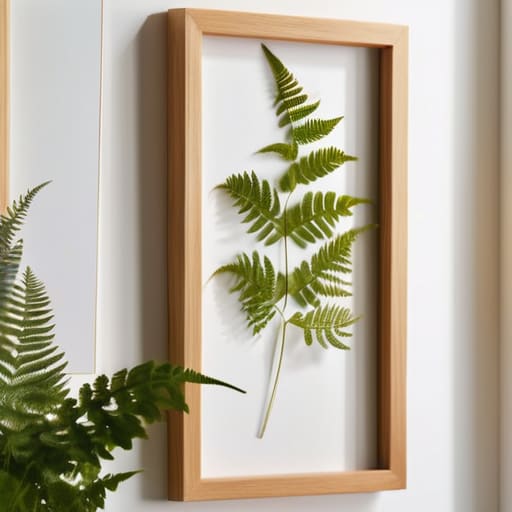
If you’re looking for something low-stakes but high-reward, creating your own wall art is the way to go. I used to stare at my blank white walls in my first apartment feeling so uninspired, so I started experimenting with pressed plants. I take interesting leaves or wildflowers, press them in a heavy book for a few weeks, and then frame them in simple wooden frames.
The Industrial Pipe Bookshelf
When I was first getting into woodworking, I was a bit intimidated by complex joinery, so I leaned into the industrial aesthetic. Using black iron pipes from the hardware store to create a frame for wooden planks is a brilliant hack. It gives you that rugged, loft-style vibe that looks incredibly expensive, but it’s actually quite straightforward to assemble.
Hand-Painted Ceramic Vases
Sometimes, you don’t need a power tool to make a change; sometimes, you just need a little bit of pigment. I love taking plain, inexpensive ceramic vases and giving them a complete makeover with matte acrylic paints. I usually go for earthy tones or abstract geometric patterns that mimic the natural textures I see when I’m out hiking in Oregon.
Final Thoughts: Building Your Space One Project at a Time
Don’t let perfectionism stall your progress; the real magic of DIY is in the learning process and the unique character you add to your home.
Start small with projects that use materials you already have on hand to build your confidence before diving into bigger, more expensive renovations.
View every “mistake” as a chance to troubleshoot and iterate, much like debugging a piece of code—it’s all part of the creative journey.
The Heart of Making
“At the end of the day, it’s not about having a Pinterest-perfect living room; it’s about the satisfaction of looking at a piece of furniture and knowing you’re the one who gave it a second life.”
Sarah Mitchell
Making It Your Own
At the end of the day, whether you’re sanding down an old thrift store find or hanging some custom-framed art, these projects are about more than just aesthetics. We’ve looked at how small, intentional changes—like upcycling furniture, playing with textures, or creating personalized wall decor—can completely shift the energy of a room. You don’t need a massive budget or a professional design degree to make a space feel intentional; you just need a bit of creative courage and the willingness to get your hands a little dirty. Remember, the goal isn’t perfection, but rather building a home that actually reflects who you are.
If you’re feeling a little intimidated by the idea of picking up a power tool or starting a project from scratch, just take it one step at a time. I know from my own woodworking adventures that the first attempt is rarely a masterpiece, but that’s where the real magic happens. Every mistake is just a data point that helps you level up your skills for the next build. So, grab that notebook of yours, pick one idea from this list, and just start creating. I promise you’ll be surprised by how much confidence you gain once you see your vision come to life.
Frequently Asked Questions
I’m a bit nervous about making a mistake—what’s the best way to handle it if a DIY project doesn't turn out quite how I planned?
Honestly, I’ve been there—usually with a pile of sawdust and a very frustrated expression. My best advice? Take a breath and step away for a minute. Most “mistakes” are just unexpected pivot points. If a paint job is blotchy, maybe it’s time for a stencil; if a shelf is crooked, let’s turn it into an intentional rustic feature. In woodworking and in code, we call it debugging. Just iterate and keep going!
Do I really need to invest in expensive power tools right away, or can I get decent results with just a basic toolkit?
Honestly, please don’t feel pressured to drop a fortune on a professional-grade workshop right out of the gate. I learned this the hard way during my first few woodworking projects! Start with a solid, versatile manual toolkit—think a good hammer, a set of screwdrivers, and a measuring tape. As you start tackling more complex builds, you’ll naturally realize which power tools actually add value to your workflow. Build your kit as you grow.
How do I make sure my DIY pieces actually look cohesive with the furniture I already have, rather than just looking like random crafts?
That’s such a common worry, and honestly, I’ve been there! To avoid that “cluttered craft fair” look, I always stick to a consistent color palette or a recurring material. If your existing furniture is mid-century modern with dark walnut, maybe use similar wood tones or brass hardware for your DIYs. Pick one “anchor” element—like a specific texture or metal finish—and repeat it across your new pieces. It ties everything together beautifully.