I still remember the heartbreak of my first apartment in San Francisco, staring down at a shriveled, crispy Monstera that I had treated like a high-maintenance piece of hardware instead of a living thing. I’d spent a fortune on fancy, designer ceramic pots and “specialty” fertilizers, thinking that if I just followed the most expensive instructions, I’d master how to care for houseplants. But all I really did was overcomplicate the process and end up with a graveyard of expensive greenery on my windowsill. It turns out, most of the “expert” advice out there is just unnecessary noise that makes a simple hobby feel like a complex coding bug you can’t quite squash.
I’m not here to sell you on a lifestyle of expensive misting machines or complicated nutrient schedules. Instead, I want to give you the practical, low-stress framework for keeping your greenery alive without it becoming a second job. We’re going to break down the essential “tech stack” of light, water, and soil so you can stop guessing and start growing. My goal is to give you the no-nonsense fundamentals you actually need to build a thriving indoor jungle, one leaf at a time.
Table of Contents
Optimizing Indoor Plant Lighting Requirements for Success
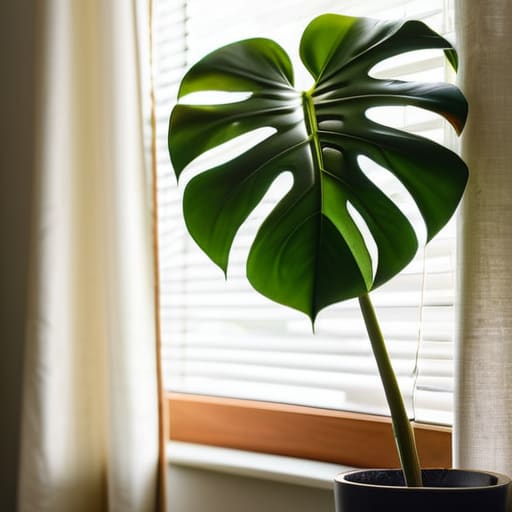
Think of your plant’s light needs like the power requirements for a high-end workstation; if you don’t provide the right wattage, the whole system crashes. Most people make the mistake of just sticking a plant in a corner and hoping for the best, but understanding indoor plant lighting requirements is really just a bit of troubleshooting. If your leaves are looking pale or “leggy”—stretching out toward the window like they’re searching for a signal—your plant is basically telling you it’s running on low battery.
To get this right, I like to categorize my greenery into “hardware profiles.” You’ve got your high-intensity plants that crave direct sun, and your low-light specialists that thrive in the shadows. If you’re working with a space that doesn’t get much natural sun, don’t panic—you can always upgrade your setup with a decent LED grow light. It’s a total game-changer for keeping things lush without needing a massive window. Just remember, even “low-light” plants still need some light to function; they just don’t need the full-strength glare.
Choosing the Best Soil for Houseplants to Thrive
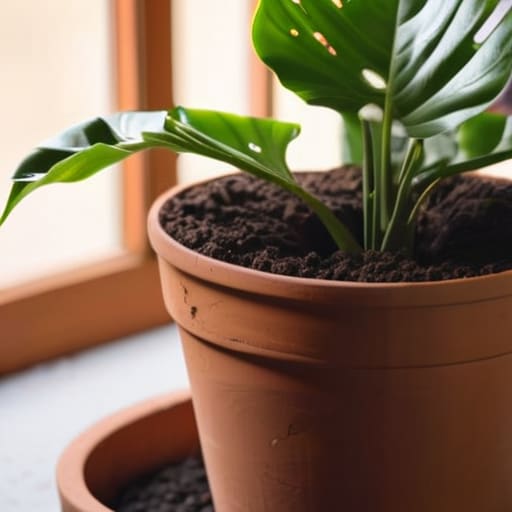
Think of your soil as the hardware that supports your plant’s entire operating system. If the foundation is glitchy, it doesn’t matter how perfect your lighting is—the whole system is going to crash. When you’re hunting for the best soil for houseplants, the biggest mistake I see is just grabbing the cheapest bag of “dirt” at the grocery store. Most of those generic mixes are too dense, meaning they hold onto water like a memory leak, which leads to those dreaded root issues.
For most of my leafy friends, I like to build a custom “build” rather than using a one-size-fits-all solution. For example, if you’re working with succulents, you need something with high drainage, almost like a high-performance cooling system. For my tropical favorites, I prefer a mix that incorporates coco coir or peat moss to help retain just the right amount of moisture. If you’re feeling a bit more advanced, you can even treat it like a DIY project: mix in some perlite or orchid bark to create that perfectly aerated environment that lets the roots breathe.
Debugging Your Plant Care: 5 Pro-Tips for a Greener Space
- Master the “Finger Test” before you reach for the watering can. Overwatering is basically the most common bug in the houseplant system, so stick your finger an inch into the soil first; if it’s still damp, just hold off.
- Think of humidity like a stable Wi-Fi connection—if it’s inconsistent, your plants will struggle. If you’ve got tropical varieties, a small humidifier can prevent those crispy, brown leaf edges that drive us crazy.
- Don’t forget the “hardware maintenance” of cleaning your leaves. Dust acts like a barrier to light absorption, so grab a damp cloth and give them a gentle wipe-down every once in a while to keep their photosynthesis running at peak performance.
- Get comfortable with a bit of trial and error. Every home has its own microclimate, so if a plant isn’t thriving in one corner, treat it like a failed deployment: analyze the environment, move it, and try again.
- Keep a “changelog” in that little notebook of mine. Jotting down when you last fertilized or repotted helps you spot patterns in how your plants react to changes, making it way easier to troubleshoot issues before they become fatal.
Quick Wins for Your Indoor Jungle
Treat your watering schedule like a debugging process—don’t just stick to a rigid timer, but instead, check the soil moisture manually to see what the plant actually needs.
Think of soil as your plant’s hardware; if the foundation (the mix) isn’t right for the specific species, no amount of “software updates” like fertilizer will fix the underlying issue.
Don’t be afraid to iterate and experiment; if a plant isn’t thriving in its current spot, treat it like a failed prototype and move it to a new environment to find its optimal settings.
The Developer's Mindset for Greenery
“Think of your houseplants less like fragile decorations and more like a new piece of hardware: once you understand the basic ‘system requirements’ for light and water, you stop guessing and start growing.”
Sarah Mitchell
Bringing It All Home
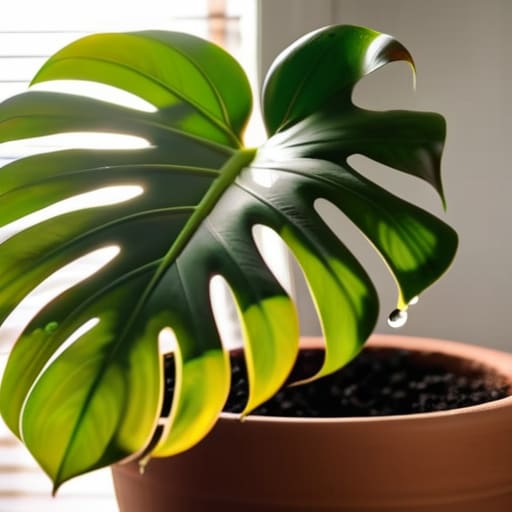
At the end of the day, mastering houseplant care is a lot like debugging a new piece of code or starting a fresh woodworking project: it’s all about understanding the fundamental inputs. We’ve covered how to dial in your lighting setup to mimic a plant’s natural habitat and how to select the right soil “hardware” to give those roots the foundation they need. Once you stop guessing and start observing the specific environmental requirements of each species, you’ll find that the trial-and-error phase shrinks significantly. Remember, it’s not about being perfect from day one; it’s about building a repeatable system that works for your specific living space.
I know that walking into a nursery can feel a little intimidating, especially if you’ve struggled to keep a succulent alive in the past. But please, don’t let a few brown leaves discourage you. Think of every wilted plant as a tiny bit of data telling you how to adjust your approach next time. Whether you’re tech-focused or a DIY enthusiast, the joy of seeing a new leaf unfurl is a massive reward for your patience. So, grab a new pot, pick out something green, and embrace the learning curve. You’ve totally got this!
Frequently Asked Questions
How do I know if I'm actually overwatering my plants or if the soil just stays damp longer?
Honestly, this is where most people trip up! Think of it like debugging code: you have to look at the symptoms. If the leaves are turning yellow and feeling mushy, that’s a classic overwatering bug. If the soil stays damp but the plant looks fine, you might just have heavy soil. I always keep my finger an inch deep in the dirt; if it feels like a wrung-out sponge, hold off on the watering can.
Are there any specific "low-tech" hacks or tools I should grab to make monitoring humidity easier?
Honestly, you don’t need a bunch of expensive smart sensors to get this right. I’m a big fan of the low-tech approach. Grab a simple analog hygrometer—they’re super cheap and don’t require an app to work. Also, keep a small spray bottle handy for quick misting, or even just group your plants together; they actually create their own little microclimate! It’s all about those small, manual adjustments that make a huge difference.
Once I've got the light and soil dialed in, how do I know when it's time to repot or upgrade my plant's setup?
Think of repotting like upgrading your hardware—eventually, the old system just can’t handle the processing power of your growing plant. Keep an eye out for “system errors”: roots peeking out of drainage holes, water running straight through like it’s hitting a leak, or growth that’s suddenly stalled despite perfect light and soil. If the plant looks cramped or top-heavy, it’s time for a larger container and a fresh “software update” of nutrient-rich soil.