I was elbow-deep in sawdust last weekend, trying to sand down an old mid-century dresser I found at a thrift store, when I realized how much “green living” advice feels like a total scam. You see these influencers posting about thousand-dollar solar arrays or hyper-expensive organic lifestyle kits, and it makes you feel like you can’t even participate unless you have a massive Silicon Valley salary. Honestly, most of the eco friendly home tips floating around the internet are way too complicated and, frankly, a bit ridiculous. We don’t need to overhaul our entire lives overnight to make a difference; we just need to be smarter about how we use what we already have.
I’m not here to sell you on a lifestyle you can’t afford or a set of rules that require a PhD to follow. Instead, I want to share some practical, no-nonsense strategies that combine my love for DIY with a bit of tech-savvy efficiency. I’ll be walking you through real, actionable ways to reduce your footprint—from upcycling old furniture to using simple smart gadgets to cut down on energy waste. My goal is to give you the tools to build a sustainable home that actually works for your real life.
Table of Contents
Mastering Energy Efficient Home Upgrades With Ease
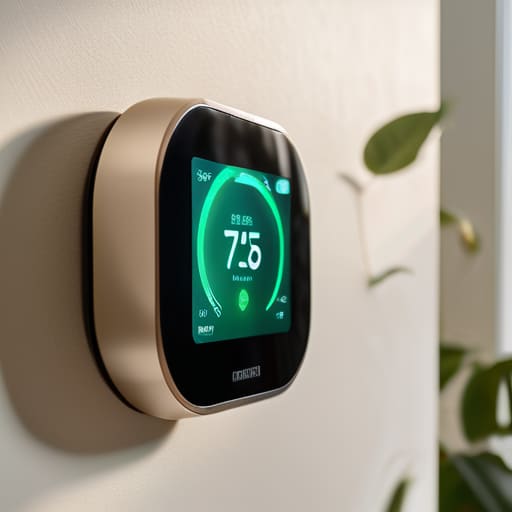
When I first started working in Silicon Valley, I realized how much of our daily energy consumption is just… invisible. We go about our routines without a second thought, but those small leaks add up. One of the most effective ways to tackle this is through energy efficient home upgrades that actually make your life easier. I’m a huge fan of smart thermostats; they’re a total game-changer for anyone who wants to automate their savings. Instead of manually adjusting the heat every time you leave for work, you can program a system that learns your habits. It’s a simple way to reduce your household carbon footprint without having to constantly monitor the dials yourself.
If you’re more of a hands-on DIYer like me, you don’t have to spend thousands on a full solar installation right away. I love starting with small, high-impact projects, like swapping out old incandescent bulbs for smart LEDs or even sealing up drafty windows with some weatherstripping. These little tweaks might seem minor, but they are the building blocks of a truly sustainable living space. It’s all about making incremental changes that stick.
Water Conservation Techniques for the Modern Diyer
When we talk about making a home more sustainable, we often focus on electricity, but I think we overlook just how much impact our water usage has. Implementing smart water conservation techniques doesn’t have to mean living like a monk or taking freezing showers. For me, it’s all about those small, clever tweaks that save resources without ruining your daily routine. One of my favorite low-effort projects is swapping out old, leaky faucets for high-efficiency aerators. They’re super inexpensive, and honestly, they’re a breeze to install—even if you aren’t a seasoned DIYer.
If you’re looking to take things a step further, I’ve been experimenting with some zero waste lifestyle hacks in my own garden. Instead of relying solely on the tap, I’ve set up a simple rain barrel system to catch runoff from the roof. It’s a game-changer for keeping your plants happy while helping you reduce your household carbon footprint at the same time. It’s these little layers of efficiency that, when stacked together, really turn a standard house into a truly mindful, sustainable home.
Small Tweaks, Big Impact: My Go-To Eco-Friendly Home Hacks
- Let’s talk about lighting. I swapped out every single old bulb in my place for smart LEDs a while back. Not only do they sip way less power, but I can program them to dim automatically when I’m winding down, which is a total game-changer for my evening routine.
- Don’t sleep on your windows! If you’re like me and love a good DIY project, grab some heavy thermal curtains. It sounds simple, but they act like a buffer, keeping the heat in during those chilly Oregon winters and blocking the sun in the summer so your AC doesn’t have to work overtime.
- Level up your kitchen game by ditching the single-use plastics. I started keeping a stash of beeswax wraps and glass containers in my pantry. It’s a tiny habit shift, but it keeps so much unnecessary waste out of the landfill and actually makes my fridge look way more organized.
- If you’re feeling a bit more tech-savvy, look into a smart thermostat. I used to constantly forget to adjust the temp when I headed out for the day, but now it learns my schedule and optimizes everything automatically. It’s one of those rare “set it and forget it” wins that actually pays for itself.
- Finally, give your old appliances a little TLC. You don’t always need to buy the newest, flashiest model to be eco-friendly; sometimes just cleaning the coils on your fridge or replacing a worn-out dryer vent can make them run much more efficiently and extend their lifespan.
Quick Wins for Your Sustainable Home
Don’t feel like you have to overhaul everything at once; start with small, tech-driven tweaks like smart thermostats to see immediate energy savings.
Treat your eco-friendly journey like a DIY project—focus on learning one new skill at a time, whether it’s fixing a leaky faucet or setting up a smart irrigation system.
Sustainability isn’t just about the planet; it’s about building a smarter, more efficient home that actually works better for your lifestyle and your wallet.
## A Small Shift in Perspective
“Making your home eco-friendly isn’t about some massive, expensive overhaul; it’s about using the tools and tech we already have to work a little smarter, not harder, for the planet.”
Sarah Mitchell
Making It Stick
Looking back at everything we’ve covered, it’s clear that building a sustainable home isn’t about some overnight, massive overhaul that leaves you broke and stressed. It’s really about the small, intentional shifts—whether you’re optimizing your energy usage with a few smart plugs or getting your hands dirty with a DIY water-saving project in the garden. We’ve talked about everything from automating your climate control to rethinking how we manage our most precious resources. The common thread here is that technology and a little bit of elbow grease can work together to make your living space much more efficient without sacrificing the comfort you deserve.
If I can leave you with one thought, it’s this: don’t let the “perfect” be the enemy of the “good.” You don’t need to turn your house into a fully off-grid, high-tech fortress by next weekend to make a real difference. Start with one project that excites you, whether it’s a coding challenge to automate your lights or a weekend woodworking session to upcycle some old containers for your herbs. Every small skill you learn and every gadget you implement is a step toward a more confident, sustainable version of yourself. You’ve totally got this, and I can’t wait to hear about what you build!
Frequently Asked Questions
I've looked into smart thermostats, but is the initial setup actually worth the hassle for someone who isn't super tech-savvy?
Honestly, I get it—the idea of messing with your HVAC system feels intimidating. But as someone who spends all day debugging code, I promise it’s much simpler than it looks. Most modern smart thermostats are designed for people like us, not just engineers. Once you get through the initial app setup, the automation does the heavy lifting. It’s a small upfront time investment that pays off massively in both comfort and your monthly utility bills.
Are there any specific DIY projects that can help lower my water bill without needing to call in a professional plumber?
Honestly, you can definitely tackle this without a plumber’s visit. I always start with the low-hanging fruit: installing high-efficiency aerators on your faucets and swapping out old showerheads for low-flow versions. It’s a quick weekend project that makes a huge difference. I also love setting up a simple rain barrel system for the garden—it’s a perfect way to combine my love for DIY with some smart, sustainable resource management.
How do I balance my love for upcycling old furniture with finding eco-friendly, non-toxic finishes that are safe for my home?
I totally get that struggle—I’ve spent many weekends in my garage covered in sawdust, only to realize the finish I used smells like a chemical factory. To keep your home safe, I always swap traditional polyurethanes for plant-based oils like linseed or tung oil. They give a beautiful, natural feel. Also, look for “Zero-VOC” chalk paints; they’re a game-changer for upcycling because they’re non-toxic and super easy to work with!