I’ll be the first to admit it: my apartment used to look more like a desert than a sanctuary. Back when I was grinding through late-night coding sessions in Silicon Valley, I’d promise myself I’d turn my place into a lush, green oasis, only to end up with a collection of shriveled, sad-looking stems. It’s incredibly frustrating when you’re trying to create a calming space to unwind, but you feel like you lack the “green thumb” required to keep things alive. If you’ve ever felt intimidated by the sheer variety of greenery at the nursery, trust me, finding the right houseplants for beginners shouldn’t feel like debugging a complex legacy codebase.
The good news is that you don’t need a degree in botany to thrive; you just need a few reliable allies that can handle a little neglect. In this post, I’m breaking down five specific plants that are practically bulletproof, even if you occasionally forget they exist. I’ll walk you through exactly which varieties will help you build a low-maintenance indoor jungle and, more importantly, how to keep them happy without adding more stress to your daily routine. Let’s get growing!
Table of Contents
The Indestructible Snake Plant
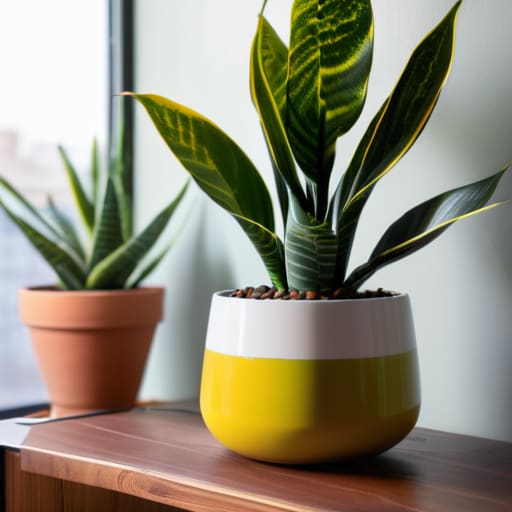
If you’re anything like I was when I first moved into my tiny apartment in San Francisco, you probably don’t have a “green thumb” and you definitely don’t have much natural light. That’s where the Snake Plant comes in. These guys are basically the software engineers of the plant world—they’re efficient, they work in almost any environment, and they rarely crash. You can practically forget they exist for a week or two, and they’ll still be standing tall and looking sharp.
Pothos: The Ultimate Living Decor
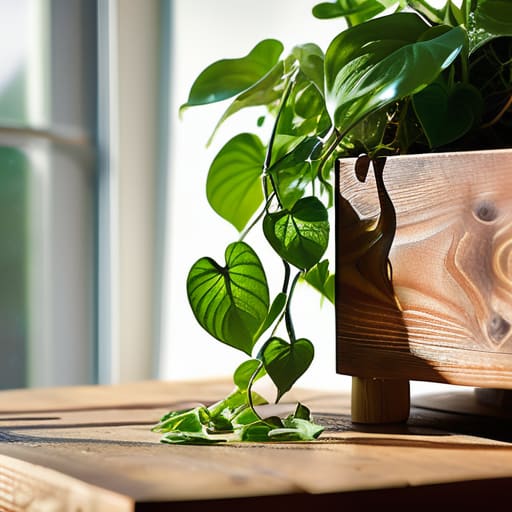
I remember my first real “DIY win” in my home office was adding a Pothos plant to a shelf I’d upcycled from an old crate. There is something so incredibly satisfying about watching those long, leafy vines slowly cascade down your furniture. They are incredibly forgiving, making them the perfect starter project for anyone who is a bit nervous about keeping something alive.
ZZ Plant: Set It and Forget It
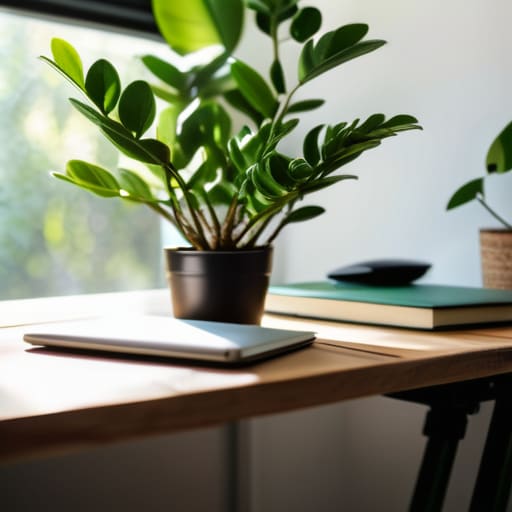
Let’s be real: sometimes life gets chaotic. Between debugging code or prepping for interviews, sometimes watering a plant is the last thing on your mind. The ZZ plant is my absolute go-to for those high-intensity weeks because it is arguably the most resilient plant you can buy. It has these beautiful, waxy green leaves that look almost artificial because they stay so shiny and healthy with so little effort.
Spider Plant: The Rapid Scaler
If you enjoy seeing quick results from your efforts, you are going to love the Spider Plant. They are famous for producing these little “babies” or plantlets that hang down from the mother plant on long stems. It’s almost like watching a recursive function in action—one plant quickly turns into a whole cluster of new ones. It’s super rewarding to see that growth happening right before your eyes.
Peace Lily: The Communicator
I like to think of the Peace Lily as the plant that actually talks back to you. While some plants are stoic, the Peace Lily is very expressive. When it’s thirsty, it will dramatically droop its leaves to let you know it’s time for a drink. It’s a bit of a drama queen, sure, but it’s actually a really helpful way for a beginner to learn the rhythm of plant care through direct feedback.
Quick Wins for Your New Green Space
Start small and don’t overthink it—picking one or two hardy plants like a Snake Plant or Pothos is way better than buying a whole jungle and feeling overwhelmed.
Consistency beats intensity every time, so instead of a massive watering session once a month, just get into the habit of checking your soil once a week.
Don’t beat yourself up if a leaf turns yellow; even the most seasoned plant parents have a few casualties, so just treat it as a learning moment and try again!
A Little Greenery Goes a Long Way
“Don’t sweat the small stuff—like a yellow leaf or a missed watering. Think of houseplants like a first coding project: you’re going to hit some bugs, but every mistake is just a way to learn how your environment actually works.”
Sarah Mitchell
Bringing the Greenery Home
At the end of the day, getting started with indoor gardening isn’t about having a perfect green thumb or a massive sunroom; it’s about choosing the right companions for your specific lifestyle. Whether you go with a resilient Snake Plant that thrives on neglect or a trailing Pothos that adds some lovely texture to your bookshelf, the goal is to find something that fits your environment. Remember to pay attention to your light levels and, most importantly, don’t overwater them in an attempt to be helpful. Once you nail down that basic rhythm of light and moisture, you’ll find that maintaining these little living things becomes a seamless part of your daily routine rather than another chore on your to-do list.
I know that stepping into something new can feel a bit intimidating, especially if you’ve struggled to keep a succulent alive in the past. But just like learning a new coding language or tackling a complex woodworking project, it’s all about iterative learning. You might lose a leaf here or a stem there, and honestly, that’s just part of the process. Every mistake is just data telling you how to do better next time. So, grab a pot, get a little dirt under your fingernails, and enjoy the process of watching something grow right in your own living room. You’ve totally got this!
Frequently Asked Questions
I've already picked out my plants, but how do I know if I'm actually watering them too much or too little?
Honestly, this is the trickiest part of being a new plant parent! My best advice? Stop relying on a strict schedule and start using your hands. Stick your finger about an inch into the soil; if it feels bone-dry, it’s time for a drink. If it’s still damp, back off. Also, keep an eye on the leaves—yellowing often means too much water, while crispy, drooping leaves usually signal they’re thirsty.
Is it worth investing in fancy grow lights, or can I just rely on the natural light coming through my windows?
Honestly, don’t go dropping a ton of cash on high-end grow lights right out of the gate. If you’ve got a bright, sunny window, give that a shot first! It’s the most natural way to start. But, if your apartment feels a bit like a cave, a budget-friendly LED grow light can be a total game-changer. Think of it as a little tech upgrade for your plants—sometimes that extra boost is worth the small investment.
What’s the best way to deal with those annoying little gnats that seem to show up out of nowhere?
Ugh, the dreaded fungus gnats! They’re the absolute worst when you’re just trying to enjoy your new plant corner. Honestly, the quickest fix is letting your soil dry out more between waterings—they love that constant moisture. If they’re really taking over, grab some yellow sticky traps from the hardware store; they’re a lifesaver for catching the adults. It’s a bit of a DIY battle, but hang in there!