I was elbow-deep in a pile of tangled fairy lights and moth-eaten wool sweaters last weekend, staring at a closet that looked more like a junk drawer than a storage space. It’s that specific, frustrating moment when you realize you have no idea how to store seasonal items without them becoming a disorganized mountain of chaos by next month. Honestly, I’m so tired of seeing those “aesthetic” organization videos that suggest you need to spend hundreds of dollars on matching, expensive acrylic bins just to keep your life together. You don’t need a Pinterest-perfect showroom; you just need a system that actually works when you’re in a rush.
I’m not here to sell you on some complicated, high-maintenance lifestyle hack. Instead, I want to share the practical, low-tech strategies I’ve learned from years of navigating small apartments and DIY projects. I’ll show you how to categorize your gear, pick the right containers for your budget, and finally master how to store seasonal items so they stay protected and easy to find. Let’s skip the fluff and get straight to the actionable steps that will actually clear your mental clutter.
Table of Contents
- Smart Inventory Management to Simplify Your Future Self
- Choosing the Best Containers for Seasonal Storage Success
- 5 Pro-Tips to Keep Your Seasonal Gear from Becoming a Headache
- Quick Wins for a Stress-Free Season Switch
- The Mindset Behind the Method
- Bringing It All Together
- Frequently Asked Questions
Smart Inventory Management to Simplify Your Future Self
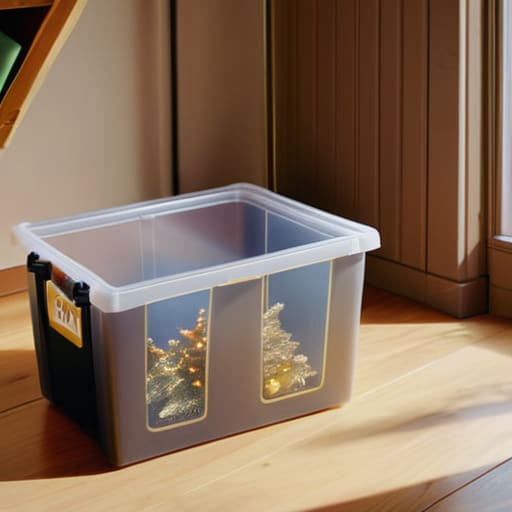
Honestly, the biggest mistake I see people make isn’t about where they put their stuff, but how they remember what they actually have. There is nothing more soul-crushing than digging through a mountain of plastic bins in a dark attic, only to realize you’ve already bought a duplicate of that specific garland. To avoid this, I’m a huge advocate for seasonal item inventory management. I keep a simple digital spreadsheet—or even just a dedicated note in my phone—listing exactly what is in each bin. If you take it a step further and number your containers, you can just scan a quick list to see your contents without ever breaking a sweat (or a seal).
This approach also makes finding the best containers for seasonal storage much easier because you aren’t just buying random tubs; you’re buying specific volumes that fit your documented needs. When you know you have exactly twelve large bins, you can plan your layout to focus on maximizing attic storage space rather than playing a guessing game. It turns a chaotic chore into a predictable system that your future self will definitely thank you for.
Choosing the Best Containers for Seasonal Storage Success
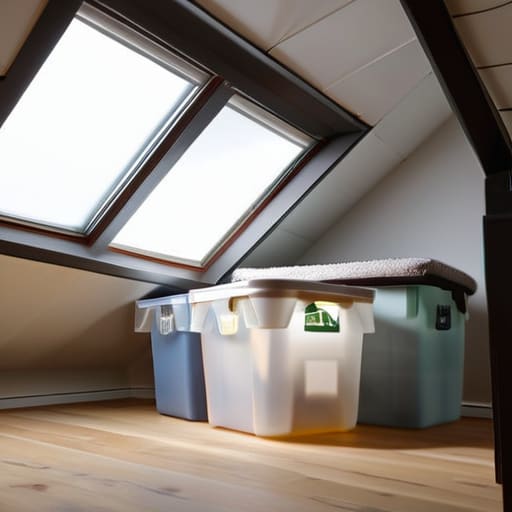
When you’re standing in the middle of a pile of mismatched cardboard boxes, it’s easy to just grab whatever is lying around. But if you want to avoid the heartbreak of finding a crushed heirloom next year, you need to be strategic about your best containers for seasonal storage. For heavy items like kitchen appliances or thick winter blankets, I always recommend heavy-duty plastic bins with locking lids. They stack beautifully, which is a total game-changer when you’re maximizing attic storage space where every inch counts.
However, not everything deserves a rugged plastic tub. If you’re dealing with delicate pieces, like those hand-blown glass baubles from your grandmother, you have to prioritize protecting fragile ornaments. I personally swear by clear, acid-free specialty boxes or even padded dividers. Also, a quick pro-tip from my woodworking days: if you’re storing things in a basement or garage, look for airtight seals to focus on preventing moisture damage in storage. There’s nothing worse than pulling out your festive decor only to find a layer of mildew. Invest a little more time in the right vessels now, and your future self will definitely thank you.
5 Pro-Tips to Keep Your Seasonal Gear from Becoming a Headache
- Label everything—and I mean everything—using a thick permanent marker on the side of the bin, not just the lid, so you can actually see what’s inside when they’re stacked.
- Use vacuum-seal bags for your bulky winter sweaters or extra linens; they save a massive amount of real estate in your storage bins and keep everything smelling fresh.
- Group your items by “occasion” rather than just type; keep all your holiday decor in one zone and your summer beach gear in another so you aren’t hunting through three different boxes.
- Don’t forget to do a quick “quality check” before you pack things away; if a piece of decor is broken or a sweater has a hole, fix it now or donate it so you aren’t just storing clutter.
- Utilize the “vertical rule” by stacking your most durable, heavy-duty plastic bins at the bottom of your storage area to create a stable foundation for the lighter stuff.
Quick Wins for a Stress-Free Season Switch
Stop the guesswork by labeling everything clearly—use a quick digital note or a sharpie so you aren’t digging through unmarked bins six months from now.
Invest in quality, stackable containers that actually protect your stuff; it’s much better to spend a little more now than to replace damaged decor later.
Make a habit of “purging before storing” by only packing away the things you actually used this year, which keeps your storage space from becoming a graveyard for clutter.
The Mindset Behind the Method
“Think of seasonal storage not as a chore to check off a list, but as a gift to your future self; when you build a system that actually makes sense, you’re buying back your time and sanity for next year.”
Sarah Mitchell
Bringing It All Together
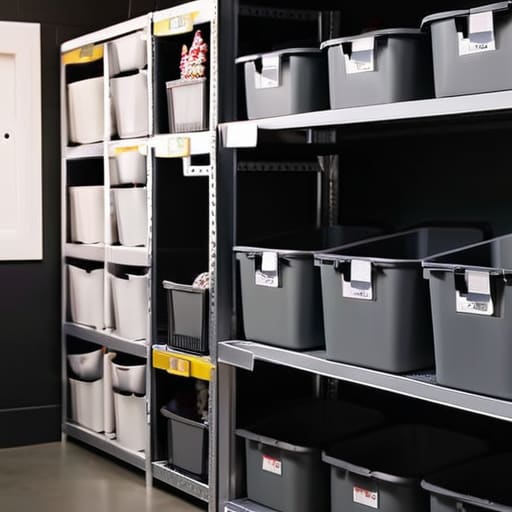
At the end of the day, mastering your seasonal storage isn’t just about clearing floor space; it’s about building a system that actually serves you. We’ve talked about the importance of keeping a digital inventory so you aren’t playing “hide and seek” with your holiday lights every December, and we looked at how picking the right containers—whether that’s clear bins for visibility or heavy-duty totes for the attic—can prevent your favorite decor from getting crushed. By applying a little bit of intentional organization, you’re essentially debugging your home environment, removing the friction that makes seasonal transitions feel like such a massive chore.
I know that staring at a pile of mismatched boxes can feel overwhelming, especially after a long week of coding or working a demanding job. But I promise you, the effort you put in now is a massive gift to your future self. Think of it like a small DIY project: it might take a few hours of focused effort today, but the payoff is a home that feels calm and controlled all year round. So, grab your notebook, pick a corner of the garage, and just start with one bin. You’ve got this, and I can’t wait to see how much more breathing room you create in your space!
Frequently Asked Questions
Where’s the best place in my house to actually keep all these bins so they aren't just taking up floor space?
This is the million-dollar question, isn’t it? You don’t want your organized bins to just become new clutter. I’m a big fan of utilizing “dead space”—think high shelves in a hallway closet or that awkward gap above your garage workbench. If you have a basement, stacking them vertically in a corner is a lifesaver. Just remember: if you can’t see it or reach it easily, you’ll probably forget it exists by next season!
How do I protect my more delicate decorations—like old ornaments or fabric wreaths—from getting crushed or damaged over the year?
For the fragile stuff, like those heirloom ornaments or delicate fabric wreaths, you’ve got to ditch the heavy-duty plastic bins and go for something more protective. I always use acid-free tissue paper to wrap ornaments individually—it prevents scratching and keeps them from clanking together. For wreaths, skip the folding and find some sturdy, breathable fabric bags or even specialized round boxes. It takes a little more effort upfront, but your future self will thank you when nothing’s broken!
Is it worth it to invest in those expensive vacuum seal bags, or should I just stick to standard plastic bins?
Honestly, it’s a bit of a toss-up depending on what you’re packing away. If you’re tackling bulky winter coats or extra linens, those vacuum bags are absolute lifesavers—they reclaim so much precious shelf space. But for fragile decor or tech gear, stick to sturdy plastic bins to avoid crushing things. My rule of thumb? Use the bags for soft goods to save space, and the bins for everything else to keep it safe.