I was sitting on my floor last weekend, surrounded by half-finished woodworking projects and a mountain of tangled charging cables, feeling completely defeated by my own space. It’s funny—I spend my days optimizing code for efficiency, yet my physical environment felt like a system crashing under too many background processes. I realized that most of the minimalist home tips you see on Instagram are just glorified versions of “buy expensive, empty white furniture,” which is honestly total nonsense. Minimalism shouldn’t feel like living in a sterile hospital ward; it should feel like finally having enough breathing room to actually focus on the things you love.
In this post, I’m skipping the aesthetic fluff and getting straight to the practical stuff. I want to share the actual, battle-tested systems I use to keep my home functional without losing my personality. We’re going to talk about how to audit your belongings like a software deployment and how to use smart tech to automate the clutter away. My goal is to give you actionable strategies that turn your home into a launchpad for your next big project, rather than a distraction that holds you back.
Table of Contents
Decluttering Techniques for Beginners to Reclaim Your Space

When you’re first starting out, the idea of a total overhaul can feel as overwhelming as debugging a massive, undocumented codebase. My advice? Don’t try to refactor your entire life in one weekend. Instead, start with small, manageable wins using decluttering techniques for beginners like the “one-in, one-out” rule. If you buy a new gadget or a piece of decor, something old has to go. This simple logic prevents your space from bloating and helps you practice intentional living habits right from the jump.
I also love applying the concept of a “capsule wardrobe” to other parts of the house. Think about your kitchen or your desk setup; instead of having every single tool and gadget accessible at once, curate a selection of your most-used essentials. By reducing household clutter and focusing on quality over sheer volume, you’re not just cleaning—you’re optimizing your environment for better focus. It’s much easier to stay inspired and creative when you aren’t constantly tripping over physical “noise” that’s just taking up mental bandwidth.
How to Live With Less Using Smart Tech Systems
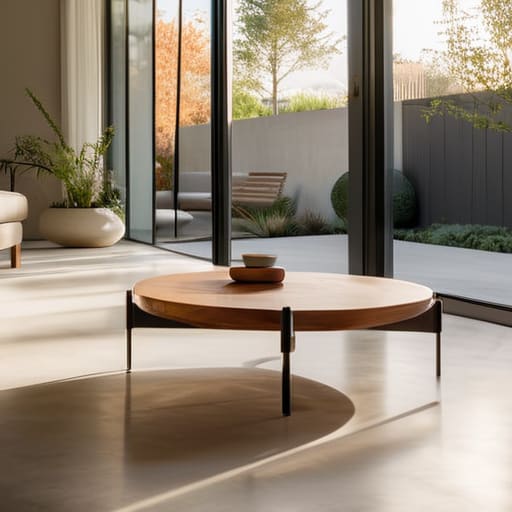
Once you’ve mastered the basic decluttering techniques for beginners, it’s time to stop playing defense and start playing offense with your space. I like to think of smart tech as the “operating system” for your home; it handles the background tasks so you don’t have to. Instead of hoarding physical manuals, extra cables, or old storage bins, lean into the cloud and smart hubs. By digitizing your important documents and using smart lighting or automated climate controls, you’re essentially automating your environment to support a more streamlined lifestyle.
The real magic happens when you use technology to foster intentional living habits. For example, instead of keeping a massive collection of media, a single high-quality streaming setup or a centralized digital library can drastically reduce household clutter. I’ve found that using smart sensors—like those that track when you’re actually using certain appliances—can help you realize what’s just taking up space. It’s not about buying more gadgets; it’s about using the right tools to master how to live with less without feeling like you’re sacrificing any of the comforts that make a house feel like a home.
My Go-To Strategies for Keeping the Chaos at Bay
- Implement a “One-In, One-Out” rule for your gear. Whether it’s a new mechanical keyboard or a fancy piece of reclaimed wood for a project, if something new comes into your space, something old has to find a new home or hit the donation bin. It keeps your inventory from bloating.
- Audit your digital clutter just as strictly as your physical stuff. A messy desktop or a thousand unorganized cloud files creates mental drag. Use a simple folder hierarchy or a dedicated tagging system to keep your digital workspace as clean as your physical one.
- Stop “just in case” shopping. We’ve all done it—buying a tool or a gadget because we might need it for a project six months from now. If you don’t have a concrete plan to use it in the next month, leave it on the shelf.
- Create “zones” for your hobbies to prevent project creep. I love my woodworking, but I can’t have sawdust migrating into my coding setup. Designate specific areas for specific activities so your living space remains a place of rest, not just a workshop.
- Automate your routine maintenance. Use smart plugs or scheduled apps to handle the little things, like turning off lights or managing your thermostat. When you automate the mundane, you free up more cognitive bandwidth for the creative stuff that actually matters.
The Bottom Line: Building Your Minimalist Foundation
Minimalism isn’t about living in a white box; it’s about using DIY systems and smart tech to automate the boring stuff so you have more mental bandwidth for the projects you actually love.
Start small and treat decluttering like a software refactor—clean up the “legacy code” of your physical clutter first to make room for more efficient, intentional habits.
Don’t let the pursuit of perfection stall your progress; the goal is to create a functional, streamlined environment that supports your growth rather than one that feels like a chore to maintain.
The Mindset Shift
“Minimalism isn’t about living in a sterile, empty white box; it’s about debugging your environment. Just like cleaning up messy code makes a program run smoother, clearing out the physical noise in your home frees up the mental bandwidth you need to actually focus on the projects and people that matter.”
Sarah Mitchell
Making Minimalism Work for You
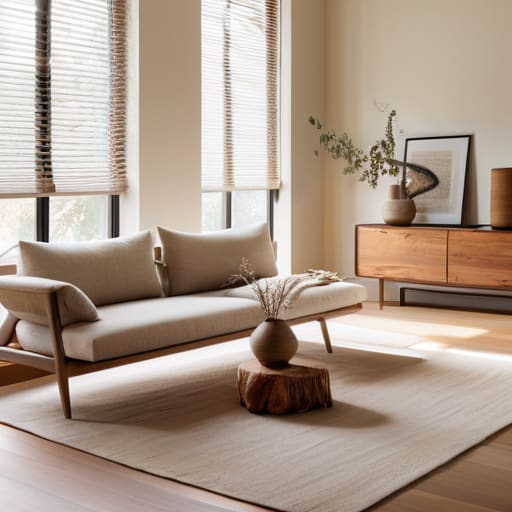
At the end of the day, transitioning to a minimalist lifestyle isn’t about living in a cold, empty white box; it’s about being intentional with what you allow into your orbit. We’ve talked about everything from the heavy lifting of initial decluttering to the clever way smart tech systems can automate your organization and keep the chaos at bay. Whether you’re implementing a new sorting method or setting up a digital hub to manage your physical belongings, the goal is the same: to reduce the friction in your daily life. Remember, every piece of clutter you remove and every smart system you implement is essentially a software update for your home environment, making everything run a little smoother and more efficiently.
I know that starting this journey can feel a bit overwhelming, especially when you look at a room full of stuff and don’t know where to begin. But just like learning a new programming language or tackling a complex woodworking project, you don’t have to do it all at once. Take it one drawer, one app, or one corner at a time. If you focus on creating space for the things that actually bring you joy or help you grow, you’ll find that the process becomes incredibly rewarding. You have the tools and the capability to design a life that feels purposeful, so go ahead and start building that foundation today.
Frequently Asked Questions
How do I start decluttering when I feel totally overwhelmed by the sheer amount of stuff I've accumulated over the years?
I totally get it—looking at a mountain of stuff can feel like staring at a massive, buggy codebase you don’t know how to refactor. My advice? Don’t try to “fix” the whole house in one weekend. Start with a single drawer or even just one shelf. Think of it like a small sprint in a dev cycle. Once you see that tiny bit of progress, the momentum will carry you through the bigger stuff.
Are there specific smart home devices you'd recommend that actually help reduce clutter rather than just adding more gadgets to the mix?
That is such a great question. I’m a huge advocate for “functional tech”—tools that solve a problem rather than just sitting on your shelf looking pretty. For me, a smart speaker is a game-changer because it replaces those messy physical timers, notes, and even music players. I also love smart plugs; they let you automate lighting and appliances without a mountain of extra wires. The goal is to let the tech handle the “invisible” tasks so your surfaces stay clear.
How can I balance my love for DIY and woodworking projects with a minimalist lifestyle without my workspace becoming a source of mess?
I totally get this struggle—my garage is a constant battleground between my love for woodworking and my desire for a clean space. The secret is treating your workshop like a well-optimized codebase: modularity is everything. Invest in mobile tool carts and vertical pegboards to keep your essentials accessible but off the floor. By implementing a “one-in, one-out” rule for materials and using clear, labeled bins for hardware, you can fuel your creativity without the chaos.