I was standing in my kitchen the other morning, staring at a mountain of mismatched Tupperware and half-empty spice jars, feeling completely defeated. It’s funny—I spend my days debugging complex code and my weekends working with precision tools in my woodshop, yet I still struggle to manage a simple countertop. We’ve all been there, feeling like our living spaces are working against us rather than for us. I’ve realized that finding effective kitchen organization ideas isn’t just about tidying up; it’s about optimizing your workflow so that cooking feels like a joy instead of a chaotic chore.
In this post, I’m breaking down five specific strategies I’ve used to turn my own kitchen from a cluttered mess into a streamlined, high-functioning space. I’m going to show you how to blend a bit of DIY logic with smart, tech-adjacent systems to make sure everything has its rightful place. By the time you finish reading, you’ll have a practical roadmap to reclaiming your kitchen and, more importantly, your peace of mind. Let’s get to work!
Table of Contents
Optimize Your Vertical Real Estate
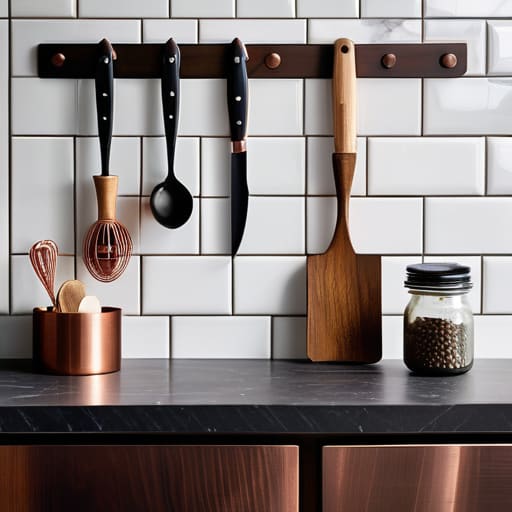
One thing I learned from my woodworking days is that we often overlook the most valuable space in any room: the walls. If your counters are cluttered with spice jars and cooking oils, you’re essentially wasting prime “real estate” that should be reserved for food prep. I love using magnetic knife strips or heavy-duty pegboards to get those frequently used tools up and out of the way. It’s a total game-changer for your workflow.
Implement a Smart Pantry Logic
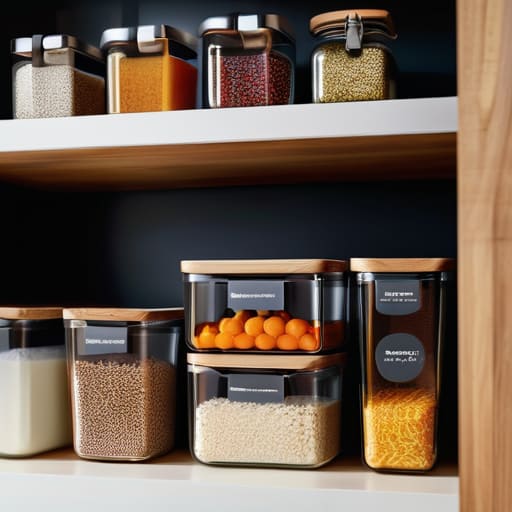
We’ve all been there—staring into a dark pantry, wondering if we have enough pasta for dinner, only to find three half-empty boxes buried in the back. To fix this, I highly recommend adopting a modular container system. Moving your dry goods from mismatched cardboard boxes into clear, airtight containers makes everything visible at a glance. It’s basically a visual dashboard for your food inventory.
The Drawer Divider Hack
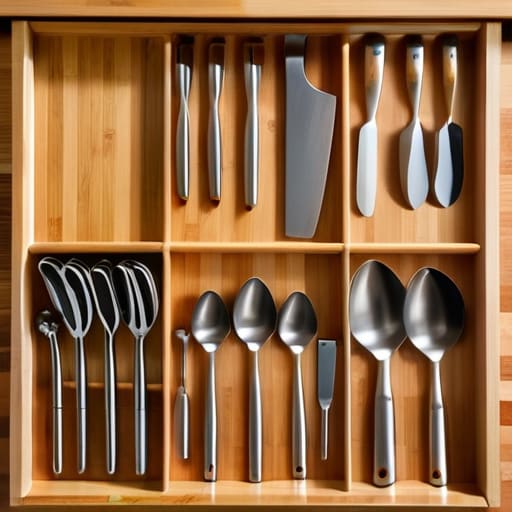
There is nothing that kills my productivity faster than a “junk drawer” that has bled into my utensil drawer. If you’re digging through a chaotic pile of spatulas and whisks just to find a single teaspoon, your kitchen’s user experience is broken. I’m a huge advocate for using adjustable bamboo dividers to create custom slots for every single tool you own.
Leverage Under-Shelf Storage
If you feel like your cabinets are bursting at the seams, you’re likely dealing with a lot of “dead air” between your shelves. This is a classic optimization problem. You can solve it by adding under-shelf wire baskets that slide right onto your existing shelving. These are perfect for lightweight items like tea bags, napkins, or even those small packets of spices that always seem to get lost.
Zone-Based Station Setup
When I’m working on a complex coding project, I need my desk set up so that everything I need is within arm’s reach. Your kitchen should function exactly the same way through zone-based organization. Instead of scattering your coffee pods, mugs, and sugar all over the house, create a dedicated “Coffee Station” in one specific corner.
Final Thoughts: Building a Kitchen That Works for You
Don’t try to overhaul everything in one weekend; treat your kitchen like a software deployment—start with small, iterative updates and refine the system as you learn how you actually move through the space.
Prioritize functionality over aesthetics by using a bit of DIY logic to ensure your most-used tools are always within arm’s reach, reducing the “friction” in your daily cooking routine.
Embrace a bit of tech and smart organization to do the heavy lifting for you, allowing your kitchen to evolve from a cluttered room into a streamlined, efficient workspace.
The Logic of a Well-Oiled Kitchen
“Think of your kitchen like a piece of well-crafted furniture or a clean codebase: when every tool and ingredient has a logical, dedicated place, you stop fighting your environment and start actually enjoying the process of creating something great.”
Sarah Mitchell
Bringing It All Together
At the end of the day, organizing your kitchen isn’t just about making things look pretty for a social media photo; it’s about creating a functional system that actually supports your daily life. Whether you decided to implement a smart pantry tracking system, built some custom wooden dividers for your utensil drawer, or simply streamlined your workflow with better labeling, you’ve taken a massive step toward reducing daily friction. Remember, the goal is to treat your kitchen like any other high-performance environment—by applying a little logic and structure, you turn a chaotic room into a space that works for you instead of against you.
I know that staring down a cluttered countertop or a disorganized junk drawer can feel incredibly overwhelming, especially after a long day at work. But just like learning a new coding language or tackling a complex woodworking project, the secret is to take it one small piece at a time. Don’t feel like you have to overhaul everything this weekend. Start with one drawer, one shelf, or even just one corner. Once you see that first bit of progress, I promise you’ll feel that spark of momentum. You’ve totally got this, and I can’t wait to hear how your newly optimized space changes your cooking routine!
Frequently Asked Questions
I have a tiny kitchen with almost zero counter space; which of these DIY hacks should I prioritize first?
If you’re working with zero counter real estate, I’d prioritize vertical space immediately. Think of it like optimizing a server rack—you need to move everything off the “mainboard” to keep things running smoothly. I’d go with magnetic knife strips or a wall-mounted pegboard first. Getting those tools and utensils off your counters and onto the walls will instantly give you back the breathing room you need to actually prep a meal.
Are there any smart home gadgets or apps you’d recommend to help keep track of pantry inventory and expiration dates?
Honestly, I’m a huge fan of using a simple app like Paprika or AnyList to bridge that gap between DIY organization and smart tech. They make tracking expiration dates feel way less like a chore. If you want to go full “smart home,” a few smart labels or even just a dedicated tablet mounted on the pantry door can act as your command center. It’s all about using the right tools to make your workflow seamless!
I'm not exactly a pro at woodworking—can I still implement some of these custom storage ideas using basic tools?
Oh, absolutely! Please don’t let a lack of a workshop full of power tools hold you back. I started out with just a hand saw and a screwdriver myself. You can achieve a lot with a simple drill, some sandpaper, and even pre-cut wood from a hardware store. Think of it as a “low-code” version of woodworking—focus on the logic of the build and use basic tools to get the job done. You’ve got this!