I used to think that keeping a home organized meant buying a dozen matching aesthetic bins from a high-end boutique and spending my entire Saturday scrubbing baseboards. Honestly? That’s a total myth that just leads to burnout. I’ve spent enough time in the tech world to know that if a system is too complex to maintain, it’s a bad system. I used to struggle with the same overwhelming mess until I realized that learning how to keep your house tidy isn’t about perfectionism; it’s about building better workflows. Just like optimizing a piece of code, your home needs smart, scalable systems that actually work with your lifestyle, not against it.
In this post, I’m ditching the fluff and the expensive “must-have” gadget lists. Instead, I’m sharing the practical, no-nonsense frameworks I use to manage my own space, from applying software engineering logic to my pantry to using DIY hacks for my workshop. I promise to give you actionable insights that focus on efficiency and sustainability, so you can spend less time cleaning and more time actually enjoying your life.
Table of Contents
Smart Decluttering Techniques for Beginners to Reclaim Your Space
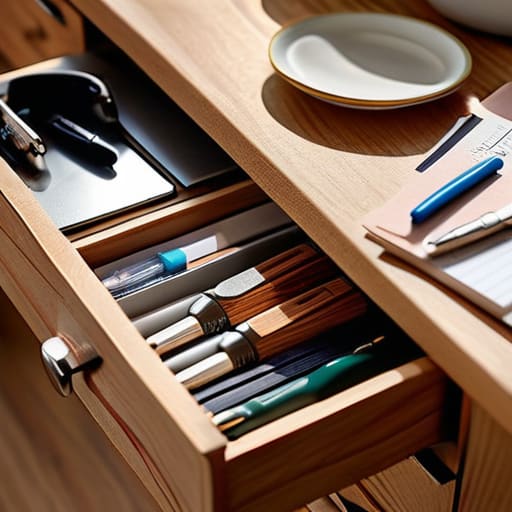
If you’re feeling overwhelmed, don’t try to tackle the whole house in one weekend—that’s a recipe for burnout. Instead, I recommend starting with some simple decluttering techniques for beginners that focus on small, manageable wins. I like to think of it like debugging a massive codebase; you don’t fix everything at once, you isolate the bugs. Pick one single drawer or even just your junk mail pile. Once you clear that tiny space, you’ll get that little hit of dopamine that makes you want to keep going.
Once the excess is gone, the real magic happens when you implement effective storage solutions that actually work for your lifestyle. I’m a huge fan of using clear bins or labeled containers—it’s basically just good documentation for your stuff. If you can see exactly where your tools or cables live, you’re much less likely to just toss them on the counter. By treating your home like a well-optimized system, you aren’t just cleaning; you’re building a framework that makes preventing household clutter feel like second nature rather than a constant uphill battle.
Minimalist Home Organization Tips for a Stress Free Life
Once you’ve mastered the initial purge, the goal shifts from reactive cleaning to proactive systems. I like to think of this stage as optimizing your codebase; you aren’t just fixing bugs anymore, you’re building a stable architecture that prevents future crashes. Implementing minimalist home organization tips isn’t about living in a cold, empty white box. Instead, it’s about ensuring every single item in your home has a “designated home.” If an object doesn’t have a specific spot to live, it becomes a candidate for clutter.
To make this stick, I highly recommend investing in some effective storage solutions that actually work for your lifestyle. Think modular bins for your craft supplies or sleek, stackable containers for your tech cables. The secret to long-term success is simplicity. If a storage system is too complex to maintain, you won’t use it, and you’ll end up back at square one. By choosing tools that are intuitive and easy to reset, you’re essentially preventing household clutter before it even has a chance to settle in.
Automate Your Routine: 5 Pro-Tips to Keep the Chaos at Bay
- Treat your cleaning like a background process. Instead of waiting for a massive “system update” once a week, run small, five-minute micro-tasks every day—like clearing the kitchen counters before bed—to prevent clutter from piling up and crashing your productivity.
- Implement a “One-In, One-Out” rule to manage your inventory. Every time you bring a new gadget, a piece of clothing, or a new woodworking tool into your space, something old has to be donated or recycled. It’s the easiest way to prevent physical bloat.
- Use the “Touch It Once” principle. If you pick up a piece of mail or a stray screwdriver, don’t just move it from the table to the counter; put it exactly where it belongs immediately. It saves you from having to “re-process” the same mess later.
- Set up designated “docking stations” for your essentials. Just like your phone needs a charger, your keys, wallet, and tech gear need a specific home. If everything has a fixed coordinate, you’ll stop wasting mental energy searching for them when you’re in a rush.
- Leverage smart home tech to do the heavy lifting. I’m a huge fan of robot vacuums—think of them as your low-level maintenance scripts. Setting one to run while you’re at work keeps the floors clear and takes one more chore off your plate.
Quick Wins for a Smoother Home
Treat your organization like a software update; don’t try to overhaul everything at once, but rather implement small, incremental changes that make your daily routine run more efficiently.
Stop treating “stuff” like dead code—if an item isn’t serving a purpose or bringing you joy, it’s just taking up valuable memory in your living space and it’s time to delete it.
Build sustainable systems, not just temporary fixes, by assigning a “home” to every single object so you aren’t constantly debugging your mess every weekend.
Systems Over Willpower
“Stop trying to rely on sheer willpower to keep your space clean; instead, treat your home like a well-written piece of code. If you build smart, repeatable systems and automate the small stuff, you won’t have to fight your environment every single day—it’ll just run smoothly.”
Sarah Mitchell
Bringing It All Together
At the end of the day, keeping a tidy home isn’t about achieving some unattainable, Pinterest-perfect aesthetic; it’s about building sustainable systems that actually work for your specific lifestyle. Whether you’re implementing smart decluttering workflows or leaning into a minimalist approach to reduce the sheer volume of “stuff” in your life, the goal is the same: reducing the mental load. Think of these organization hacks as the operating system for your home. Once you debug the areas that cause the most friction and install a few good habits, you won’t have to spend your entire weekend playing catch-up with the mess.
I know that starting this process can feel a bit overwhelming, especially when you’re looking at a mountain of clutter or a disorganized pantry. But remember, just like learning a new programming language or tackling a complex woodworking project, you don’t have to master it all overnight. Just pick one small area, apply one new technique, and celebrate that win. You have the tools and the capability to reclaim your space and, more importantly, your peace of mind. So, grab your notebook, pick a corner, and just start building a home that supports the life you want to lead.
Frequently Asked Questions
I’ve tried decluttering before, but how do I actually stop the "clutter creep" from happening again a month later?
Honestly, I’ve been there—it feels like you win the battle only to lose the war a few weeks later. To stop the “clutter creep,” you have to stop treating tidying like a one-time project and start treating it like a system update. I like to use the “one-in, one-out” rule: if a new gadget or piece of decor comes in, something else has to go. It keeps your “storage capacity” from hitting 100% every single time.
Are there any specific apps or smart home gadgets that actually help with staying organized, or is that just more digital noise?
Honestly, it’s a fine line between helpful tools and just adding more digital noise to your life. I’ve found that the best gadgets are the ones that automate the “boring” stuff. Think smart plugs to automate lighting schedules or even just a shared family calendar app like Notion or Google Calendar to sync everyone’s chaos. If a tool doesn’t save you mental bandwidth or physical time, it’s probably just another distraction. Keep it functional, not flashy.
How do I balance keeping a tidy home without turning my living space into a sterile, uninviting museum?
Think of your home like a well-designed codebase: it needs structure to function, but it shouldn’t be so rigid that it lacks personality. I call this “functional curation.” Instead of aiming for a sterile showroom, focus on organizing the chaos while leaving “soul” in the room. Keep your favorite worn-in armchair or that stack of hobby books visible. If an item serves a purpose or brings you joy, it’s not clutter—it’s part of your home’s unique UI.