I remember sitting in my first cubicle in Silicon Valley, staring at my profile and feeling like a total fraud. I had the degree from Berkeley and the technical skills, but my digital presence felt like a hollow, robotic shell that didn’t actually say anything about who I was. I kept seeing these “gurus” posting about complex algorithms and expensive branding services, but honestly, most of those linkedin profile tips are just noise designed to make you feel like you’re failing. You don’t need a personal PR firm to stand out; you just need to stop treating your profile like a static resume and start treating it like a living, breathing part of your career.
I’m not here to give you a list of buzzwords to sprinkle over your bio just to satisfy a bot. Instead, I want to share the actual, battle-tested strategies I’ve used both as a software engineer and a coach to get noticed by the right people. We’re going to strip away the fluff and focus on making your profile work for you, turning it into a tool that opens doors rather than a chore that keeps you up at night. Let’s get to work and make your digital handshake unmistakably yours.
Table of Contents
- Perfecting Your Visual First Impression With Profile Picture Best Practices
- Crafting Personal Branding on Linkedin That Truly Inspires Confidence
- 5 Ways to Make Your Profile Work Harder for You
- Quick Wins to Keep Your Momentum Going
- ## The Real Secret to Your Profile
- Wrapping It All Up
- Frequently Asked Questions
Perfecting Your Visual First Impression With Profile Picture Best Practices
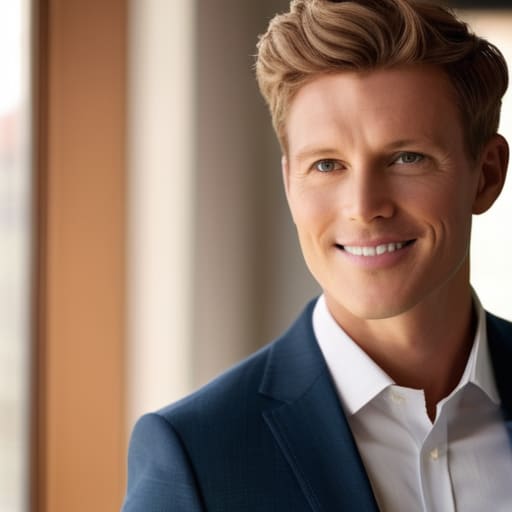
Think of your profile picture as the “digital handshake” of your online presence. Before a recruiter even reads your experience, they’ve already made a split-second judgment based on that tiny circle in the corner of the screen. When I’m working on a woodworking project, I know that the finish is what makes the piece pop, and your photo is the finish on your professional brand. To nail these linkedin profile picture best practices, aim for high resolution and natural lighting. You don’t need a professional studio, but please, skip the cropped wedding photos or the vacation shots where you’re wearing sunglasses. A simple, clean background and a friendly, approachable expression go a long way.
Beyond just looking “nice,” your photo plays a subtle role in personal branding on linkedin. It signals that you are active, professional, and ready to engage. A clear, well-lit headshot helps build immediate trust, making people more likely to click through to your full profile. If your photo feels outdated or blurry, it creates a disconnect that can actually hinder your efforts at increasing linkedin profile views. Let’s make sure your first impression is as polished as your code!
Crafting Personal Branding on Linkedin That Truly Inspires Confidence

Once you’ve got that polished headshot sorted, it’s time to move beyond just looking the part and start actually telling your story. To me, successful personal branding on LinkedIn isn’t about pretending to be a corporate robot; it’s about showing the human behind the code or the spreadsheet. Think of your headline and “About” section as your elevator pitch. Instead of just listing your current job title, try to articulate the specific problems you solve and the passion that drives you. When you write with a clear sense of purpose, you aren’t just another name in a search result—you become a person someone actually wants to grab coffee with.
I also always tell my coaching clients that your “About” section is the perfect place to weave in a bit of your unique journey. Maybe you mention how your love for woodworking taught you the patience required for debugging complex systems, or how your background in Oregon shaped your approach to collaborative teamwork. When you bridge the gap between your technical expertise and your personal values, you build a level of authentic credibility that a dry list of bullet points simply can’t match.
5 Ways to Make Your Profile Work Harder for You
- Stop treating your headline like a job title. Instead of just “Software Engineer,” try something like “Software Engineer | Building Scalable Cloud Solutions | Passionate about UX & Mentorship.” It tells people not just what you are, but what you actually bring to the table.
- Write your “About” section like you’re grabbing coffee with a mentor. Skip the third-person “Sarah is a professional…” nonsense. Use “I” and tell your story—mention why you love coding or the big problem you’re currently trying to solve. It makes you human, not just a resume on a screen.
- Don’t let your skills section become a graveyard of outdated tech. Prune away the stuff you haven’t touched since college and double down on the tools you actually want to work with next. It’s better to have ten strong, relevant skills than a list of fifty that no longer define your expertise.
- Treat your “Featured” section like a mini portfolio. Whether it’s a link to a GitHub repo you’re proud of, a blog post you wrote, or even a certification you just earned, this is prime real estate to show, not just tell, what you can do.
- Get intentional with your endorsements and recommendations. Don’t just click the button blindly; reach out to a former teammate and say, “Hey, I really valued our time working on that API migration together—would you mind writing a quick note about my approach to debugging?” A specific recommendation is worth ten generic ones.
Quick Wins to Keep Your Momentum Going
Don’t just list your duties; treat your experience section like a highlight reel of your wins and the tools you used to get there.
Get active in the comments section of industry leaders to turn your profile from a static resume into a living, breathing conversation.
Regularly update your skills and endorsements to ensure the LinkedIn algorithm actually knows what you’re capable of doing.
## The Real Secret to Your Profile
“Don’t treat your LinkedIn profile like a static resume you upload and forget; treat it like a living, breathing project. It’s not about checking boxes for an algorithm, it’s about telling your story in a way that makes someone want to grab a coffee with you and talk shop.”
Sarah Mitchell
Wrapping It All Up

We’ve covered a lot of ground today, from picking that perfect, professional headshot to weaving a personal brand that actually feels like you. Remember, your LinkedIn profile isn’t just a static digital resume sitting in a database; it’s a living, breathing extension of your professional identity. By focusing on a clear visual presence and a narrative that highlights your unique value, you’re doing more than just filling out fields—you’re building a foundation for every connection you’ll make from here on out. It might feel a little daunting to put yourself out there, but treating your profile like a well-crafted project makes the whole process much more manageable.
At the end of the day, I want you to remember that no one starts with a perfect profile. Just like when I’m working on a new woodworking piece, sometimes you have to sand things down, fix a few mistakes, and refine the edges before the final product truly shines. Don’t let the fear of “not being ready” keep you from hitting that publish button. Technology and career growth are both continuous journeys of iteration. So, take what you’ve learned, make those tweaks, and step into the digital arena with confidence. You have incredible skills to offer, and I can’t wait to see where these new connections take you!
Frequently Asked Questions
I don't have a professional headshot—can I just use a nice photo from my last vacation, or is that a total dealbreaker?
Honestly, I get it—professional headshots can be pricey and a bit awkward to schedule. But I’d steer clear of the vacation photo. If you’re in front of a sunset or holding a cocktail, it sends a “casual” signal that might clash with the professional vibe you’re building. Instead, grab a friend, find a plain wall with good natural light, and snap a clear portrait. It’s free, easy, and much more effective!
How much of my "About" section should be about my actual technical skills versus my personality and hobbies?
Think of your “About” section as the bridge between your resume and your real self. I usually recommend a 70/30 split. Use about 70% to highlight your technical toolkit and the “why” behind your engineering work—that’s what gets you past the initial screening. Use the remaining 30% to sprinkle in your personality. Mentioning your love for woodworking or a quirky side project makes you a human, not just another line of code.
Should I be connecting with everyone I've ever worked with, or will that make my feed look cluttered and unprofessional?
Honestly, I’d lean toward quality over quantity here. Think of your network like a well-organized workshop; if you throw every random scrap in there, you can’t find the tools you actually need. Definitely connect with former colleagues—they’re your biggest advocates! But if someone feels like a total stranger, maybe skip it. You want a feed that fuels your growth, not one that feels like digital clutter. Keep it intentional.