I used to think that a “perfect” evening routine required a ten-step skincare regimen, a meditation app that cost twenty bucks a month, and enough lavender oil to scent a whole forest. Honestly? It felt like just another performance I had to maintain after a long day of debugging code and sitting in meetings. Most of the advice you see online is just expensive fluff designed to sell you products you don’t need, rather than actually helping you decompress. I realized that a real, functional evening routine isn’t about adding more tasks to your to-do list; it’s about strategic subtraction and finding ways to actually turn your brain off.
In this post, I’m stripping away all the aesthetic nonsense to give you the practical, tech-friendly habits that actually work for someone with a busy life. I’ll be sharing the exact framework I use to transition from “high-intensity engineer mode” to actual rest, using a few smart digital boundaries and simple, low-tech rituals. No gatekeeping and no fluff—just straightforward, actionable steps to help you reclaim your downtime and show up as your best self tomorrow.
Table of Contents
Smart Sleep Hygiene Tips to Optimize Your Rest
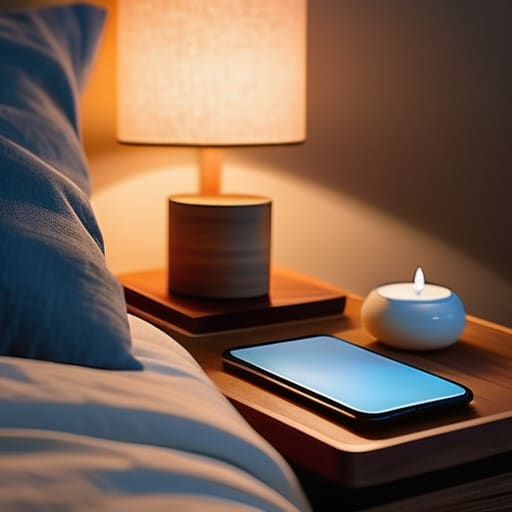
When I first started working in Silicon Valley, my brain felt like it had fifty browser tabs open at all times, even when I was under the covers. I realized that just lying there wasn’t enough; I needed actual sleep hygiene tips that addressed my constant connectivity. One of the most effective changes I made was implementing a strict digital detox before bed. Instead of scrolling through LinkedIn or debugging code in my head, I started putting my phone in a charging station across the room about thirty minutes before lights out. This simple boundary helps signal to your nervous system that the workday is officially over.
To fill that newly created gap, I’ve leaned into some low-tech relaxing bedtime activities that don’t involve a glowing screen. Lately, I’ve been pairing a bit of light reading with a consistent nighttime skincare routine—it sounds small, but that tactile, repetitive process acts as a great mental anchor. If your mind is still racing with project ideas, I highly recommend trying some pre-sleep mindfulness practices, like a quick five-minute breathing exercise, to help transition from “problem-solving mode” into actual rest.
A Digital Detox Before Bed for Mental Clarity

I’ll be the first to admit that as a software engineer, my brain is practically hardwired to stay plugged in. It’s so easy to fall into the trap of “just one more email” or scrolling through tech news until my eyes burn. But I’ve learned the hard way that if I don’t implement a digital detox before bed, my mind stays in high-gear, looping through code logic or project deadlines all night long. It’s not just about the blue light; it’s about the mental stimulation that keeps your nervous system on edge.
To combat this, I’ve started swapping my phone for some low-tech relaxing bedtime activities. Instead of a screen, I’ll grab my notebook to sketch out a quick woodworking design or just read a physical book. If you’re struggling to disconnect, try setting a “tech curfew” an hour before you want to drift off. This simple boundary is one of the most effective ways of improving sleep quality because it gives your brain the permission it needs to finally power down.
My Go-To Tactics for a Smooth Transition from Work Mode to Chill Mode
- Prep your workspace for tomorrow morning. I’ve found that spending just ten minutes tidying my desk and closing out all those unnecessary browser tabs helps me mentally “shut down” my engineer brain so I’m not thinking about code while I’m trying to relax.
- Set up an automated “Wind-Down” mode on your devices. Instead of relying on willpower to stop scrolling, I use my phone’s built-in settings to automatically dim the lights and silence non-essential notifications an hour before bed. It’s a total game-changer for reducing that late-night anxiety.
- Try a low-tech hobby to decompress. Whenever I feel my brain is still buzzing from a day of staring at screens, I reach for my woodworking tools or a simple sketchpad. Doing something tactile helps ground me in a way that clicking a mouse never will.
- Use a “Brain Dump” in your notebook. One of my favorite quirks is keeping a small notebook by my bed. If a random project idea or a work task pops into my head, I jot it down immediately. Once it’s on paper, my mind feels permission to let go of it until morning.
- Curate a specific “Evening Flow” playlist. I like to use smart speakers to trigger a specific, low-tempo playlist at a certain time. It creates a sensory cue that tells my body, “Hey, the workday is officially over, and it’s time to reset.”
My Quick Cheat Sheet for a Better Night
Don’t underestimate the power of a “tech shutdown”—giving your brain a clear signal that the workday is over is just as important as the sleep itself.
Treat your bedroom like a sanctuary by using smart tech to automate your environment, whether that’s dimming the lights or setting a consistent temperature.
Consistency beats perfection every single time; even if you can’t do the full routine, picking just one small habit can totally shift your morning energy.
Why the Wind-Down Matters
“Think of your evening routine like a graceful shutdown sequence for a computer; you can’t just pull the plug and expect everything to run smoothly tomorrow—you need to save your progress, close the heavy tabs in your brain, and give yourself the space to actually reboot.”
Sarah Mitchell
Bringing It All Together

At the end of the day, building a solid evening routine isn’t about achieving perfection or following a rigid, robotic schedule. It’s really about finding those small, intentional shifts—like setting your phone aside for a digital detox or tweaking your sleep environment—that actually make a difference in how you feel when that alarm goes off. Whether you’re optimizing your smart home settings for better rest or just carving out twenty minutes to step away from the screen, these habits act like the foundational sanding on a piece of furniture; they smooth out the rough edges of a stressful day so you can start fresh.
I know that life in tech and the constant hustle of a career can make it feel like we should always be “on,” but I promise you, the most productive thing you can do is learn how to truly unplug. Don’t feel like you have to overhaul your entire life overnight. Just pick one small thing from this list and try it out tonight. You might be surprised at how much clarity and energy you gain just by giving yourself permission to reset. You’ve got this, and I can’t wait to hear how these small changes start transforming your mornings.
Frequently Asked Questions
How do I stick to a routine when my work schedule or coding projects keep me up late?
I totally get it—when you’re deep in a flow state or debugging a stubborn piece of code, “going to bed at 10 PM” feels impossible. Instead of fighting your natural rhythm, try building a “buffer routine.” If you’re working late, give yourself a hard 20-minute transition period after closing your laptop. Use that time to jot down your progress in your notebook so your brain can actually let go of the logic.
Are there any specific apps or smart home gadgets you'd recommend to help automate a wind-down routine?
Honestly, I’m a huge fan of using tech to actually disconnect. I love setting up smart lighting—like Philips Hue—to gradually shift to warmer, amber tones as my bedtime approaches; it’s a total game-changer for melatonin production. For my phone, I rely on the “Sleep Focus” mode on iOS to silence everything but emergencies. If you want to get fancy, a dedicated white noise machine or an app like Calm can really help quiet the mental chatter.
What should I do if I have a sudden burst of creative energy or a "eureka moment" right when I'm supposed to be unplugging?
Oh, I’ve been there! It’s like my brain decides to solve a complex debugging problem or sketch out a new furniture design right when my eyes are closing. Don’t fight it, but don’t let it hijack your sleep either. Grab that little notebook I’m always talking about and jot down the core idea. Once it’s on paper, your brain can “release” the thought, knowing it’s safe for tomorrow. Then, get back to unplugging.