I used to spend way too much money on those aesthetic, color-coded planners and high-end productivity apps, thinking that if I just found the “perfect” system, my life would suddenly fall into place. It was total nonsense. I’d spend more time customizing my digital dashboard than actually getting any work done, which is a special kind of burnout I wouldn’t wish on anyone. The truth is, most of the “expert” advice out there makes learning how to build a routine feel like a full-time job in itself, rather than a tool to actually free up your time.
I’m not here to sell you on a lifestyle overhaul that requires a complete personality transplant. Instead, I want to share the practical, slightly messy, and highly effective methods I’ve used to balance a demanding software engineering career with my love for woodworking. I’m going to show you how to leverage simple tech and small, sustainable habits to create a structure that actually sticks. No fluff, no expensive subscriptions—just real-world strategies that work when life inevitably gets chaotic.
Table of Contents
Mastering Habit Stacking Techniques for Seamless Growth
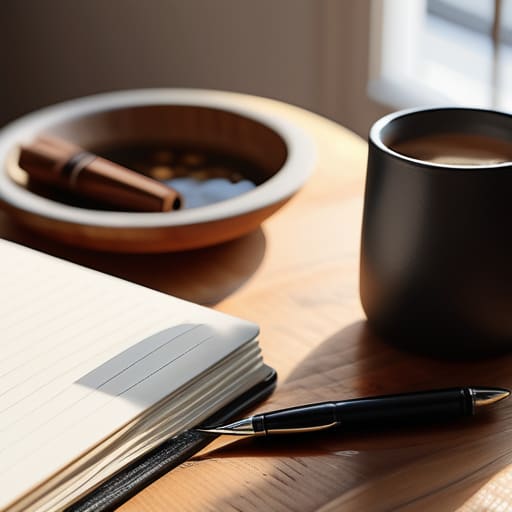
One of my favorite ways to make a new habit stick without feeling like I’m forcing it is through habit stacking techniques. Think of it like building a modular piece of furniture; you aren’t starting from scratch every time, you’re just attaching a new component to something that’s already solid. If you already have a rock-solid habit—like brewing your morning coffee—you can “stack” a new one right on top of it. For example, while that coffee is dripping, you could spend five minutes jotting down your top three goals for the day in that little notebook of mine. By anchoring a new action to an existing trigger, you stop relying on sheer willpower and start relying on momentum.
This approach is a total game-changer for building consistent habits because it removes the mental friction of deciding when to do something. Instead of staring at your to-do list and feeling overwhelmed, you just follow the chain of events. I’ve found that this works just as well for an evening wind down ritual as it does for a high-energy morning. Once you connect these small wins together, you aren’t just checking boxes; you’re engineering a lifestyle that actually flows.
Designing a High Impact Morning Routine for Productivity

I used to think a “productive” morning meant waking up at 5:00 AM and running a marathon before breakfast, but honestly? That was a recipe for burnout, not success. After years of trial and error in the fast-paced Silicon Valley grind, I’ve learned that the best morning routine for productivity isn’t about doing more; it’s about doing what actually prepares your brain for the day ahead. For me, that means ditching the immediate phone scroll and replacing it with something tactile—like sketching a quick design in my notebook or even just enjoying a coffee without a screen in sight.
The secret is to treat your morning like a well-architected piece of software: it needs a logical flow. I like to start with a small “win,” like making my bed or a quick five-minute stretch, to build immediate momentum. When you focus on building consistent habits through these small, manageable wins, you’re essentially programming your brain to expect success. By the time you actually sit down at your desk, you aren’t fighting your own willpower; you’re already in the zone.
5 Ways to Keep Your Routine from Crashing and Burning
- Don’t try to rewrite your entire life in one weekend. Just like when I’m refinishing an old dresser, you can’t sand down the whole thing at once or you’ll lose control. Start with one small tweak—maybe it’s just checking your calendar before bed—and build from there.
- Audit your digital clutter. If your phone is constantly pinging you with non-essential notifications, your “routine” is basically being hijacked every ten minutes. Use Focus modes or app timers to create some digital breathing room so you can actually stick to your plan.
- Build in “buffer blocks.” Life happens—a bug in your code, a late meeting, or just a bad night’s sleep. If your schedule is packed tight like a rigid piece of timber, it’ll snap under pressure. Leave some white space in your day to catch up when things go sideways.
- Use tech to do the heavy lifting. I’m a huge fan of using automation to take the mental load off. Set up recurring tasks in your project management tool or even just simple phone reminders. If you don’t have to remember to do it, you’re much more likely to actually do it.
- Review and refactor your week. Every Sunday, take ten minutes to look at what actually worked and what felt like a total chore. If a certain habit isn’t sticking, don’t beat yourself up—just debug it. Change the timing, change the tool, or scrap it entirely and try something new.
Quick Wins to Keep Your Momentum Going
Don’t try to overhaul your entire life overnight; start by stacking one tiny new habit onto something you already do without thinking, like checking your email or brewing coffee.
Use your tech to your advantage by setting up smart reminders or habit-tracking apps, but keep them simple so they support your goals instead of becoming another source of digital clutter.
Be kind to yourself when things go off the rails—life happens, and if you miss a day, just treat it like a bug in your code: identify what went wrong, patch it, and get back to running the program.
The Secret to Making it Stick
“Building a routine isn’t about achieving some impossible, robotic perfection; it’s about engineering small, repeatable wins that actually fit into your real, messy life.”
Sarah Mitchell
Bringing It All Together

At the end of the day, building a routine isn’t about achieving some impossible level of perfection or turning yourself into a robot. It’s about using those little wins—like mastering habit stacking or reclaiming your morning—to create a foundation that actually supports your goals. Whether you’re leveraging a new productivity app to track your progress or just trying to find ten minutes of quiet before the chaos starts, remember that every small adjustment counts. The goal is to engineer a life that works for you, rather than constantly fighting against your own natural rhythm.
If I’ve learned anything from both my time in software engineering and my time in the woodworking shop, it’s that the best results come from consistent, incremental progress. You don’t build a beautiful piece of furniture or a flawless codebase in a single afternoon; you do it one precise cut or one line of code at a time. So, don’t get discouraged if your new routine hits a snag this week. Just grab your notebook, jot down what worked and what didn’t, and keep iterating. You’ve totally got this, and I can’t wait to see how these new habits help you level up!
Frequently Asked Questions
What should I do if I totally blow my routine one day—should I just scrap the whole thing and start over?
Oh, I have been there—trust me. One day I missed my morning workout and my coding block, and I felt like the whole week was a wash. But please, don’t scrap it! Think of it like woodworking: if you make one wrong cut, you don’t throw the whole piece of timber in the trash. You just sand it down and make the next cut better. Just reset and jump back in tomorrow.
I’m already super busy with work; how can I actually fit these new habits in without feeling burnt out?
I totally hear you—the last thing I want is for a “productivity routine” to feel like a second job. When I’m swamped at my dev job, I lean on “micro-habits.” Instead of a 30-minute coding session, try just five minutes while your coffee brews. Think of it like sanding a piece of furniture; you don’t do it all in one go, or you’ll lose your mind. Start tiny, keep it low-pressure, and scale up only when it feels easy.
Are there any specific apps or digital tools you recommend to help me track my progress without it feeling like another chore?
I totally get that. If tracking feels like a second job, you won’t stick with it. I love Habitica if you want to turn your life into a little RPG—it makes checking off tasks feel like leveling up a character. If you prefer something cleaner, Streaks is amazing for keeping things visual and simple. Honestly, even just a dedicated Notion page works wonders. The goal is to make it frictionless, not frustrating!