I was hunched over a dusty cardboard box in my garage last weekend, surrounded by half-finished woodworking projects and old tech scraps, when I realized I was staring at my grandmother’s vintage sewing kit. My heart did that heavy, sinking thing—the one where you feel like letting go of an object is somehow betraying the person who gave it to you. We’ve all been told that we need to “honor our memories” by keeping every single trinket, but honestly? That’s just a recipe for a home that feels more like a museum than a living space. Decluttering sentimental items shouldn’t feel like a funeral; it should feel like making room for the person you are today.
I’m not here to sell you on some expensive, high-end organizational system or tell you to just “toss it all” and move on. Instead, I want to share the pragmatic, slightly nerdy approach I use to bridge the gap between preserving history and maintaining a functional life. I’ll show you how to use simple digital tools to archive your memories and how to apply a little engineer’s logic to the emotional weight of your belongings. Let’s get your space back without losing your soul in the process.
Table of Contents
Navigating Emotional Attachment to Objects Without the Guilt

I know exactly how it feels to stare at a box of old concert tickets or a hand-knit sweater from your grandma and feel that immediate pang of guilt. It’s like if you let go of the item, you’re somehow letting go of the person or the memory itself. But here’s the thing I’ve learned through years of both coding and woodworking: value isn’t found in the physical mass of an object. When we struggle with an emotional attachment to objects, we often mistake the container for the actual experience.
To navigate this without the heavy heart, I recommend shifting your perspective from “losing something” to “honoring something.” Instead of trying to keep everything, try digital archiving for keepsakes. Take a high-quality photo of that chipped ceramic mug or that old sketchbook. Once it’s captured in a digital space, you can often let the physical version go, knowing the memory is safely backed up. It’s about finding a balance where you keep the essence of the moment without letting the physical clutter weigh down your current life.
Practical Strategies for Letting Go of Childhood Mementos
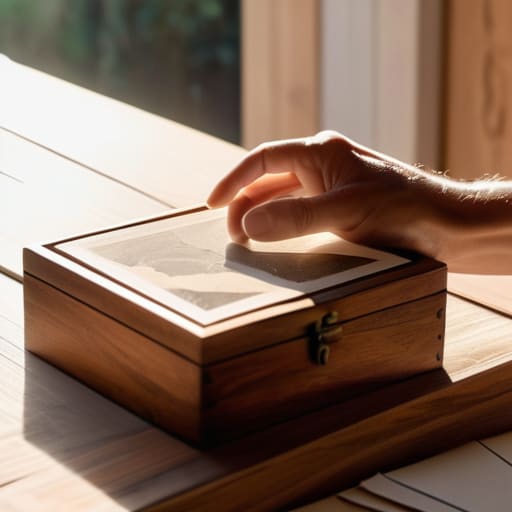
When it comes to letting go of childhood mementos, I’ve found that the “all or nothing” approach is the fastest way to end up in tears on your living room floor. Instead, try the “one-in, one-out” rule for your most precious items. If you have a mountain of old school projects, pick the single most representative piece—maybe that one award or a specific sketch—and let the rest go. It’s not about erasing your history; it’s about curating it so the truly important stuff actually has room to breathe.
If the physical bulk is still feeling overwhelming, I highly recommend leaning into some tech-driven solutions. Digital archiving for keepsakes has been a total game-changer for me. I spent a weekend scanning old letters and photographing my childhood trophies, and now I have all that nostalgia sitting in a neatly organized cloud folder. You get to keep the memory without the physical footprint. This way, you can honor your past through meaningful snapshots rather than letting dusty boxes take over your guest room.
My Go-To Toolkit for Sorting Through the Heartstrings
- Digitizing the physical: If you have a bulky collection of old letters or childhood drawings, take high-res photos or use a scanner. You get to keep the memory and the visual connection without the physical footprint taking up your entire desk.
- The “One Box” Rule: Pick one beautiful, sturdy storage bin for your most precious items. Once that box is full, something else has to go before something new can enter. It forces you to prioritize what truly sparks that connection.
- Use the “Proxy” method: If you have a massive, heavy item—like an old piece of furniture from a grandparent—try taking a detailed photo of it or finding a small, symbolic miniature that represents it. It honors the history without the heavy lifting.
- Host a “Memory Swap”: Sometimes we hold onto things because we think they’re valuable, but they’re actually just taking up space. If you have items that hold sentimental value to you but might be useful to someone else, donate them to someone who will actually use them. It turns “letting go” into “giving back.”
- Set a “Decision Timer”: When you’re spiraling into an emotional loop over a single object, give yourself five minutes. If you can’t decide, put it in a “maybe” pile and walk away. Don’t let one item stall your entire afternoon of progress.
Quick Wins for Your Sentimental Sorting
Treat your memories like data; if a physical object isn’t providing “value” to your current life, digitize it with a high-res photo so you keep the memory without the physical footprint.
Use the “Box Method” to create a buffer zone—tuck items you’re unsure about into a dedicated bin for 30 days to see if you actually miss them or if you’re just reacting to the nostalgia.
Focus on curation over collection; instead of keeping every scrap of paper from a trip, pick one standout item that truly tells the story and let the rest go to make room for new experiences.
Finding the Balance
“Think of decluttering not as erasing your past, but as upgrading your present; you aren’t throwing away the memory, you’re just deciding that the person you are today deserves more breathing room than the things you were ten years ago.”
Sarah Mitchell
Making Room for What Matters
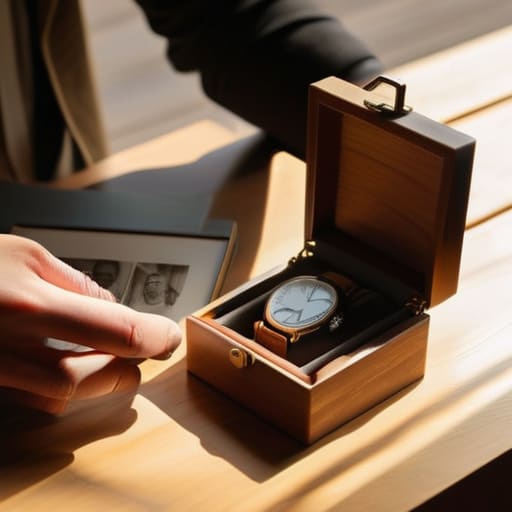
At the end of the day, decluttering your sentimental items isn’t about erasing your history or throwing away your past; it’s about curating your legacy. We’ve talked about navigating that heavy sense of guilt, setting boundaries with childhood mementos, and using more intentional systems to decide what truly deserves a spot on your shelf. Whether you decide to digitize those old sketches in my notebook or finally part with that bulky heirloom, remember that the goal is to move from being a curator of “stuff” to a curator of meaning. By being selective, you aren’t losing your memories—you’re actually giving the most important ones the space they deserve to breathe.
I know it feels daunting, especially when you’re staring at a box of memories that feels impossible to sort through. But I promise you, there is so much freedom on the other side of that clutter. As I often tell my mentees when they are pivoting careers or tackling a massive DIY renovation, progress requires space. You need physical and mental room to build your next chapter, to learn that new coding language, or to start that woodworking project you’ve been dreaming about. So, take a deep breath, grab your notebook, and just start with one small box. You’ve got this, and I can’t wait to see how much lighter you feel once you’ve made room for your future.
Frequently Asked Questions
How do I decide which items are actually worth keeping versus what I'm just holding onto out of habit?
I always tell my coaching clients to run a “utility vs. memory” test. Grab your notebook and ask yourself: Does this object spark a genuine, active connection to who I am now, or am I just preserving a ghost of who I used to be? If you’re only keeping it because it’s “there,” it’s just physical debt. If it doesn’t serve your current life or inspire a new project, it’s time to let it go.
Is there a way to digitize these memories so I can let go of the physical clutter without losing the sentiment?
Absolutely! This is where my tech brain and my sentimental heart actually work together perfectly. Honestly, digitizing is a total game-changer. You can use a high-res scanner for letters or even just a quick photo shoot with your phone for those old sketches. Once they’re in a dedicated cloud folder or a digital photo frame, you get to keep the memory without the dusty box taking up space in your guest room.
What should I do if my family members or partner have a completely different emotional connection to these objects?
This is where things get tricky—and honestly, a little messy. When you’re on different pages, you can’t just apply a logic-based system and expect everyone to follow suit. My advice? Start with a conversation, not a cleaning spree. Try to understand why they’re holding on. Sometimes, a compromise like digitizing a photo or creating a “memory box” for their treasures can honor their connection without letting the clutter take over your shared space.