I was halfway through sanding down an old mid-century dresser last weekend—one of those projects that requires total focus and a really good playlist—when I saw it: a tiny, frantic shadow scurrying behind my toolbox. It was a small moment, but it immediately triggered that “oh no” feeling we’ve all had. It’s incredibly frustrating because most advice on how to prevent pests at home feels like it’s either designed to sell you a $50 chemical spray that smells like a laboratory or a complicated ritual that takes all afternoon. Honestly, when you’re just trying to enjoy your space, you don’t need a chemistry degree or a massive budget; you just need a system that actually works.
I’m not here to sell you on miracle cures or overly complex gadgets. Instead, I want to share a few pragmatic, low-tech strategies that I’ve learned through trial, error, and a lot of DIY tinkering. We’re going to look at this like a simple debugging process for your living space: identifying the vulnerabilities and patching them up. My goal is to give you actionable, no-nonsense steps to reclaim your home so you can get back to what matters, whether that’s coding, woodworking, or just relaxing in peace.
Table of Contents
Identifying Common Household Pests to Stay One Step Ahead
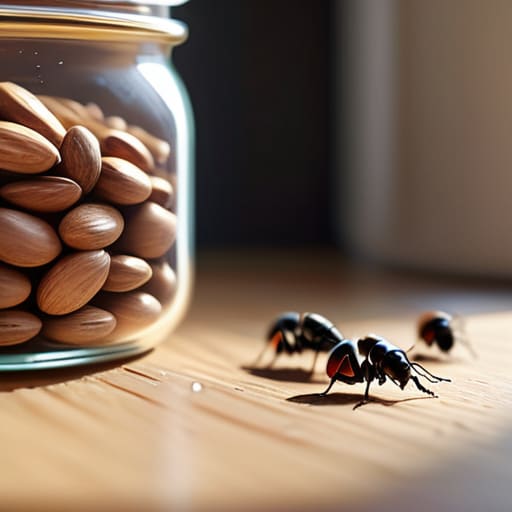
Before you can start any real “debugging” process for your home, you have to know exactly what kind of bugs are running in your system. I like to think of identifying common household pests as the first step in a technical audit; you wouldn’t try to fix a broken line of code without knowing what the error message is, right? For instance, if you notice tiny, dark specks near your pantry, you’re likely dealing with ants or even pantry moths. If you see small, silver-colored insects darting across the bathroom floor, those are probably silverfish, which thrive in high-humidity areas.
Once you’ve spotted the culprits, you can start looking for their “entry points.” I’ve learned through a few messy DIY projects that most invaders are just looking for a way in or a snack. This is where pest proofing kitchen and pantry areas becomes your most effective defense. Look for telltale signs like chewed packaging or small droppings, which act like log files showing you exactly where the breach occurred. Knowing whether you’re fighting a moisture-loving cricket or a crumb-seeking ant changes your entire strategy from reactive to proactive.
Sealing Cracks and Crevices for a Secure Living Space
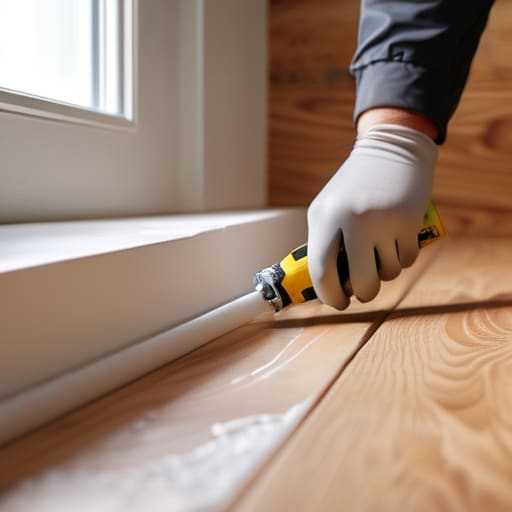
Once you’ve finished identifying common household pests, it’s time to move from observation to action. Think of sealing cracks and crevices as the physical firewall for your home; just like closing a security vulnerability in a piece of code, you’re essentially cutting off the entry points that bugs use to bypass your defenses. I usually grab my toolkit and a few tubes of high-quality silicone caulk to tackle this. Focus on the “low-hanging fruit” first—the gaps around baseboards, where plumbing pipes enter the walls under the sink, and even those tiny spaces around window frames.
Don’t underestimate the power of a thorough sweep. I’ve found that even a hairline fracture in your exterior foundation can act as an open invitation for ants or spiders. If you’re tackling pest proofing kitchen and pantry areas specifically, pay extra attention to the gaps behind your appliances. It’s a bit of a chore, but taking an afternoon to patch these holes is much more effective (and much more satisfying) than constantly playing catch-up with traps once the intruders have already moved in.
5 Proactive Hacks to Keep Your Space Pest-Free
- Think of your kitchen like a codebase—if you leave “bugs” (crumbs and spills) in the system, you’re basically inviting trouble. I always try to do a quick sweep of the counters every night; keeping surfaces dry and debris-free is the simplest way to deny pests the resources they need to move in.
- Don’t let your trash become a buffet. I’ve learned the hard way that a loose-fitting bin lid is basically an open invitation for ants and roaches. Invest in some high-quality, airtight bins, and make sure you’re taking the trash out regularly to keep those scent trails from leading pests right to your door.
- Manage your moisture levels like you’d manage a server’s temperature. Pests like silverfish and centipedes crave humidity, so check under your sinks for leaky pipes or damp spots. Fixing a small drip early on is way easier than dealing with a full-blown infestation later.
- Organize your pantry with a bit of a “security mindset.” Instead of leaving half-open bags of flour or cereal in the cupboard, transfer them into airtight glass or plastic containers. It’s a small DIY upgrade that creates a physical barrier that most pests just can’t breach.
- Declutter your storage areas to eliminate hidden “nooks and crannies.” I love upcycling old boxes, but if you have piles of cardboard or old newspapers sitting in the garage, you’re essentially building a luxury hotel for bugs. Keep your storage organized and use plastic bins where possible to make your space less hospitable to uninvited guests.
Quick Wins for a Pest-Free Home
Think of pest prevention like a proactive system update for your house—catching small cracks and sealing them early prevents a much bigger “system crash” later on.
Knowledge is your best debugging tool; once you can identify exactly which pests are trying to crash your space, you can apply much more targeted and effective solutions.
Don’t underestimate the power of small, consistent habits, whether that’s tidying up your kitchen or checking your seals, to keep your home’s “security firewall” strong.
The Proactive Mindset
“Think of pest prevention like a system upgrade for your home: you don’t wait for a critical error to happen before you patch the vulnerabilities; you seal the cracks and optimize your environment so the bugs never get a chance to run their code.”
Sarah Mitchell
Bringing It All Together
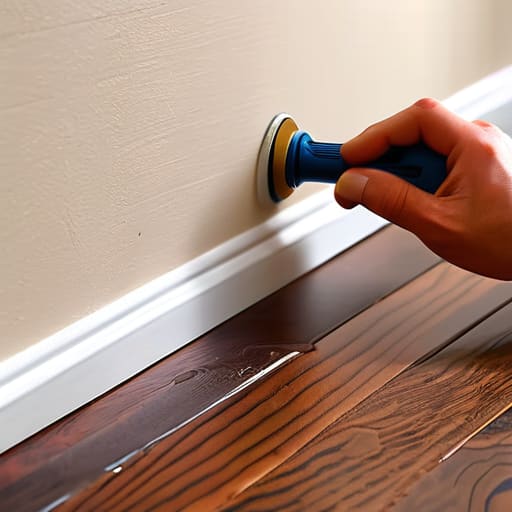
At the end of the day, keeping your home pest-free isn’t about one massive, overwhelming overhaul; it’s about the small, consistent wins. We’ve talked about the importance of knowing your “enemy” by identifying common pests, and how a little bit of elbow grease spent sealing up those tiny cracks can make a massive difference. Think of it like debugging a piece of code—you’re just identifying the vulnerabilities and patching them before they cause a system crash. By staying on top of your cleaning habits and maintaining your home’s physical defenses, you’re building a proactive shield that keeps your living space comfortable and secure.
I know that tackling home maintenance can sometimes feel like just another chore on an endless to-do list, but try to look at it through a different lens. Every time you fix a leak or seal a gap, you aren’t just preventing bugs; you are investing in your sanctuary. Whether you’re applying your tech-minded logic to home upkeep or picking up a caulk gun for a weekend DIY project, you are taking agency over your environment. Don’t be afraid to start small. Once you see how much control you have over your space, you’ll find that mastering the little things leads to a much more confident, peaceful life.
Frequently Asked Questions
Are there any specific smart home gadgets or tech-based sensors you'd recommend for monitoring pest activity without having to do constant manual inspections?
Honestly, I love this question because it treats pest control like the system optimization problem it actually is. If you want to move away from manual inspections, I’d recommend looking into smart motion sensors or even smart cameras with night vision; they can ping your phone the second something moves in a dark corner. There are also specialized moisture sensors—since many pests, like silverfish, thrive in damp areas, catching a leak early via an app can stop an infestation before it starts!
Since I love upcycling old furniture, what are some DIY ways to make sure I'm not accidentally bringing hitchhiking bugs into my house from thrift store finds?
Since I spend so much time at thrift stores and flea markets, I’ve learned the hard way: always inspect your finds before they hit your living room. I treat every piece of upcycled furniture like a new piece of hardware that needs a security scan. I always check deep inside drawers and upholstery for tiny eggs or debris. My rule of thumb? Vacuum everything thoroughly and give items a quick heat treatment or a wipe-down with vinegar before bringing them inside.
I'm trying to keep things as natural as possible—are there any effective, non-toxic DIY solutions that actually work as well as the heavy-duty store-bought stuff?
Honestly, I’m a huge fan of the “low-tox” approach, especially since I spend so much time upcycling old furniture and hate breathing in harsh fumes. You don’t always need the heavy-duty chemicals. For ants, I swear by a simple vinegar and water spray—it disrupts their scent trails perfectly. For spiders or creepy-crawlies, peppermint oil diluted in water works wonders. It’s like a software patch for your home: simple, effective, and much cleaner.