I remember sitting on the floor of my first tiny apartment in San Francisco, surrounded by half-unpacked boxes and the sterile, cold glow of a single overhead light. I had this idea that I needed to spend thousands on designer furniture to finally feel settled, but honestly? That felt more like a showroom than a sanctuary. I realized then that learning how to make your home cozy isn’t about following a Pinterest board or buying every expensive candle on the market; it’s about the intentional layers you add to a space to make it actually feel like yours.
I’m not here to sell you a lifestyle overhaul or a massive renovation budget. Instead, I want to share the practical, slightly nerdy, and very DIY approach I’ve used to transform my own spaces—from hacking smart lighting to upcycling old finds from the thrift store. I’ll be giving you the no-nonsense blueprint for creating a warm, inviting atmosphere using a mix of clever tech and simple hands-on projects. Let’s skip the fluff and get straight to the stuff that actually works.
Table of Contents
Warm Lighting for Living Rooms and Smart Ambiance
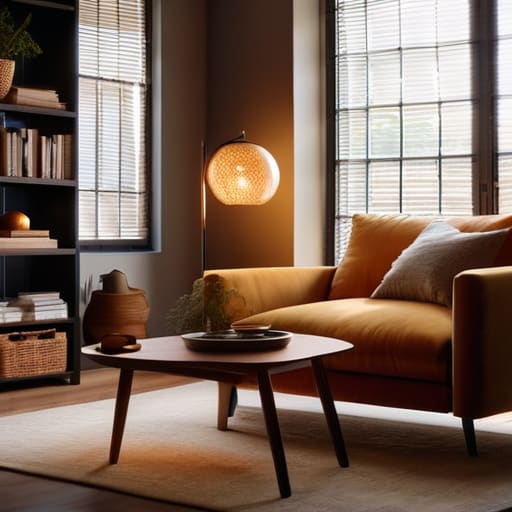
If there’s one thing I’ve learned from my time spent tinkering in my workshop and staring at code for hours, it’s that harsh, overhead lighting is the ultimate mood killer. To really nail that sense of warm lighting for living rooms, you have to stop relying on the “big light.” Instead, think in layers. I love using a mix of floor lamps with linen shades and small accent lamps tucked into bookshelves. If you’re feeling a bit more tech-savvy, a few smart bulbs are a total game-changer. You can program them to dim automatically as the sun goes down, which is a huge part of creating a sanctuary at home without having to lift a finger every single evening.
I’m also a huge fan of using smart plugs to automate your ambiance. Imagine walking through the door after a long day at the office and having your lamps already glowing at a soft, amber hue. It’s such a simple way to achieve indoor atmosphere enhancement through a bit of low-effort automation. It’s not about having a high-tech showroom; it’s about using these tools to make your space feel intentional and, most importantly, restorative.
Indoor Atmosphere Enhancement Through Automated Comfort
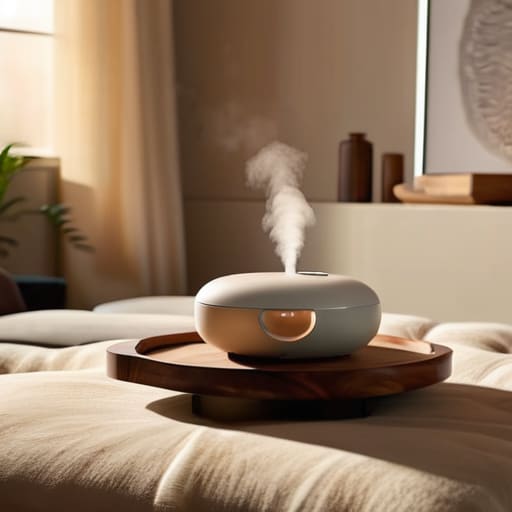
Once you’ve nailed the lighting, the next step is looking at how your environment actually feels on a sensory level. I’m a big believer in using a little bit of automation to handle the heavy lifting of indoor atmosphere enhancement. For me, that means setting up a smart thermostat and a few connected essential oil diffusers. There is something incredibly grounding about walking through the door after a long day at the office and having the temperature already dialed into that perfect, slightly toasted warmth, paired with a faint scent of cedar or lavender. It’s about removing those tiny friction points that keep you from truly relaxing.
Beyond the tech, don’t overlook the power of tactile layers. If you want to lean into a minimalist cozy aesthetic, you don’t need to clutter your space with knick-knacks; instead, focus on high-quality textiles for home comfort. I love swapping out thin cotton throws for something with a bit more weight, like a chunky knit or a soft wool blend. It’s a simple, low-effort way to make your space feel intentional and curated, turning your living area into a genuine sanctuary where you can actually decompress.
Small Tweaks, Big Vibes: My Go-To Cozy Essentials
- Layer your textures like a pro. Don’t just settle for one flat throw blanket; mix a chunky knit with some velvet pillows to give your sofa that “sink-in” feeling that makes you never want to leave.
- Bring the outdoors in with low-maintenance greenery. I’m a huge fan of snake plants or pothos—they’re nearly impossible to kill and they instantly soften those harsh, sterile corners of a room.
- Create a dedicated “analog corner.” Even in a tech-heavy world, I love setting aside one nook with a comfortable chair and a physical book, away from all my screens, to help my brain actually decompress.
- Use scent to anchor the mood. Whether it’s a high-quality soy candle or a simple essential oil diffuser, finding a “signature scent” for your home can subconsciously tell your brain it’s time to relax.
- Upcycle some character with DIY decor. Instead of buying mass-produced trinkets, try upcycling an old wooden crate into a side table or refinishing a thrifted lamp; it adds a soulful, lived-in touch that store-bought items just can’t mimic.
Quick Wins for a Cozier Home
Don’t underestimate the power of smart lighting; swapping out harsh overheads for dimmable, warm-toned smart bulbs is the fastest way to shift your home’s vibe from “office” to “sanctuary.”
Leverage automation to handle the heavy lifting, like setting your thermostat to kick in right before you get home, so you’re always walking into a space that feels welcoming.
Keep it practical by mixing tech with tactile DIY elements—think smart plugs for your favorite floor lamps or adding some upcycled wooden accents to soften the look of your gadgets.
The Soul of a Space
“At the end of the day, coziness isn’t about buying every expensive gadget on the market; it’s about using the tools you have—whether that’s a smart bulb or a hand-sanded piece of reclaimed wood—to create a space that actually feels like it belongs to you.”
Sarah Mitchell
Making It Your Own
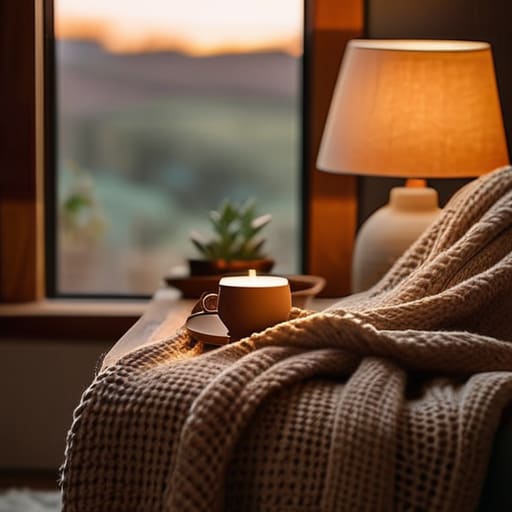
At the end of the day, creating a cozy sanctuary isn’t about buying every high-tech gadget on the market or following a strict interior design manual. It’s about the small, intentional shifts—like automating your thermostat so the house is perfectly warm when you walk in, or swapping out those harsh overhead lights for warm, layered lighting that actually lets you relax. Whether you’re using smart bulbs to set the mood or tinkering with a little DIY decor to add some texture to your shelves, the goal is to create an environment that works for you, rather than you working for your home.
I know that sometimes the idea of “upgrading” your life can feel overwhelming, especially when you’re balancing a busy career and a million other responsibilities. But remember, you don’t have to do it all at once. Start with one small project—maybe it’s just setting up a lighting scene on your phone or repurposing an old chair—and see how it feels. Technology and DIY skills are just tools in your kit to help you build a life that feels more comfortable and more like you. You’ve got this, and I can’t wait to hear what you create!
Frequently Asked Questions
I love the idea of smart lighting, but is it worth the investment to set up a full ecosystem, or can I just stick to a few smart bulbs?
Honestly, don’t feel pressured to go all-in on a massive ecosystem right away. I used to think I needed every single smart gadget synced up to work, but starting small is actually much smarter. Grab a few smart bulbs for your main reading nook or living area first. It lets you test the waters without breaking the bank. Once you realize how much a simple lighting scene changes your mood, then you can decide if expanding is worth the extra effort.
Since I'm not exactly a pro at woodworking, are there any beginner-friendly DIY projects that can actually add some warmth to a room without feeling too "crafty"?
Don’t sweat the lack of woodworking experience! You don’t need a full workshop to make an impact. I love starting with simple “upcycling” projects—think taking a thrifted wooden tray and giving it a quick sanding and a warm walnut stain. It adds instant texture to a coffee table without looking like a middle school art project. Even just building a basic floating shelf from pre-cut timber can ground a room and add that much-needed organic feel.
How do I balance all this new tech with a cozy vibe so my living room doesn't end up looking like a cold, sterile data center?
That is such a valid concern—I’ve definitely seen living rooms turn into “tech showrooms” that feel more like a sterile lab than a place to unwind. The trick is to hide the “brain” and highlight the “soul.” Use cable management sleeves to tuck away those messy wires, and try to pick smart devices with organic textures or neutral colors. If you have a sleek smart speaker, nestle it among some greenery or a stack of books to soften that high-tech edge.