I’ll never forget the first time I walked into my old studio apartment after a particularly rainy Oregon winter. That heavy, damp scent of decay hit me before I even reached the kitchen, and I realized my “cute” vintage wooden bookshelf was becoming a breeding ground for spores. It was a total gut punch, especially since I had spent months upcycling that piece. I quickly learned that most of the advice online about how to prevent mold is either way too expensive or involves some ridiculous chemical cocktail that makes your house smell like a laboratory. Honestly, you don’t need a massive budget or a degree in biology to keep your space dry; you just need a systematic approach to moisture management.
In this post, I’m skipping the fluff and the overpriced “miracle” sprays to give you the real deal. I’m going to walk you through the practical, DIY-friendly steps I use to keep my own home and woodworking projects safe from dampness. We’ll look at everything from smart sensor tech to simple airflow tweaks, focusing on actionable, no-nonsense habits that actually work. Think of this as your personal toolkit for building a healthier, more resilient living environment.
Table of Contents
Controlling Indoor Humidity Levels With Modern Tech
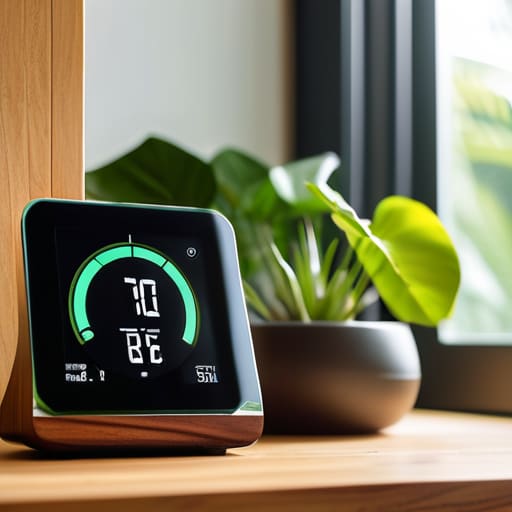
One of my favorite things about being a software engineer is how much we can rely on automation to handle the “invisible” chores. When it comes to controlling indoor humidity levels, you don’t have to spend your entire weekend checking hygrometers. I’m a big fan of integrating smart sensors into your home ecosystem. You can grab a relatively inexpensive Wi-Fi-enabled hygrometer that pings your phone the second things get too damp. It’s a total game-changer for catching issues before they turn into a full-blown headache.
If you see moisture pooling on your sills, you’re likely dealing with the frustration of preventing condensation on windows, which is often a huge red flag for stagnant air. This is where the dehumidifier benefits for home really shine. I recently set up a smart dehumidifier in my guest room that kicks in automatically whenever the sensor detects a spike in moisture. It’s much more efficient than manual tweaking, and honestly, it gives me such peace of mind knowing my space is being looked after by a little bit of code while I’m busy in my woodworking shop.
Recognizing the Early Signs of Mold Growth in Homes

Before we dive into the heavy-duty fixes, we need to talk about detection. I’ve learned through both my DIY projects and my time in tech that catching a bug early is much easier than debugging a massive system failure later. The same logic applies to your house. One of the most common signs of mold growth in homes isn’t actually seeing a fuzzy black patch on the wall; it’s often a subtle, musty odor that seems to hang in the air, especially in damp areas like basements or near laundry rooms. If you notice a scent that just feels off, don’t ignore it.
You should also keep a close eye on your windows. If you’re constantly seeing moisture buildup, you’re likely dealing with issues preventing condensation on windows, which is a huge red flag. Check your corners, look behind furniture, and pay extra attention to the seals around your shower. I always tell my clients that proactive observation is your best defense. It’s much more rewarding to catch a small damp spot now than to face the massive headache of full-scale remediation down the road.
My Go-To DIY Strategies for a Mold-Free Space
- Focus on airflow like it’s a system optimization—keep your fans running and move your furniture just a few inches away from the walls to let your home actually breathe.
- Don’t wait for a leak to become a disaster; grab a decent moisture meter (it’s a cheap little gadget) to check those “suspicious” spots behind the sink or under the tub before things get messy.
- Treat your bathroom like a post-deployment cleanup; always run the exhaust fan during your shower and for at least twenty minutes afterward to clear out that heavy steam.
- Keep an eye on your kitchen and laundry areas for any slow drips—I’ve learned the hard way that a tiny, persistent leak is basically an open invitation for mold to set up shop.
- Clean your gutters and check your home’s exterior regularly, because keeping water flowing away from your foundation is the ultimate preventative patch for your house’s structural health.
Quick Wins for a Mold-Free Home
Think of humidity control as a background process for your house—investing in a smart hygrometer is a low-effort way to get real-time data so you can stay ahead of the moisture buildup before it becomes a real problem.
Don’t wait for a visible stain to take action; treat those subtle “off” smells or slight changes in air quality as early error logs that tell you something in your home’s environment needs a quick DIY fix.
Prevention is way cheaper and less stressful than remediation, so make it a habit to combine simple tech tools with basic airflow tweaks to keep your living space healthy and dry.
## A Proactive Mindset
“I like to think of mold prevention just like debugging code: you don’t wait for the whole system to crash to start looking for errors; you monitor the environment, catch the small glitches early, and stay ahead of the problem before it becomes a headache.”
Sarah Mitchell
Keeping Your Space Healthy and Happy
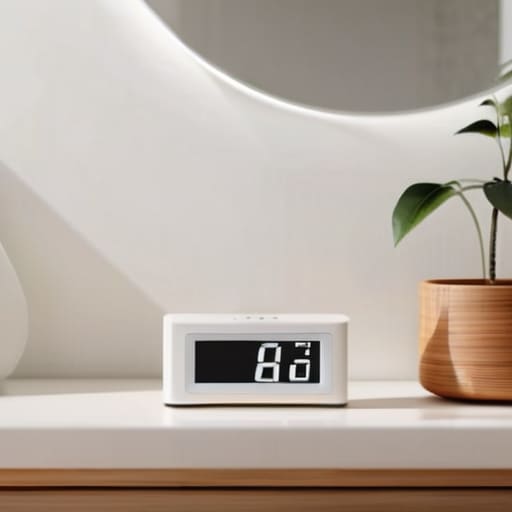
At the end of the day, preventing mold isn’t about being perfect; it’s about being proactive. We’ve covered how leveraging smart tech like hygrometers can take the guesswork out of your humidity levels, and why keeping a sharp eye out for those early, subtle signs of moisture is your best line of defense. Whether you’re tweaking your HVAC settings or just making sure your bathroom fan is actually doing its job, these small, intentional adjustments act like a preventative maintenance script for your home. Just like debugging a piece of code, catching these issues early saves you from a massive, expensive headache down the road.
I know that managing a home can sometimes feel like a never-ending list of chores, but try to look at it through a different lens. Think of these habits as a way of investing in your own well-being and creating a sanctuary where you can truly relax. Every little DIY fix or tech upgrade you implement is a step toward a more stable, healthy environment. You’ve got the tools and the knowledge to take control of your space, so don’t be afraid to dive in. I promise that once you build these rhythms, you’ll feel so much more confident and empowered in your home.
Frequently Asked Questions
Are there any specific smart home sensors I should look for to track humidity in real-time?
Honestly, I’m a huge fan of using smart sensors for this—it takes the guesswork out of it. I’d look for something like a Govee or an Eve Room sensor. They’re super affordable and sync right to your phone. If you’re already deep in the ecosystem, an Ecobee or even an Amazon sensor works great. Getting real-time alerts when your humidity spikes is a total game-changer for catching issues before they become expensive problems.
If I find a small patch of mold, is it a quick DIY fix or should I call in a professional right away?
It really depends on the scale. If it’s just a tiny patch on a bathroom tile or a small spot on a windowsill, you can usually tackle it yourself with some vinegar or a specialized cleaner—think of it like a quick debugging session for your home. But, if the mold covers a large area (more than about 10 square feet) or if you suspect it’s hidden behind your drywall, stop right there. That’s when you call in the pros to avoid a much bigger headache later.
Can using certain types of air purifiers actually help stop mold spores from spreading?
That’s a great question, and it’s one I get asked a lot when I’m talking about home “upgrades.” The short answer is yes, but with a caveat. You’ll want an air purifier equipped with a HEPA filter to actually trap those tiny spores. While it won’t kill the mold source—you still have to fix that leaky pipe!—it’s a fantastic way to scrub the air and stop spores from hitchhiking through your house.