Have you ever sat there, staring at a spinning loading icon while your coffee goes cold, wondering why your computer feels like it’s running through knee-deep mud? It’s incredibly frustrating, especially when you’re in the middle of a flow state—whether you’re debugging code or just researching your next DIY woodworking project. Most “experts” will tell you that you need to buy a brand-new, top-of-the-line machine just to get decent performance, but honestly, that is such a waste of money. I’ve spent years in Silicon Valley seeing exactly how much bloat accumulates in our digital lives, and I promise you, learning how to speed up your browser doesn’t require a massive hardware upgrade or a degree in computer science.
I’m not here to give you a list of flashy, useless tools that just end up slowing you down even more. Instead, I’m going to share the practical, no-nonsense tweaks I use every single day to keep my digital workspace lean and mean. We’re going to dive into the real stuff—from managing those resource-hogging extensions to cleaning up the digital clutter you didn’t even know was there. My goal is to help you reclaim your time so you can get back to doing what you actually love.
Table of Contents
- Quick Wins to Clear Browser Cache and Cookies
- How to Disable Unnecessary Extensions for Instant Relief
- Beyond the Basics: A Few More Pro Moves to Boost Your Speed
- The Bottom Line: Making Your Browser Work for You
- ## A Little Digital Housekeeping Goes a Long Way
- Making Your Digital Space Work for You
- Frequently Asked Questions
Quick Wins to Clear Browser Cache and Cookies

Sometimes, the simplest fix is the one we overlook because we assume it’s too basic. Think of your browser like one of my old woodworking projects; if you let sawdust and old glue build up in the joints, nothing moves smoothly anymore. That’s exactly what happens when your temporary files pile up. To get things moving again, you should periodically clear browser cache and cookies. This wipes away those old, potentially corrupted files that might be slowing down your page loads and causing weird glitches.
While you’re under the hood, take a quick look at your add-ons. It’s easy to fall into the trap of installing a new extension for every little thing, but each one eats away at your system resources. If you want to optimize web browsing speed, go through your list and disable unnecessary extensions that you haven’t touched in months. It feels a little bit like decluttering a messy workbench—once you get rid of the junk you don’t use, you actually have more room to focus on the work that matters.
How to Disable Unnecessary Extensions for Instant Relief

If you’ve ever felt like your computer is dragging its feet, I’d bet a good portion of the blame lies with your browser extensions. We all love a good productivity tool or a handy coupon finder, but every single one of them acts like a tiny, invisible passenger sitting in your computer’s memory. When you pile on too many, they start competing for resources, which is a surefire way to reduce memory usage in chrome and other browsers. Think of it like my woodworking shop—if I try to use every single chisel and plane at the same time, I’m just going to get in my own way.
To get that instant relief, I recommend taking a hard look at your extension list. Go through them one by one and disable unnecessary extensions that you haven’t used in the last month. You don’t necessarily have to delete them—you can just toggle them off to see if your performance improves. This is one of the most effective ways to optimize web browsing speed without needing to dive into complex technical settings. It’s all about trimming the fat so your browser can actually do what it was built to do: fly.
Beyond the Basics: A Few More Pro Moves to Boost Your Speed
- Open up your settings and hunt down the “Hardware Acceleration” toggle. Usually, it’s better to have it turned on so your browser can offload some of the heavy lifting to your computer’s graphics card, making everything from scrolling to video playback feel way smoother.
- Take a look at your open tabs—I know, I know, we all have that “one tab for every project” habit. If you’re running low on RAM, try using a “Tab Suspender” extension or just get into the habit of bookmarking things instead of leaving them open. It’s a huge weight off your system.
- Keep your browser updated! It sounds like one of those “tech support” clichés, but those tiny background updates often include critical performance patches and security fixes that keep your engine running lean and mean.
- Check your startup settings. If your browser is set to “Continue where you left off,” it’s trying to reload every single heavy site from your last session the moment you open it. Switching it to open a fresh New Tab page can make that initial launch feel much snappier.
- If things are still feeling sluggish despite all your cleaning, it might be time for a “soft reset.” You don’t have to delete everything, but resetting your settings to their original defaults can clear out any deep-seated configuration issues that are dragging you down.
The Bottom Line: Making Your Browser Work for You
Don’t let digital clutter slow you down; a quick session clearing out your cache and cookies can act like a much-needed reset for your browsing speed.
Be ruthless with your extensions—if you haven’t used a plugin in the last month, disable it to free up the memory your computer needs to actually run smoothly.
Think of your browser as a tool in your workshop; keep it clean, keep it lean, and it’ll stay reliable whenever you need to dive into a new project.
## A Little Digital Housekeeping Goes a Long Way
“Think of your browser like one of my upcycled coffee tables: if you let too much dust and old clutter pile up in the corners, you lose the beauty of the craftsmanship. Clearing out the digital junk isn’t just about speed; it’s about reclaiming your headspace so you can actually enjoy the tools you use every day.”
Sarah Mitchell
Making Your Digital Space Work for You
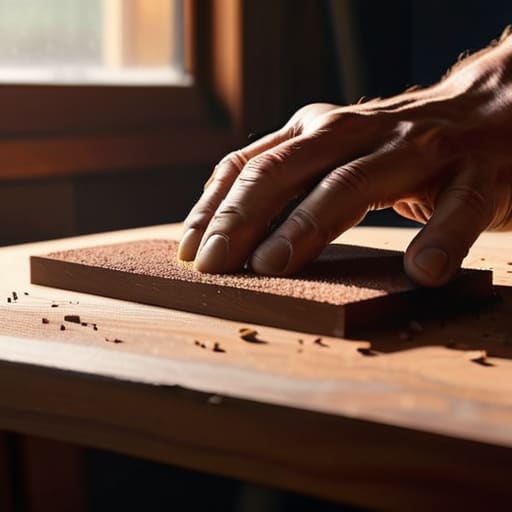
At the end of the day, speeding up your browser isn’t about chasing some impossible level of perfection; it’s about removing the little digital frictions that eat away at your productivity. We’ve walked through how a quick cache purge can clear out the cobwebs, and how auditing those pesky extensions can immediately lighten the load on your system. By taking just a few minutes to declutter your settings, you’re essentially doing a bit of “digital woodworking”—sanding down the rough edges so everything runs smoothly. It’s these small, intentional maintenance steps that prevent your tech from feeling like a chore and keep it feeling like a tool.
I know that tech hurdles can sometimes feel overwhelming, especially when you just want to get things done. But remember, whether you’re debugging a complex piece of code or just trying to research a new DIY furniture project, your tools should support you, not hold you back. Don’t be afraid to keep experimenting and tweaking your setup until it feels exactly right for your workflow. You have the power to master the tools you use every day, and I promise that every small improvement you make today will pay off in more seamless, focused, and enjoyable sessions tomorrow. Happy browsing!
Frequently Asked Questions
Will clearing my cache and cookies log me out of all my favorite websites?
That’s a great question, and honestly, it’s the one thing that makes most people hesitate before hitting that “clear” button. The short answer is: yes, it likely will. Since cookies are what tell a website, “Hey, it’s me, I’m already logged in,” clearing them wipes that memory clean. You’ll need to re-enter your passwords, so just make sure you’ve got them saved in a manager before you dive in!
I have a lot of essential extensions for work—is there a way to manage them without deleting them entirely?
I totally get it—deleting your work tools feels like throwing away your toolbox when you’re mid-project. The good news is you don’t have to! Most browsers let you simply “toggle off” extensions in your settings. Think of it like putting your woodworking tools back in the drawer instead of tossing them in the trash; they’re still there when you need them, but they aren’t cluttering up your workspace and slowing you down.
Does using a different web browser actually make a noticeable difference in speed, or is it just hype?
Honestly, it’s definitely not just hype. While the underlying “engines” might feel similar, different browsers handle memory and tabs in very different ways. If you’re constantly hitting a wall with Chrome eating up all your RAM, switching to something like Firefox or even a lightweight browser like Brave can feel like a breath of fresh air. It’s like switching from an old, heavy workbench to a streamlined one—sometimes you just need a different tool for the job.