I still remember my first studio apartment in San Francisco; it was so tiny that if I breathed too deeply, I felt like I was knocking a stack of books off my bedside table. I spent most of my early twenties feeling like I was constantly tripping over my own life, convinced that I just needed to buy one of those expensive, aesthetic modular shelving systems I saw on Instagram. But let me tell you, most of those “Pinterest-perfect” solutions are a total scam for anyone living in a real, cramped apartment. True small space organization isn’t about buying more stuff to hold your stuff—it’s about being ruthlessly strategic with the square footage you actually have.
I’m not here to sell you on overpriced organizers or complicated lifestyle hacks that take three hours to maintain. Instead, I want to share the practical, no-nonsense systems I’ve built using a mix of smart tech and simple DIY projects I’ve tackled in my workshop. We’re going to focus on actionable, low-cost methods that actually work in the real world. By the end of this, you’ll have a clear roadmap to turn your cluttered corner into a space that actually feels like home.
Table of Contents
Vertical Storage Solutions to Reclaim Your Floor Space
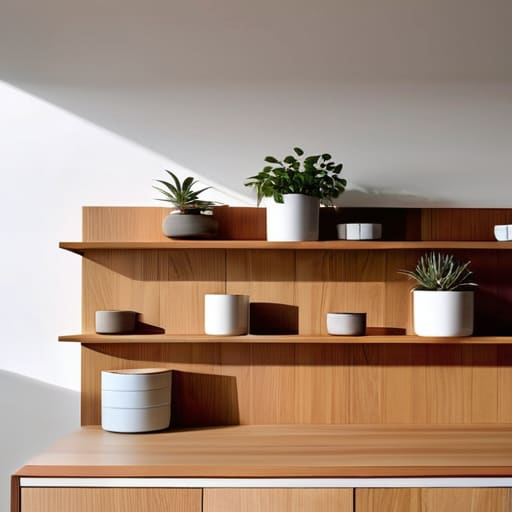
When you’re living in a tight footprint, the biggest mistake I see people make is only thinking about the floor. We tend to treat the floor like it’s the only real estate we own, but in a studio or a small one-bedroom, your walls are actually your best friends. I’m a huge fan of using vertical storage solutions to draw the eye upward and keep your walking paths clear. Think about floating shelves in the kitchen for those spices you use every day, or even installing a pegboard in your workspace. It’s a total game-changer for decluttering tiny apartments without feeling like you’re living in a warehouse.
If you want to get even more strategic, look at the “dead zones” above door frames or high up near the ceiling. I once used a small corner of my apartment to install some custom shelving for my old woodworking tools, and it freed up so much much-needed desk space. By treating your walls as an extension of your floor, you can keep your essentials within reach while maintaining that clean, airy feeling we all crave.
Clever Under Bed Storage Hacks for Hidden Efficiency
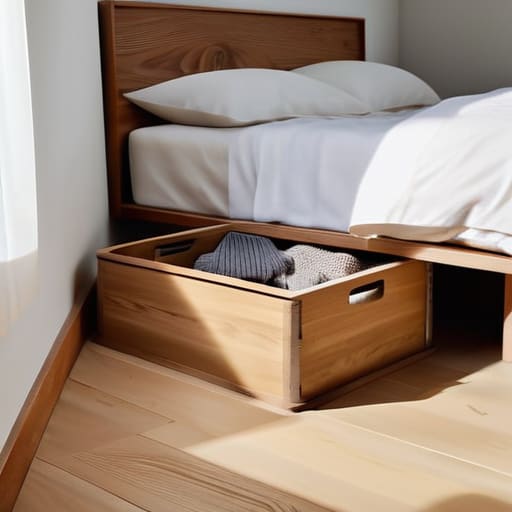
If you’re like me and live in a place where every square inch feels like it’s fighting for its life, you know that the space under your bed is basically a gold mine waiting to be tapped. Instead of letting it become a graveyard for random dust bunnies, I love using it as a secret compartment for things you don’t need to see every day. One of my favorite under bed storage hacks is investing in low-profile, rolling bins. I usually use these for out-of-season clothes or extra linens, which keeps my closet from feeling like an overstuffed Tetris game.
If your bed frame is a bit higher, you can get even more creative with multi-functional furniture ideas. I once spent a weekend upcycling some old wooden crates to create custom, sliding drawers that fit perfectly under my mattress. It was a fun little weekend project that felt much more rewarding than just buying a plastic bin from a big-box store. The goal isn’t just to hide the mess, but to create a seamless system that makes your daily routine feel a lot less chaotic.
My Go-To Strategies for Maximizing Every Square Inch
- Stop thinking about floor space and start looking at your walls. I’m a huge fan of installing floating shelves or even a pegboard system in the kitchen or office; it gets your tools and decor off the counter and into your line of sight without taking up an inch of walking room.
- Invest in some smart, modular storage bins that actually stack well. I’ve learned the hard way that mismatched containers are a nightmare, so I always look for uniform, stackable sets that turn a messy closet into a neat, organized system.
- Don’t underestimate the power of a multi-functional piece of furniture. If you’re looking to buy something new, prioritize an ottoman with built-in storage or a desk that can fold up against the wall when you aren’t working—it’s all about making one object do two jobs.
- Use tech to declutter your digital and physical life. I use a simple label maker to keep my storage bins organized, and I’ve even started using smart home sensors to remind me when my “clutter zones” are getting out of hand—it sounds a bit geeky, but it really works.
- Embrace the “one in, one out” rule to prevent creeping clutter. Every time I bring a new piece of tech or a new DIY project supply into my workspace, I make sure to donate or recycle something old to keep the balance. It’s the only way to keep a small space feeling breathable.
Quick Wins for Your Small Space
Stop thinking horizontally; when you run out of floor space, start looking up at your walls to find hidden storage potential.
Don’t let “dead zones” like the space under your bed go to waste—use it as a secret warehouse for things you don’t need every single day.
Mix your DIY spirit with smart tech, like using labeled bins or even simple smart lighting, to make sure your new organization system actually stays functional.
The Mindset of Small Space Living
“Living in a small space isn’t about deprivation; it’s about intentionality. When you combine a bit of DIY ingenuity with the right tech to manage your workflow, you realize that square footage matters way less than how smart you’re using the space you’ve got.”
Sarah Mitchell
Making It Your Own
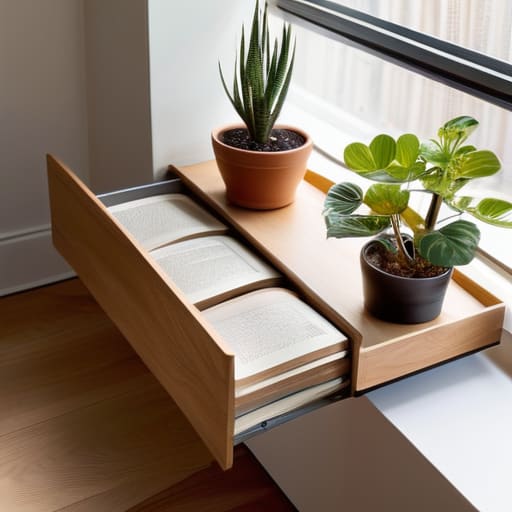
At the end of the day, mastering a small space isn’t about having a massive square footage; it’s about being intentional with the inches you actually have. We’ve looked at how to reclaim your walls with vertical storage and how to turn that awkward gap under your bed into a hidden efficiency powerhouse. Whether you’re using smart tech to automate your lighting or a simple DIY shelf you built yourself on a weekend, the goal is to reduce the friction in your daily routine. When you stop fighting against your environment and start optimizing your layout, your home finally starts feeling like a sanctuary instead of a storage unit.
I know that staring at a cluttered corner or a cramped desk can feel overwhelming, especially when you’re trying to balance a busy career and a personal life. But remember, organization is a skill, just like coding or woodworking—it takes practice, and you won’t get it perfect on the first try. Don’t feel like you have to overhaul your entire apartment in a single afternoon. Just pick one small corner, apply one of these hacks, and celebrate that small win. You have the tools and the capability to build a space that truly supports your life, so grab your notebook, pick a project, and just start building.
Frequently Asked Questions
How can I integrate smart home tech to help manage my space without making it feel cluttered with wires and gadgets?
The trick is to go wireless or hide the “brains” behind the scenes. I’m a huge fan of smart plugs and battery-powered sensors—they do the heavy lifting without needing a dedicated outlet or a tangled mess of cords. For things like smart hubs, try tucking them inside a repurposed wooden box or behind a piece of furniture I’ve upcycled. If you can’t see the tech, you get all the convenience without the visual clutter.
Are there any specific DIY woodworking projects you'd recommend for someone who wants to build custom shelving but is short on tools?
If you’re short on tools, don’t let that stop you! I always suggest starting with “floating” shelves using pre-cut wood from a local hardware store. You really only need a drill, some sturdy brackets, and a level. It’s a perfect way to practice your measurements without needing a full workshop. Honestly, seeing something you built yourself hold your favorite tech gadgets or books is such a rush—it makes the small space feel truly yours.
How do I decide which items are actually worth keeping versus what I should donate to keep my small apartment from feeling overwhelmed?
Honestly, I struggle with this too—especially when it comes to old tech or half-finished DIY projects. My rule of thumb? If you haven’t touched it in six months and it doesn’t serve a specific, immediate purpose, it’s gotta go. Ask yourself: “Does this add value to my daily routine, or am I just holding onto a memory?” If it’s just clutter, donate it. Clearing the physical space is the first step to clearing your mental space.