I was elbow-deep in sawdust last weekend, trying to refinish an old mid-century dresser I found at a garage sale, when I realized my workspace was a complete disaster zone. It wasn’t just the wood shavings; it was the layer of grime on the windows and the dust settling on every single surface that made me realize my “quick tidy” wasn’t cutting it. We’ve all been there—staring at a room that looks fine at a glance, but feels heavy and chaotic underneath the surface. Most people think you need a dozen specialized, overpriced chemical sprays to fix this, but honestly, a generic, overwhelming deep cleaning checklist from a lifestyle magazine usually just leads to burnout rather than a clean home.
I’m not here to sell you on some unrealistic “Pinterest-perfect” lifestyle that requires ten hours of scrubbing every Sunday. Instead, I want to give you a practical, logic-driven system that actually works for busy people who have better things to do with their time. I’ve broken down a realistic deep cleaning checklist based on how I manage my own space between coding sprints and woodworking projects. My goal is to help you reset your environment efficiently, so you can stop managing the mess and start actually enjoying your home again.
Table of Contents
Curating Your Essential Deep Cleaning Supplies List

Before you dive into the actual scrubbing, you need to gather your tools. I’ve learned the hard way that nothing kills your momentum faster than being halfway through a task and realizing you’re out of microfiber cloths or degreaser. Instead of running to the store every twenty minutes, I like to treat this like a software deployment: you want all your dependencies ready before you hit “run.” I always start by putting together a solid deep cleaning supplies list that includes the basics—all-purpose cleaner, white vinegar, baking soda, and a good set of scrub brushes—alongside some heavy-duty stuff for those tougher grime spots.
I’m a big believer in working smarter, not harder, so I don’t believe in buying a specialized chemical for every single surface. Most of what I use can be found in a standard pantry, which keeps things eco-friendly and budget-conscious. If you’re feeling overwhelmed, try organizing your supplies into a portable caddy. This makes following a room by room cleaning guide so much smoother because you can just grab your kit and move from the kitchen to the bathroom without any friction.
A Room by Room Cleaning Guide for Maximum Efficiency
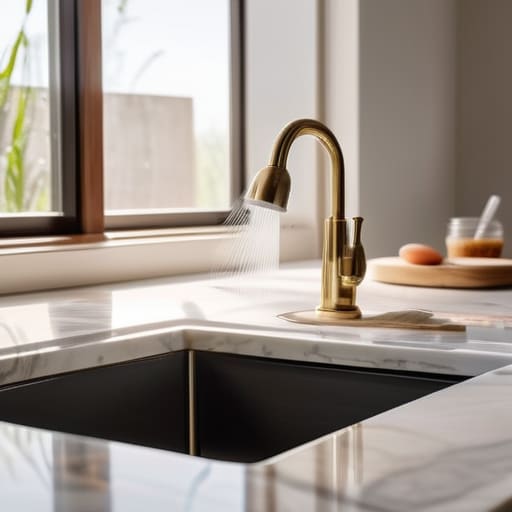
To keep things from feeling overwhelming, I always recommend tackling your space using a structured room by room cleaning guide. Instead of trying to scrub the whole house in one marathon session—which is a recipe for burnout—focus on one zone at a time. Start with the kitchen, since it’s usually the highest-traffic area. Get into those hard-to-reach spots like the top of the fridge or behind the toaster. Once that’s done, you’ll feel a huge sense of momentum.
Next, move into the living areas and bedrooms. This is where my favorite decluttering and cleaning tips really come into play. Before you even grab a microfiber cloth, clear off the surfaces. It’s much easier to dust a shelf when you aren’t moving ten different knick-knacks out of the way first. I like to work from the top down; start with ceiling fans and light fixtures, then work your way down to the baseboards. If you follow this flow, you won’t end up cleaning the same floor twice because of dust falling from above. It’s all about working smarter, not harder.
Pro-Tips to Keep Your Momentum High (and Your Stress Low)
- Work from the top down. It sounds simple, but I’ve learned the hard way that if you vacuum the floors before dusting the ceiling fans, you’re just doing the work twice. Start high and let the debris fall to the floor so you can catch it all in one final sweep.
- Batch your tasks like a software sprint. Instead of jumping randomly between rooms, try grouping similar tasks together—like doing all your window washing at once or all your scrubbing. It gets your brain into a “flow state” and saves so much mental energy.
- Don’t let perfectionism stall your progress. There will always be a corner you missed or a smudge you didn’t catch, but a completed checklist is much more rewarding than an unfinished “perfect” one. Just aim for “significantly better” and keep moving.
- Use the “One-In, One-Out” rule while you clean. If you find a cluttered drawer or a shelf of old gadgets while deep cleaning, don’t just organize the mess—purge it. It’s much easier to maintain a clean space if you aren’t constantly fighting new clutter.
- Set a timer for “micro-bursts.” If the whole list feels overwhelming, tell yourself you’ll only work for 25 minutes. Usually, once I get those initial minutes of momentum going, I find I actually want to keep pushing through until the job is done.
Final Thoughts: Making Deep Cleaning Work for You
Don’t feel like you have to tackle the whole house in one weekend; breaking it down into small, manageable zones prevents burnout and keeps you consistent.
Focus on the “high-impact” areas first—like surfaces and floors—to get that immediate sense of accomplishment that fuels your momentum.
Treat your cleaning routine like a DIY project: gather your tools, prep your space, and enjoy the process of transforming your environment.
The Mindset Behind the Mess
“Think of a deep cleaning checklist not as another chore on your to-do list, but as a way to debug your environment—once you clear out the clutter and reset your space, you’ve essentially optimized your home for a much better version of yourself.”
Sarah Mitchell
Bringing It All Home

We’ve covered a lot of ground today, from gathering the right supplies to tackling your space room by room with a systematic approach. I know that looking at a massive deep cleaning checklist can feel a bit like staring at a daunting codebase or a half-finished woodworking project—it’s easy to feel overwhelmed before you even pick up a sponge. But remember, the goal isn’t perfection; it’s about building a sustainable system that works for your lifestyle. By breaking the chaos down into manageable, bite-sized tasks, you turn a mountain of housework into a series of achievable wins that keep your momentum going.
At the end of the day, a clean home is more than just a visual win; it’s about creating a sanctuary where you can actually think, create, and recharge. Whether you’re debugging a complex script or upcycling an old dresser, your environment plays a huge role in your mental clarity and productivity. Don’t feel like you have to do everything in a single weekend. Just pick one area, start small, and enjoy the process of reclaiming your space. You’ve got the tools, you’ve got the plan, and I know you’re going to crush this project!
Frequently Asked Questions
How do I tackle a deep clean without feeling completely overwhelmed by the sheer size of the task?
Honestly, I’ve been there—staring at a messy room and feeling like I needed a software patch just to function. My best advice? Break it down into tiny, manageable sprints. Don’t try to tackle the whole house in one afternoon. Pick one zone, set a timer for twenty minutes, and just focus on that. It’s like debugging code: you don’t fix the whole program at once; you solve one error at a time.
Are there any specific eco-friendly or DIY cleaning solutions I can make myself to save money and reduce chemicals?
Honestly, I’m a huge fan of this approach. Between my woodworking projects and my tech life, I’ve learned that sometimes the simplest, most “low-tech” solutions are actually the most effective. You can skip the expensive, chemical-heavy sprays and just mix white vinegar, water, and a few drops of lemon essential oil for a killer all-purpose cleaner. It’s cheap, eco-friendly, and works wonders on most surfaces without leaving a toxic residue behind!
How often should I actually be doing a deep clean versus just my regular weekly maintenance?
Honestly, I like to think of weekly maintenance as my “daily stand-up”—it keeps things running smoothly so nothing breaks. But a true deep clean? That’s my quarterly sprint. I aim for a deep reset every three months to tackle the stuff that slips through the cracks, like baseboards or behind the fridge. If you’re feeling overwhelmed, don’t sweat it; just pick one “deep” task a week and you’ll stay ahead of the curve.