I was sitting in my living room last Tuesday, trying to finish up a coding module, when I realized I was squinting so hard my head actually started to throb. I had these beautiful, designer pendant lights hanging from the ceiling, but they were doing absolutely nothing for my productivity; in fact, they were creating these harsh, awkward shadows that made the whole room feel clinical and cold. It’s one of those frustrating realizations that you can spend a fortune on high-end fixtures and still fail miserably at implementing basic home lighting tips that actually work for your lifestyle.
Look, I’m not here to sell you on some expensive, professional interior designer makeover that requires a contractor and a massive budget. My goal is to give you the straight-up, practical truth about how to layer light to make your space feel intentional, whether you’re working from a corner desk or just trying to unwind after a long day in the tech trenches. I’ve spent way too many hours tinkering with smart bulbs and DIY setups to give you anything less than actionable, no-nonsense advice that you can implement tonight.
Table of Contents
- Mastering the Art of Layering Ambient and Task Lighting
- Choosing the Right Vibe With Warm vs Cool Light Temperatures
- 5 Low-Effort, High-Impact Lighting Hacks for Your Space
- Quick Wins for Your Home Lighting Setup
- Lighting is More Than Just Function
- Bringing It All Together
- Frequently Asked Questions
Mastering the Art of Layering Ambient and Task Lighting
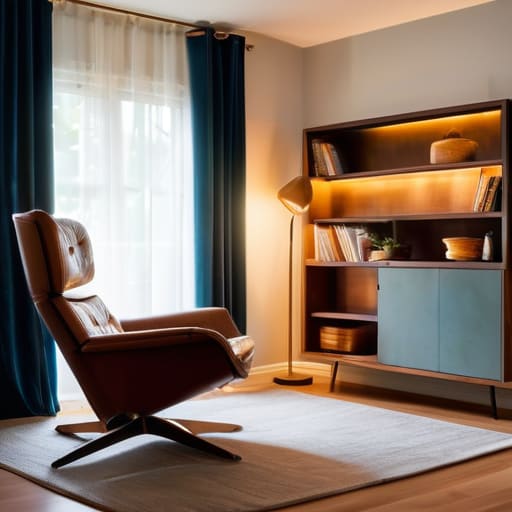
If you take nothing else away from this post, remember this: one single overhead light is the enemy of a cozy home. To really nail the vibe, you need to get comfortable with layering ambient and task lighting. Think of it like building a software stack; you need a solid foundation of soft, overall light to fill the room, but you also need specific “modules” for certain activities. I love using floor lamps for that general glow, but then adding a dedicated desk lamp or a reading light right where the action happens. It’s all about creating depth so your room doesn’t feel flat or clinical.
When you’re picking out your gear, don’t overlook the importance of warm vs cool light temperatures. I’ve learned the hard way that using “daylight” bulbs in a living room can make your space feel like a sterile hospital wing. Instead, aim for warmer tones to keep things inviting. If you’re feeling a bit more ambitious, installing a few dimmers is a total game-changer. The dimmer switch benefits are huge—it allows you to transition your home from a bright, productive workspace during the day to a mellow, relaxing sanctuary once the sun goes down.
Choosing the Right Vibe With Warm vs Cool Light Temperatures
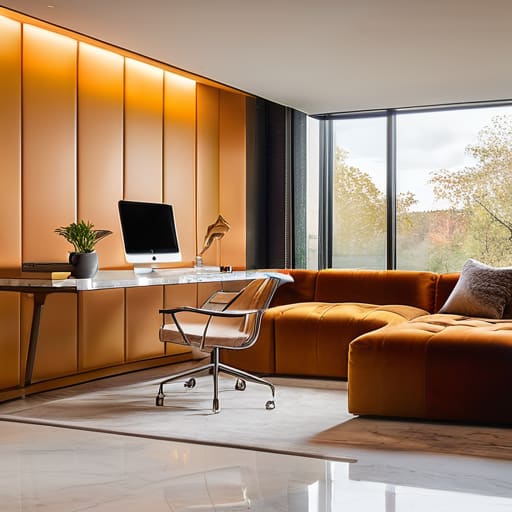
This is where things get a little more technical, but don’t worry—it’s actually pretty intuitive once you get the hang of it. When you’re shopping for bulbs, you’ll see numbers like 2700K or 5000K. This is essentially the shorthand for warm vs cool light temperatures. I like to think of it like a color palette for your room. Warm light (the lower numbers) has that cozy, amber glow that makes a living room feel like a sanctuary. On the flip side, cool light (the higher numbers) is crisp and blue-toned, which is fantastic for keeping you focused in a home office or a kitchen where you’re doing a lot of prep work.
The real trick is not to commit to just one “vibe” for the whole house. If you use cool light everywhere, your home might end up feeling a bit like a sterile hospital wing, which is definitely not the goal! Instead, try to match the temperature to the function of the room. I personally love using warmer tones in the bedroom to help my brain wind down, but I’ll switch to a brighter, cooler setup when I’m sitting down at my desk to grind out some code. It’s all about creating the right atmosphere for whatever you’re doing.
5 Low-Effort, High-Impact Lighting Hacks for Your Space
- Don’t sleep on smart bulbs. As someone who spends way too much time staring at screens, being able to dim the lights or shift the color temperature from my phone is a total game-changer for my evening wind-down routine.
- Use floor lamps to kill those harsh shadows. If you have a single overhead light, your room probably feels a bit clinical; adding a well-placed lamp in a corner instantly makes the space feel more intentional and cozy.
- Leverage natural light like a pro. It sounds simple, but keeping your window treatments light and airy during the day can make a tiny room feel twice as big without spending a dime.
- Add some accent lighting to your bookshelves. I love using small LED strips or puck lights to highlight my favorite tech books or DIY projects—it adds so much depth and makes your decor actually pop.
- Think about your light’s “pathway.” Instead of one big bright light, try placing smaller lights in a sequence along a hallway or near a reading nook to guide the eye and create a more natural flow through the house.
Quick Wins for Your Home Lighting Setup
Don’t rely on just one big overhead light; mix it up with floor lamps and desk lights to create depth and avoid that “interrogation room” feel.
Match your light temperature to the room’s purpose—keep the living room cozy with warm tones, but grab some cooler light if you’re setting up a dedicated workspace.
Think about functionality first by placing task lighting exactly where you’ll be working or reading, so you aren’t straining your eyes just to get things done.
Lighting is More Than Just Function
“Think of lighting like code: if you only have one giant function running at once, your whole system crashes. You need different layers working together to create something that actually feels seamless and intuitive.”
Sarah Mitchell
Bringing It All Together
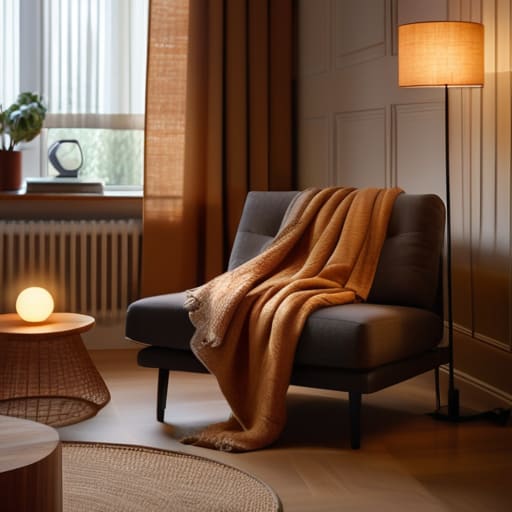
At the end of the day, transforming your home through lighting isn’t about buying the most expensive designer fixtures or hiring a professional crew. It’s about understanding how to layer your light, choosing the right color temperature for the mood you want to set, and making sure your functional spaces actually work for you. Whether you’re adding a smart bulb to your reading nook or rearranging your floor lamps to create a better flow, these small, intentional shifts make a massive difference in how you feel in your own space. Remember, it’s all about finding that sweet spot between functionality and atmosphere.
I know that diving into home improvement—even something as simple as lighting—can feel a little overwhelming at first. But just like when I’m tackling a new woodworking project or learning a new coding language, the best way to start is simply by doing. Don’t feel like you have to overhaul your entire house in a single weekend. Start with one room, experiment with a few different setups, and see what clicks for you. You have the power to curate your environment to better reflect who you are and how you want to live. So, grab your notebook, get creative, and have some fun with it!
Frequently Asked Questions
How do I know which smart bulbs are actually worth the money versus just being a gimmick?
I totally get the skepticism—there’s a lot of junk out there. To avoid the gimmicks, look for bulbs that support Matter or Zigbee; these ensure they actually play nice with your existing smart home setup without needing five different hubs. Also, check the dimming capabilities. If a bulb flickers when you try to set a mood, it’s a pass. Stick to brands with reliable app ecosystems so you aren’t stuck fighting your own lights.
Is it possible to automate my lighting without having to rewire my entire house?
Oh, absolutely! You definitely don’t need to rip out your walls and call an electrician to get smart. I’ve done this myself with a few old lamps. The easiest way is to grab some smart bulbs—you just screw them in and connect them to your Wi-Fi. If you want to keep your existing bulbs, smart plugs are a total lifesaver for lamps. It’s quick, budget-friendly, and honestly, a little bit of a rush once it’s all automated.
I have a really small, dark apartment—are there specific lighting hacks to make it feel less cramped?
I’ve been in that exact spot—living in a tiny studio where everything felt a bit claustrophobic once the sun went down. My go-to trick? Stop relying on that single, depressing overhead light. Instead, use floor lamps to draw the eye upward and add “perceived” space. I also love using LED strips behind my desk or TV; that subtle glow creates depth, making the walls feel like they’re receding rather than closing in on you.