I was sitting at my workbench last weekend, sanding down an old mid-century dresser, when I caught myself staring at my phone and grimacing at my latest energy statement. It’s that same sinking feeling we all get: that moment you realize you’re essentially throwing money into a void every single month. I’m so tired of seeing those glossy, over-complicated guides that suggest you need to drop thousands on a full-scale smart home overhaul just to see a difference. Honestly, if you’re looking for how to save on utility bills, you don’t need a massive budget or a degree in electrical engineering; you just need to stop letting your home leak efficiency through the cracks.
I’m not here to sell you on expensive gadgets that promise the world but deliver nothing. Instead, I want to share the practical, low-cost tweaks I’ve learned through my own DIY projects and a bit of tech-savvy trial and error. We’re going to dive into some real-world strategies—from simple hardware fixes to smart automation—that actually move the needle on your monthly costs. My goal is to give you a no-nonsense toolkit so you can take control of your home and keep more of your hard-earned paycheck.
Table of Contents
Smart Thermostat Benefits for Effortless Energy Savings
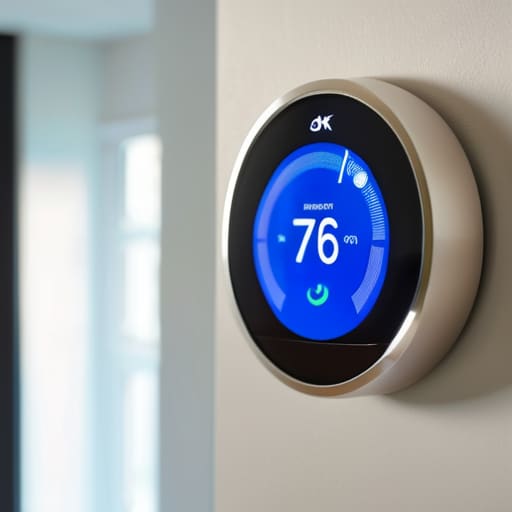
If you’re like me and tend to forget to adjust the AC when you head out for the day, a smart thermostat is going to be your new best friend. One of the biggest smart thermostat benefits is the ability to automate your environment based on your actual habits. Instead of constantly fiddling with the dial, these devices learn your schedule and automatically dial back the intensity when you’re at work or asleep. It’s one of those seamless energy efficient home improvements that pays for itself by eliminating that wasted energy from heating or cooling an empty house.
I remember when I first installed one in my place; it felt like a small win for my sanity and my wallet. Most of these gadgets sync directly with your phone, so you can tweak the temperature from your couch or even while you’re stuck in traffic. By fine-tuning these small adjustments, you’re doing more than just being “techy”—you’re actively reducing monthly electricity consumption without having to live in a freezer or a sauna. It’s all about working smarter, not harder, to keep your living space comfortable.
Reducing Monthly Electricity Consumption Through Smarter Habits
Honestly, even with all the fancy gadgets in the world, nothing beats the power of a few intentional habit shifts. I used to be the person who left every light on in the house, but once I started tracking my usage, I realized how much those little things add up. One of my favorite ways of reducing monthly electricity consumption is simply being more mindful of “vampire power”—you know, those electronics that draw energy even when they’re turned off. I started using smart power strips to completely cut the connection to my home office setup when I’m not working, and it’s been a total game-changer for my monthly budget.
Beyond just flipping switches, I’ve found that a bit of seasonal awareness goes a long way. Instead of cranking the AC the second it gets warm, I try to use natural ventilation by opening windows during the cooler morning hours. It sounds simple, but pairing these small lifestyle tweaks with larger energy efficient home improvements, like switching to LED bulbs or being more strategic about when I run the dishwasher, creates a compounding effect. It’s not about living in the dark; it’s just about being smarter with the resources we already have.
Low-Tech Tweaks and DIY Fixes for a Leaner Budget
- Seal those sneaky air leaks. I’ve learned the hard way that even a tiny gap around a window or door can act like a vacuum for your expensive heated or cooled air. Grab some weatherstripping or even just some simple caulk from the hardware store—it’s a quick weekend project that pays for itself in no time.
- Upgrade to LED bulbs, one room at a time. If you’re still using those old incandescent bulbs, you’re basically paying a “tax” on your electricity bill every time you flip a switch. Swapping them out for LEDs is one of those low-effort, high-reward tech upgrades that makes a noticeable dent in your monthly usage.
- Get smart about your water heater settings. Most manufacturers set water heaters to a temperature that’s actually higher than you need. Dialing it back just a few degrees can save you a decent chunk of change without you even noticing the difference in your morning shower.
- Give your appliances some breathing room. It sounds silly, but if your fridge or dryer is shoved tight against a wall with zero airflow, they have to work twice as hard to stay efficient. Giving them a little space to “breathe” is a free way to keep your energy consumption from spiking.
- Use smart power strips to kill “vampire” energy. We all have those devices—game consoles, coffee makers, chargers—that pull power even when they’re turned off. Plugging your entertainment center or home office setup into a smart power strip can automatically cut power to those idle devices, stopping the slow bleed of money.
Quick Wins for Your Wallet
Invest in a smart thermostat to automate your heating and cooling, so you aren’t wasting money heating an empty house.
Small, daily shifts in how you use electricity—like being mindful of heavy appliances—can lead to surprisingly big drops in your monthly bill.
Combine tech upgrades with simple habit changes to create a sustainable, low-effort way to keep your utility costs under control.
## A Quick Reality Check on Savings
“Saving money on your utilities isn’t about living in the dark or freezing in your own living room; it’s about using a little bit of smart tech and some intentional habits to make sure you aren’t literally throwing your hard-earned cash out the window.”
Sarah Mitchell
Putting It All Into Practice
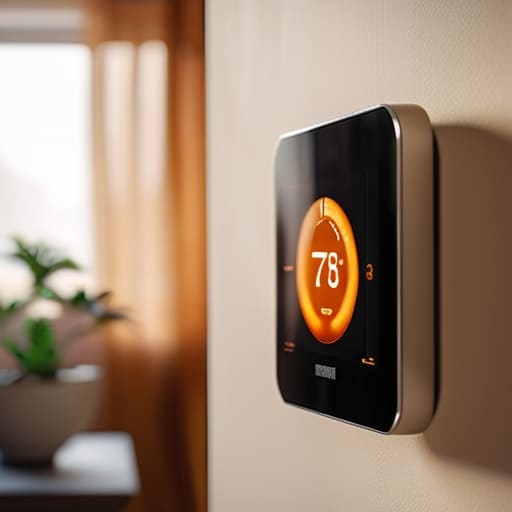
At the end of the day, cutting down your utility bills isn’t about making massive, sweeping changes overnight; it’s about the cumulative impact of small, intentional shifts. We’ve looked at how investing in a smart thermostat can take the guesswork out of climate control and how simply being more mindful of your daily electricity habits can keep those monthly statements from creeping up. Whether you’re automating your home with a bit of clever tech or just getting into the habit of unplugging devices when they aren’t in use, every little bit counts toward slashing your overhead and making your home run more efficiently.
I know that diving into home optimization can feel a bit overwhelming at first, but I promise you, it’s a skill worth learning. Think of it like learning a new programming language or starting a woodworking project—you don’t have to master it all in one afternoon. Just pick one thing from this list and try it out this week. Once you see those first few dollars stay in your pocket instead of going to the utility company, you’ll feel that sense of accomplishment that comes from taking control of your environment. You’ve got this, and I can’t wait to hear which hack worked best for you!
Frequently Asked Questions
Are there any specific smart home devices that are actually worth the investment, or is it mostly just marketing hype?
Honestly, I get the skepticism—there’s a lot of “gadget fatigue” out there. But from my experience, if a device automates a repetitive task that wastes energy, it’s worth it. Smart plugs are a huge win for killing “vampire power” in your home office, and smart leak detectors can save you thousands in water damage. If it doesn’t solve a specific problem or save you hands-on time, skip it. Stick to the essentials.
I'm not exactly a DIY expert—how much of this stuff can I realistically tackle myself without calling in a professional?
Honestly, I get it—the idea of messing with your home’s infrastructure can be pretty intimidating. If it involves wiring or opening up your main electrical panel, please, call a pro. But for things like installing a smart thermostat, swapping out old lightbulbs for LEDs, or even just weatherstripping a drafty door? You can totally handle those yourself! Start small with the low-stakes stuff to build your confidence. You’ve got this!
How long does it usually take to see a noticeable difference in my monthly statements after making these changes?
That’s the million-dollar question, isn’t it? Honestly, it depends on when your billing cycle resets, but you should start seeing a shift within one to two billing cycles. If you install a smart thermostat mid-month, you might see a partial dip immediately, but the real “aha!” moment usually hits after about 60 days. Just keep an eye on those trends—consistency is where the real savings hide!